
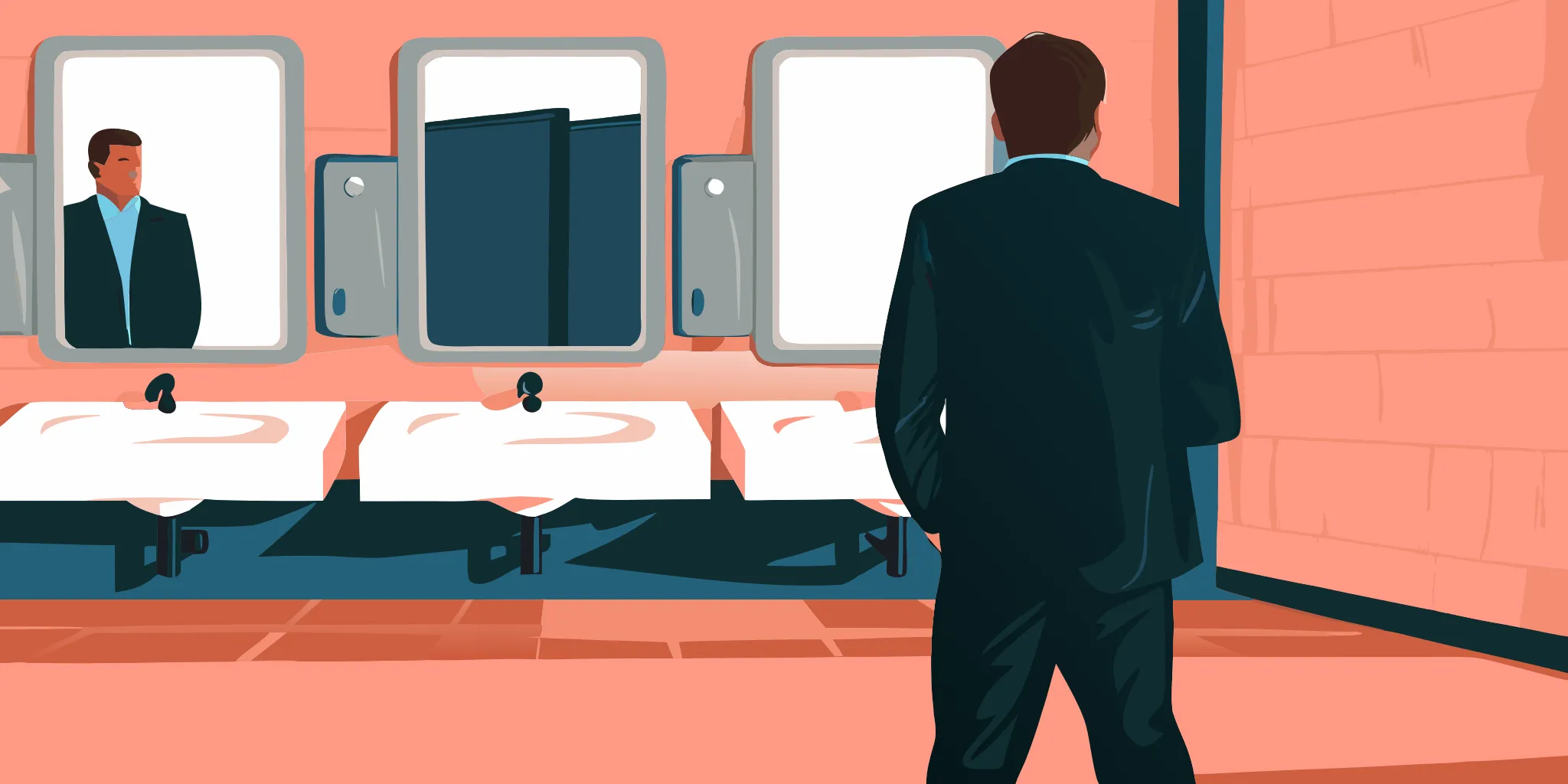
Let’s be honest, the idea of advertising in a restroom might initially raise an eyebrow. But when you look at the data, it’s hard to ignore. With recall rates that consistently outperform traditional billboards and engagement times measured in minutes, not seconds, this channel delivers serious results. It’s a form of place-based media that offers precision targeting based on the venue itself, ensuring you reach the right people in the right mindset. For any marketer asking how effective is restroom advertising, the proof is in the numbers. It’s a cost-efficient way to make a lasting impression and drive measurable action from a truly captive audience.
Key Takeaways
- Reach a genuinely captive audience: This channel places your message in a rare, distraction-free space. With a high dwell time of one to three minutes, your ad gets the focused attention needed for outstanding brand recall.
- Make the venue your targeting tool: The power of restroom advertising lies in strategic location selection. Choosing venues like gyms, upscale restaurants, or community centers allows you to connect with specific audiences based on their real-world interests and behaviors.
- Turn impressions into measurable action: A successful campaign requires more than just placement. By including a clear call to action like a QR code and integrating the ad into your larger omnichannel strategy, you can directly track engagement and prove its impact on your goals.
What is Restroom Advertising?
Let’s be honest, when you think of high-impact advertising, the restroom probably isn’t the first place that comes to mind. But it’s one of the most underrated and effective channels available. Restroom advertising is a form of place-based media that puts your brand message in front of people during a rare, private moment when they have nothing else to look at. It’s about reaching consumers in a high-dwell, low-clutter environment where your message can actually sink in. By placing ads in targeted venues like restaurants, gyms, and arenas, you connect with a captive audience that is relaxed and receptive. This isn’t about interrupting someone’s day; it’s about becoming a part of it in a surprisingly memorable way.
Common Ad Formats and Placements
So, what does restroom advertising actually look like? It’s more than just a flyer taped to a door. Professional campaigns use a variety of high-quality formats designed to fit seamlessly into the environment. You’ll typically see sleek, framed posters placed above sinks and urinals, vibrant decals on the back of stall doors, or even clings on the mirrors themselves. The key is strategic placement. Each location is chosen to guarantee visibility and capture attention during those moments of pause, whether someone is washing their hands or waiting in a stall. This ensures your ad is not just seen, but truly noticed.
The Advantage of a Captive Audience
The real magic of restroom advertising lies in its audience. Think about it: for one to three minutes, you have someone’s undivided attention. There are no phone screens to compete with, no conversations to interrupt, and no other ads vying for their focus. People are taking a personal “micro-break,” and in this private space, they are surprisingly open to receiving a message. This guaranteed visibility in a distraction-free zone leads to incredibly high message recall. As a partner in delivering targeted campaigns, we know that getting in front of a truly captive audience is the holy grail for any brand, and restrooms deliver that every single time.
How Technology is Upping the Game
While static ads are powerful, technology is taking restroom advertising to a whole new level. Digital screens are becoming more common, transforming a simple poster into a dynamic display. With digital place-based networks, you can run full-motion video, rotate multiple creatives, and even update your campaign in real time. Imagine promoting a lunch special at a nearby restaurant or changing your ad based on the time of day. This flexibility gives you incredible control over your messaging, allowing you to be more timely and relevant than ever before. It’s a smart way to keep your content fresh and capture attention with eye-catching visuals.
Why is Restroom Advertising So Effective?
Restroom advertising works so well because it taps into a unique moment in a person’s day. It’s not just about placing an ad in a new location; it’s about connecting with people when they are momentarily disconnected from the digital noise and physical chaos of the outside world. This creates a powerful combination of factors that make your message stick. By understanding the specific advantages of this environment, you can see why it consistently delivers results that other media channels struggle to match.
High Dwell Time and Better Message Recall
In the world of advertising, time is everything. While a highway billboard gets a glance and a digital ad gets a quick scroll, a restroom ad gets undivided attention. People spend, on average, one to three minutes in a restroom, a period known as dwell time. This isn’t just a fleeting impression; it’s enough time for someone to read, absorb, and actually consider your message. This extended exposure has a direct impact on memory. Some campaigns have shown that over 80% of people can remember a specific ad they saw in a restroom. That level of message recall is incredibly high and demonstrates the psychological impact of advertising in a space where the audience has nowhere else to look.
A Truly Distraction-Free Environment
Imagine your ad in a place with no pop-ups, no competing screens, and no one rushing past. That’s the power of a restroom. It’s one of the few truly private, distraction-free spaces a person enters during their day. When someone is looking at your ad above a sink or inside a stall, they aren’t also checking their phone, talking to a friend, or trying to cross the street. This guarantees high visibility and ensures your message is the main event. This kind of focused attention is exactly what place-based media is designed to capture, offering a direct line to consumers without the usual clutter. It’s a simple, uncluttered exchange between your brand and a potential customer.
Cutting Through the Ad Clutter
We’re all exposed to thousands of brand messages every day, and most of them simply fade into the background. Restroom advertising cuts through this noise because it’s unexpected. People don’t anticipate seeing a clever, engaging ad while washing their hands, which makes the experience more memorable. This element of surprise creates a pattern interrupt, forcing the brain to pay attention and process the information differently. It’s a classic guerrilla marketing tactic that works by catching people off guard in a familiar setting. By breaking from the norm, your brand can create a moment that stands out and generates genuine buzz, making a much deeper impression than a conventional ad placement ever could.
Cost-Effectiveness vs. Traditional OOH
There’s a common myth that because restroom advertising is so targeted, it must be expensive. The reality is quite the opposite. Compared to the high costs of traditional media like billboards or primetime TV spots, restroom advertising is a remarkably cost-effective solution. It allows you to reach a highly targeted audience for a fraction of the price, maximizing your return on investment. When used as part of a multichannel marketing strategy, it can deliver significant results. In fact, some studies show that brands incorporating this type of OOH advertising can see a notable increase in yearly sales and customer retention. It’s an efficient way to make every dollar in your media budget work harder.
What the Data Says About Restroom Ads
The idea of a captive audience sounds great, but as a media buyer or brand manager, you need to see the proof. The good news is that the numbers behind restroom advertising are compelling. This isn’t just about getting eyes on an ad; it’s about making a memorable impression that translates into real-world results. Let’s look at what the data shows about recall, engagement, and customer action.
Impressive Recall and Brand Awareness Rates
When you place an ad, you want people to remember it. Restroom advertising delivers on this front with some truly remarkable figures. Studies show that over 80% of people can remember seeing a specific ad in a restroom. Even more impressively, research reveals that 92% of people recall seeing at least one ad in a restroom, a rate that’s nearly double that of traditional billboards. This high level of recall happens because the ads are viewed in a personal, uncluttered space. Instead of being one of many messages screaming for attention on a busy highway, your ad gets a moment of focused consideration, which is exactly what you need to build lasting brand awareness.
Engagement Metrics Compared to Other OOH
Beyond just remembering an ad, how much time do people actually spend with it? This is where restroom advertising really stands out from other out-of-home formats. The average person will spend one to two minutes looking at ads in a public restroom. That’s a huge window of opportunity compared to the few seconds a driver might glance at a billboard. In a distraction-free environment, your message has time to sink in without competing with traffic, phone notifications, or other ads. This extended dwell time allows for more complex messaging, QR codes, or detailed calls to action, leading to much deeper engagement than a fleeting impression can provide.
Driving Real Customer Action
Ultimately, the goal of any ad campaign is to drive action, and this is where restroom advertising proves its value. The focused attention it commands directly influences consumer behavior. For example, one public health campaign saw 40% more engagement with its flu shot ads in restrooms compared to the same ads placed in subway stations. In another case, an energy drink brand placed ads in college bars and saw a 25% jump in sales in just two weeks. These examples show that restroom ads don’t just build awareness; they effectively prompt people to make decisions, whether it’s considering a health choice or making a purchase.
Reaching Your Ideal Audience
The real power of restroom advertising isn’t just that it reaches people; it’s that it reaches the right people. Unlike a billboard that speaks to everyone driving by, a well-placed restroom ad speaks directly to a specific consumer profile. The venue itself acts as the first and most important targeting filter. When you choose to advertise in a gym, an upscale restaurant, or a community health clinic, you are pre-selecting an audience with specific interests, habits, and needs. This is the core of what makes place-based media so powerful. It’s about more than just getting eyeballs on an ad; it’s about connecting with a person in a context that makes sense for your brand.
Think about it: you can place your message in front of an audience that has already self-selected by walking into a particular location. This isn’t guesswork based on cookies or search history; it’s targeting based on real-world behavior. A person at a high-end steakhouse likely has a different spending power and set of interests than someone at a family-friendly pizza place. A student at a university library has different immediate needs than a new parent at a pediatrician’s office. By leveraging the environment, you can ensure your ad spend is working as efficiently as possible, reaching consumers who are most likely to be interested in what you have to offer. This strategic approach works because it aligns with precise venue selection, the audience’s unique mindset, and the ability to target based on geography and lifestyle.
Pinpoint Your Targets with Venue-Based Selection
Your campaign’s success starts with choosing the right locations. Think of each venue as a distinct audience segment. If you want to reach health-conscious millennials, fitness centers and juice bars are a natural fit. If your target is high-income business professionals, you’d focus on exclusive golf courses and fine-dining establishments. This is where strategic venue selection becomes your greatest asset. Bathroom advertising uses different media formats placed within restrooms to deliver targeted messages to captive audiences. This means you can tailor your campaign with incredible precision. A CPG brand marketing a new family-friendly snack can focus on community centers and casual restaurants, ensuring their message connects with parents and caregivers at just the right time.
The Receptive Consumer Mindset
Have you ever noticed how you actually read the ads in a restroom stall? There’s a reason for that. In that private, quiet moment, you’re taking a brief pause from the noise and activity of the outside world. You aren’t scrolling, talking, or multitasking. This creates a uniquely receptive mindset where you’re more open to absorbing a message. Research shows that people are receptive to washroom advertising, which helps explain why recall rates are so high. One study found a recall rate of 90%, a figure that most other advertising channels can only dream of. Because the environment is free from the usual distractions, your message gets a rare moment of a consumer’s undivided attention, allowing it to make a real and lasting impression.
Opportunities for Geographic and Lifestyle Targeting
Beyond demographics, restroom advertising offers powerful opportunities for geographic and lifestyle targeting. You can run a hyper-local campaign to drive foot traffic to a new store in a specific neighborhood or launch a nationwide campaign targeting a particular consumer interest. Ads can be placed in specific locations, like shopping centers or airports, to reach certain groups of people. This flexibility allows you to align your brand with your audience’s real-world activities. A new tech gadget could be advertised in co-working spaces and airport lounges, while a new movie release could build buzz in bars, cinemas, and concert venues. This contextual relevance makes your message feel more personal and timely, connecting your brand to the consumer’s lifestyle in a way that digital ads often can’t.
Common Questions and Misconceptions
Even with clear data on its effectiveness, restroom advertising can bring up a few questions. It’s a unique medium, and it’s smart to understand the nuances before adding it to your media plan. Let’s clear up some of the most common myths and concerns so you can feel confident about your strategy. We’ll cover everything from creative potential and placement to how you can track the results of your campaign.
Debunking the Myths About Restroom Ads
One of the biggest misconceptions is that restroom advertising is creatively limiting, boiling down to just a simple poster on the back of a stall door. The reality is that modern place-based media offers a wide range of dynamic formats, including mirror clings, custom wraps, and even digital screens that can play video content. Another common myth is the cost. Many assume that such a targeted channel must be expensive, but restroom advertising is incredibly cost-effective. When you compare the cost per impression to traditional billboards or broadcast ads, you get far more value and engagement for your budget, reaching a guaranteed audience without the high price tag.
Addressing Placement and Hygiene Concerns
Let’s talk about the elephant in the room: the environment itself. Some marketers worry about brand safety and hygiene. However, as a professional advertising partner, we exclusively select high-quality, well-maintained venues. Your ads are placed in clean, modern facilities where they are seen in the best possible light. The placement is always strategic, designed for maximum visibility in a space free from the usual distractions. This ensures your message is delivered with impact. We handle every aspect of the campaign, from professional installation to ongoing management, so you can be sure your brand is always represented perfectly.
How to Measure Your Campaign’s Success
“How will I know if it’s working?” This is a critical question for any ad spend. Measuring the success of a restroom ad campaign is more straightforward than you might think. The key is to integrate it with your broader marketing efforts. You can easily track engagement by including a unique QR code, a special promo code, or a dedicated landing page URL in your ad creative. By tracking scans, code redemptions, or web traffic, you can directly attribute customer actions to your restroom ads. When used as part of an omnichannel strategy, this channel helps drive significant lifts in brand awareness and sales, giving you clear proof-of-performance and justifying your investment.
How to Maximize Your Campaign’s Impact
A great restroom ad campaign doesn’t just happen by chance. It’s the result of smart planning, creative thinking, and a clear understanding of how this unique channel fits into your broader marketing goals. When you get these pieces right, you can turn a moment of privacy into a powerful point of connection with your audience. Here’s how to make sure your campaign delivers real results.
Select Your Venues Strategically
The first step is thinking beyond the restroom and focusing on the venue itself. Where does your ideal customer spend their time? Placing ads in specific locations, like shopping centers for retail brands or fitness centers for wellness products, allows you to reach the right groups of people with precision. This is the core of effective place-based media; it’s about meeting your audience where they already are. By strategically choosing your venues, you can deliver targeted messages to a captive audience that is genuinely relevant to your brand, making every impression count.
Design an Ad with a Clear Call-to-Action
Once you’ve chosen your locations, your creative needs to grab attention and inspire action. Because you have a few moments of undivided attention, your message can be simple and direct. Creative ads really stand out in these unexpected places, so don’t be afraid to use humor or a compelling emotional hook. Most importantly, always include a clear call to action. Something as simple as “Scan this QR Code for 20% off!” gives your audience an immediate and easy way to engage with your brand. This turns a passive viewing into an active experience, driving traffic and sales.
Integrate Your Ads with Your Omnichannel Strategy
Restroom advertising shouldn’t exist in a silo. Its true power is revealed when it’s part of a cohesive, omnichannel campaign. Think of it as a physical touchpoint that reinforces your digital messaging. Using bathroom ads as part of a bigger marketing plan can significantly improve your results across the board. For example, it works incredibly well when combined with other strategies, like table tent or coaster advertising, to create a complete story for the customer within a single venue. By integrating physical and digital ads, you create a more memorable brand experience that drives both awareness and loyalty.
Related Articles
- The Ultimate Guide to Doctor Office Waiting Room Ads
- Indoor Advertising Rates: A Complete 2026 Guide
- Bar and Restaurant Advertising: A Complete Guide
- Digital Billboard vs Place-Based Ads: Key Differences
- 7 Best California Outdoor Advertising Companies
Frequently Asked Questions
How do I actually track the results of a restroom advertising campaign? Measuring your campaign’s impact is more direct than you might think. The best way is to build a tracking mechanism right into your ad creative. You can include a unique QR code that leads to a special landing page, a specific discount code for online or in-store purchases, or even a custom URL. By monitoring the traffic, scans, and redemptions from these sources, you can directly attribute customer activity to your restroom ads and get a clear picture of your return on investment.
Is this type of advertising only for certain industries, like restaurants and bars? Not at all. The real strength of restroom advertising is its versatility. Because you choose the venues, you can reach almost any audience imaginable. A healthcare provider can place ads in medical clinics and community centers, a financial services company can target professionals in upscale office buildings and airport lounges, and a CPG brand can connect with families in shopping malls and grocery stores. The strategy is about matching the venue to your ideal customer profile.
What about brand safety and the quality of the locations? This is a completely valid concern, and it’s something we take very seriously. Professional restroom advertising campaigns are not placed in just any location. We partner exclusively with high-quality, well-maintained venues to ensure your brand is always presented in a clean and positive environment. The ads themselves are professionally installed and managed, so you can feel confident that your message is being seen in the best possible light.
Am I limited to just a standard poster in a frame? While framed posters are a classic and effective format, the creative possibilities have expanded significantly. You can use vibrant mirror clings that catch people’s attention as they wash their hands, full-door wraps for a bold statement, or even digital screens that play video content. These dynamic options allow you to create an ad that is not only seen but is also engaging and memorable.
How does restroom advertising fit in with my digital marketing efforts? Think of it as a powerful physical touchpoint that complements and reinforces your online strategy. Restroom advertising is a great way to bridge the gap between the physical and digital worlds. You can use a QR code to drive traffic to your website, encourage social media follows, or get app downloads. When used as part of a cohesive omnichannel plan, it creates a more immersive brand experience that strengthens your message and drives better results across all channels.