
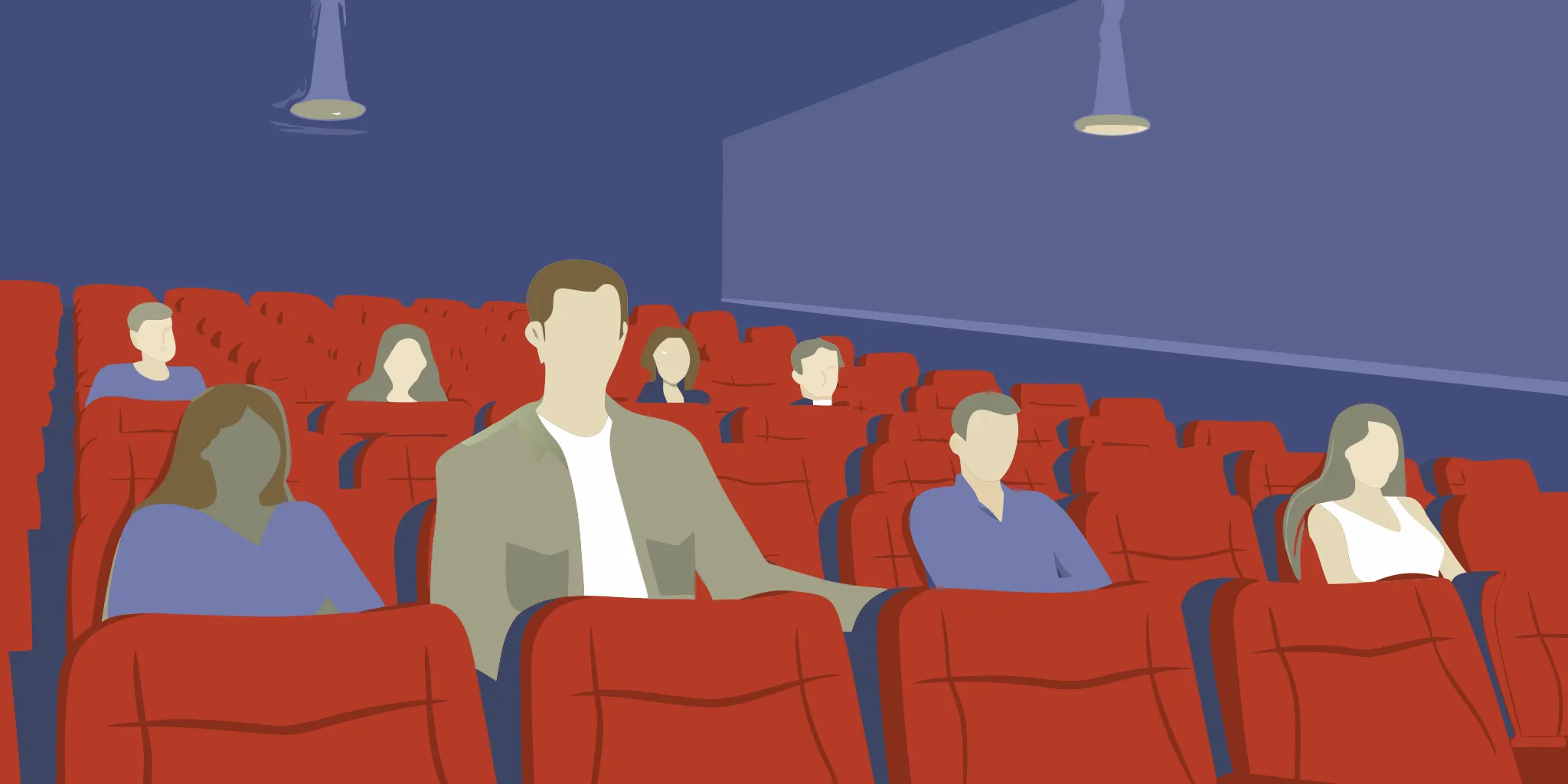
Place based media grew by 8.3 percent in a single quarter as brands fled the fraud of digital channels. This surge reflects a growing need for advertising that reaches real people in physical locations. All Points Media makes this transition simple with full campaign management across all 50 states.
Place based media helps advertising agencies reach consumers where they live, work, and play. Managing multi-market campaigns is often complex. A turnkey solution from All Points Media provides one point of contact for strategy, venue procurement, in-house print production, and proof-of-performance reporting. Out-of-home advertising revenue hit a record $9.46 billion in 2025. All Points Media handles every step, including nationwide installation across 210 DMAs. By building custom networks, the company provides the exact targeting and scale needed for multi-market success.
Managing a place-based campaign across dozens of cities remains a real hurdle for many agencies. Buyers often struggle to coordinate vendor relationships while keeping brand quality consistent across diverse regions. There is a better way.
Place Based Media: The Multi-Market Challenge: Why Media Buyers Need a Better Approach
Managing out-of-home ads across many markets creates hard tasks for media buyers. When brands grow into new areas, they often face a mix of venue partners, print shops, and installation crews. This fragmented approach leads to higher costs, slower timelines, and inconsistent brand quality. All Points Media fixes these issues with one point of contact for nationwide coverage.
Digital ad fatigue drives buyers back to physical spaces
Modern buyers deal with growing digital ad fatigue. Many consumers use ad blockers, and bot traffic makes online metrics hard to trust. Digital channels often fail due to banner blindness and low attention spans. This has led brands to move back into real-world spaces. Place-based OOH offers a way out of these digital problems. It provides precision without ad fraud or privacy concerns. Place based media reaches the right person in the right physical setting.
The high cost of managing multiple vendors
The alternative OOH market is a fast-growing $2 billion segment. It extends beyond traditional billboards and transit ads. But executing multi-market campaigns is tough because the market is so fragmented. One vendor handles venue access. Another handles print. A third handles installation. This layered approach adds overhead that most agency teams lack time to manage. This is why the market opportunity for a unified turnkey partner is so large.
Why a unified partner wins
All Points Media solves this with a fully integrated model. The team handles strategy, venue procurement, and print production through APM PrintWorks. AP Installations manages setup across all markets. A dedicated account team oversees the campaign and delivers proof-of-performance reporting. This unified approach helps buyers launch multi-market campaigns without managing many vendor relationships.
What Does a Turnkey Place-Based Media Partner Look Like?
Managing campaigns across many cities often forces media buyers to work with multiple vendors. One team leases the space. Another group prints the signs. A third handles installation. This split approach adds risk, cost, and delays. All Points Media handles every step in-house. Instead of selling existing ad space, the team builds new networks to fit each brand.
Work with a partner that handles each part of your place-based media campaign from start to finish.
A full-service model
A true turnkey partner owns the whole path from strategy through reporting. All Points Media handles planning, venue search, print production, and installation. This 30-year heritage ensures no part of the task goes to outside vendors. Data from OAAA shows that place-based media is a top growth area in the out-of-home sector. This vertically integrated model eliminates the overhead of managing many firms.
Custom networks, not fixed inventory
Most firms sell space on signs they already own. All Points Media builds custom networks for each client. The team uses a seven-factor plan to find the best spots. This looks at audience fit, geographic coverage, campaign length, budget, and creative needs. The work scales to fit any market in the country.
In-house print and proof-of-performance
Speed and quality are critical in physical advertising. All Points Media started APM PrintWorks in 2009 to bring print production in-house. By owning the print process, the team keeps costs low and stays on schedule. Clients get consistent quality across every market. Once ads go up, a dedicated team provides proof-of-performance reports to verify each placement. This helps every buyer know where their ads are and how they appear.
Building Custom Place-Based Networks Across 50+ Venue Categories
All Points Media provides access to 100,000 actively leased venues. These locations span more than 50 venue categories across all 50 states. This scale lets media buyers reach audiences in all 210 DMAs. Using a place-based media strategy, brands find their audience in the exact spots where they spend time.
A vast network of targeted locations
The company has over 30 years in this field, the longest tenure among major alternative out-of-home firms. The team has built a database of 8 million potential placement spots. Advertisers can reach consumers in fitness centers, golf courses, medical offices, daycares, senior centers, bowling alleys, pharmacies, libraries, and restaurants. Each venue category draws a specific demographic for precise targeting without digital waste.
The seven-factor curation process
Many firms sell ads from a fixed list of locations. All Points Media builds custom networks for each campaign. The team uses a seven-factor plan: brand fit, audience alignment, geographic coverage, campaign duration, objectives, budget, and creative format. The result matches the campaign’s needs rather than forcing it into available inventory.
National reach with local precision
A brand might need a coast-to-coast campaign or a hyper-local one. The team scales work to fit all 50 states or a single zip code. This flexibility is essential for 50+ venue categories that vary by region. A restaurant chain may want ads in fitness centers near its locations. A hospital system may target senior centers in specific DMAs. The custom network approach makes this precision possible at any scale.
The Power of Captive Audiences in Place-Based Media
When a consumer is in a gym, a grocery store, or a medical office, they are in a receptive mindset. They are not multitasking across tabs or skipping past ads. This contextual relevance drives higher engagement than digital channels.
| Factor | Place-Based Media | Digital Display | Billboards | TV |
|---|---|---|---|---|
| Average dwell time | 20-90 min | 2-5 sec | 3-7 sec | 30-60 min |
| Contextual relevance | High | Medium | Low | Low |
| Ad fraud risk | None | High | None | Low |
| Privacy concerns | None | High | None | Low |
| Audience targeting | Venue-level | Demographic | Geo-based | Broad |
| Ad recall lift | 40% | 8-15% | 15-20% | 10-18% |
Why dwell time matters
The average consumer spends 20 to 90 minutes per visit in place-based venues. A person at a fitness center stays for an hour. A patient in a medical office waits 30 to 60 minutes. A family at a bowling alley spends two to three hours. During that time there are few distractions. The audience is captive and the ad has time to register. This is different from a digital ad that appears for a split second in a feed.
Contextual relevance drives recall
Research shows contextual creative achieves 40 percent ad recall lift. A protein bar ad in a gym makes sense. A children’s hospital campaign in a daycare waiting room feels relevant. This alignment increases the chance the consumer remembers the ad. It also reduces the annoyance factor of digital channels.
Measurable results without privacy tradeoffs
Place-based campaigns are measured through brand lift studies, footfall analysis, QR code scans, and social media engagement. Unlike digital tracking, none of these methods require personal data. Place-based advertising offers precision without the privacy concerns or ad fraud of digital channels.
From Strategy to Proof-of-Performance: A Seamless Campaign Lifecycle
All Points Media manages the entire campaign lifecycle under one roof. From the initial strategy session to the final proof-of-performance report, every step is handled by the same team. This eliminates the handoff issues of multi-vendor approaches.
- Discovery and strategy consultation. The team understands the brand’s objectives, target audience, and goals. They analyze the competitive landscape and define success metrics.
- Custom network design. Using the seven-factor process, APM designs a bespoke venue network. They evaluate brand fit, audience alignment, geographic coverage, duration, budget, and creative impact.
- Creative production through APM PrintWorks. The in-house facility, established in 2009, produces all materials. Keeping production internal ensures consistent quality. Clients include ESPN, Children’s Hospital of Philadelphia, and MetroPCS.
- Nationwide installation via AP Installations. The network covers all 50 states and 210 DMAs. Trained teams handle setup in every venue type.
- Campaign monitoring and management. Account teams oversee the campaign throughout its run. They track placement status and address issues in real time.
- Proof-of-performance reporting. At close, the team delivers a report showing where each ad was placed and how it appeared. Partners including Mindshare have cited this accountability as a reason for continued partnership.
Getting Started with Your First Place-Based Media Campaign
Starting a place-based media campaign with All Points Media is straightforward. The process begins with a consultation to understand the brand’s goals, target market, and geographic needs. From there the team designs a custom network and provides a proposal with projections and budget scenarios.
Choosing the right campaign scale
All Points Media offers three campaign scales. National campaigns reach all 50 states and 210 DMAs. Regional campaigns target specific states or DMA clusters. Local campaigns focus on cities, neighborhoods, or zip codes. The team helps advertisers choose the right scale based on audience footprint and budget.
Custom networks vs. fixed inventory
The key difference from competitors is inventory approach. Rather than selling pre-existing locations, APM builds each network from scratch. The place-based media networks are as unique as each campaign. This ensures ad dollars reach the right people in the right contexts.
What to expect in the first campaign
The discovery session covers the brand’s message, audience demographics, geographic priorities, and timeline. The team presents a recommended venue mix with budget options. Once approved, APM handles venue procurement, print production, installation, and campaign management. The advertiser gets a single point of contact and a proof-of-performance report at close.
Frequently Asked Questions About Place-Based Media
What is place-based media?
Place-based media is a category of out-of-home advertising that places ads inside or near venues where audiences gather. These include fitness centers, medical offices, grocery stores, daycares, senior centers, and bowling alleys. Unlike billboards that offer only brief roadside views, place-based media reaches consumers in high-dwell environments where they are already present and engaged.
How is place-based media different from billboards?
Billboards provide broad exposure to passing traffic with limited targeting. Place-based media trades mass reach for precision context. Ads appear inside venues where consumers spend 20 to 90 minutes per visit, creating longer exposure and stronger recall.
Can place-based advertising be targeted to specific audiences?
Yes. By selecting venue categories that match the brand’s demographic goals, campaigns reach the right audience. A healthcare campaign might target medical offices. A fitness brand might target gyms. DOOH screens also support dayparting for finer audience control.
How long should a place-based campaign run?
The standard length is four weeks. This gives the audience time to visit the venue multiple times and build recall. Digital placements offer shorter terms and dayparting options.
How do you measure effectiveness?
Measurement includes brand lift studies, QR code scans, footfall analysis, and social media engagement. Placements are physically verified, eliminating ad fraud. All Points Media provides reports showing where each ad was placed.
Ready to Simplify Your Multi-Market Place-Based Advertising
Ready to simplify your multi-market campaigns with a single turnkey partner? All Points Media builds custom networks that match your audience, geographic, and budget requirements. From strategy through proof-of-performance, the team handles every step so you can focus on your clients.
Contact All Points Media today to start building your custom place-based media network.