
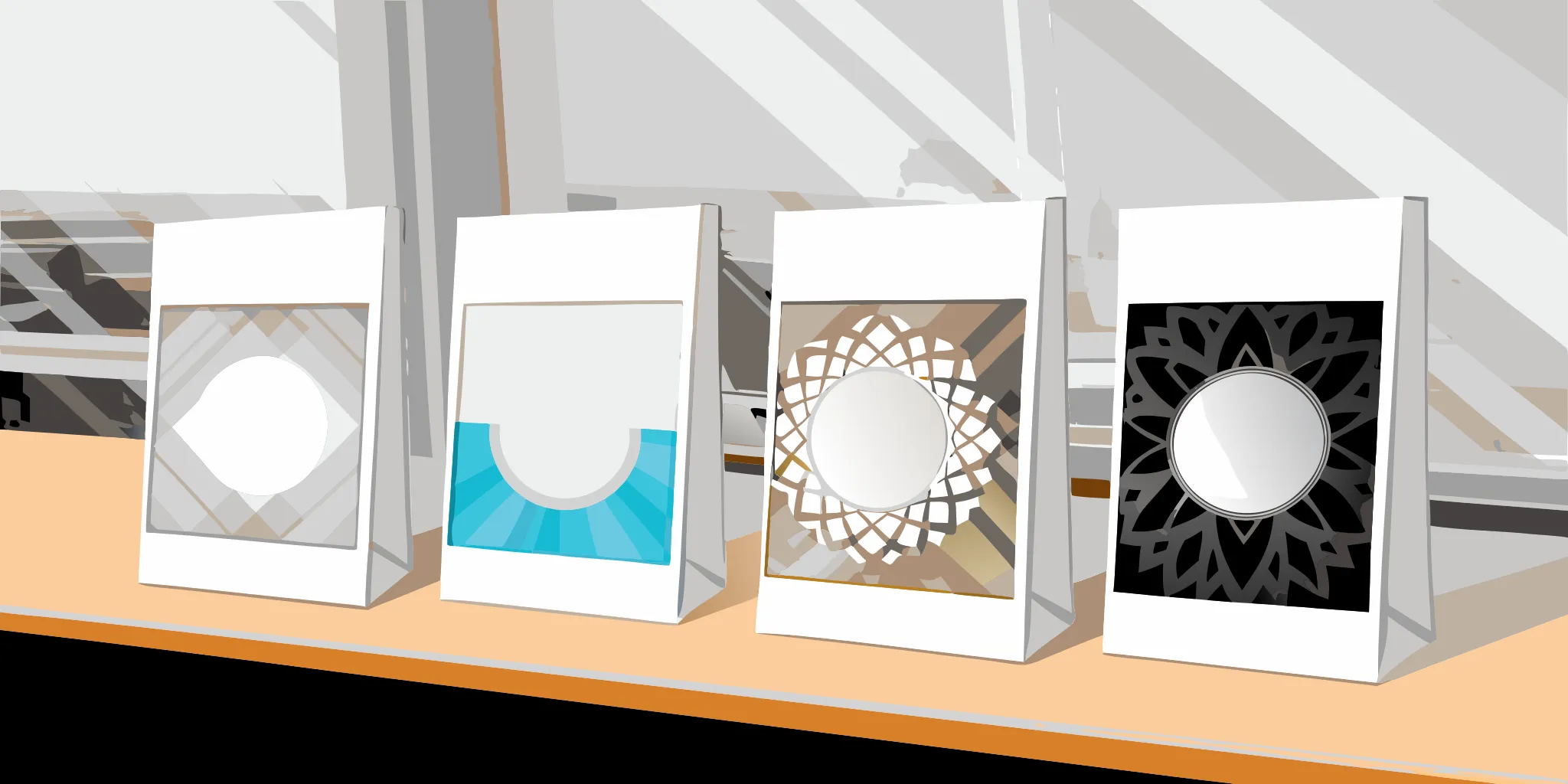
The effectiveness of an advertisement often comes down to context. A message about a new financial service feels more credible inside a bank, and a promotion for a healthy snack resonates perfectly inside a fitness center. This is the core strength of table tent advertising. It allows brands to place a tangible, relevant message in an environment that amplifies its impact. From restaurants and healthcare facilities to community centers and hotels, table tents connect with specific demographics in a targeted setting. While many printers can produce the materials, the best table tent advertising companies specialize in building strategic venue networks, ensuring your message reaches the right people at the right time for maximum effect.
Key Takeaways
- Capitalize on captive audiences: Table tents are effective because they reach people during moments of pause in high-dwell environments. This unique placement allows your brand to connect with a relaxed and receptive audience, making it perfect for driving on-the-spot decisions.
- Make your design actionable and measurable: A successful table tent needs a clear call to action paired with a QR code. This simple combination makes it easy for customers to engage and allows you to track performance through unique codes or landing pages, proving your return on investment.
- Look for a strategic partner, not just a printer: For a scalable campaign, success depends on more than just printing. A true advertising partner manages the entire process, from strategic venue selection and installation to providing detailed proof-of-performance reports for complete accountability.
What Is Table Tent Advertising?
Think of table tent advertising as a mini-billboard designed for up-close engagement. It’s a simple yet powerful form of place-based media that puts your brand’s message directly in a consumer’s personal space, but in a welcome, unobtrusive way. These small, freestanding displays sit on tables, bars, and countertops in high-traffic venues, capturing attention where other advertising formats simply can’t reach.
Unlike a fleeting digital ad or a billboard you drive past in seconds, table tents connect with people during moments of downtime. Whether they’re waiting for a friend at a café, sitting in a doctor’s office, or grabbing lunch at a food court, your message is right there. This gives you a unique opportunity to speak to a captive audience when they are relaxed, receptive, and more likely to absorb what you have to say. From promoting a special offer to building brand awareness, table tents are a versatile tool for making a direct impression.
How Do They Work?
At their core, table tents are customizable, self-standing cards designed to deliver a specific message. They work by transforming a simple tabletop into a valuable piece of marketing real estate. Because they are double-sided (or even three-sided), you can feature multiple messages, a menu, or different calls to action on a single display.
The magic is in their context. A well-placed table tent can prompt an immediate decision, like ordering a featured dessert in a restaurant. It can also serve as a quiet brand ambassador, sharing information about your services in a waiting room. By including a QR code, you can also bridge the gap between the physical and digital worlds, directing customers to your website, social media, or a special landing page right from their phones.
Where Will You Find Them?
You’ll spot table tents in all sorts of places where people gather, wait, or relax. Restaurants, bars, and cafés are the classic examples, but their effectiveness extends far beyond the food service industry. Today, you’ll find them in a wide range of high-dwell-time environments.
For scalable campaigns, a custom advertising network combines table tents with other venue-based formats for a unified brand presence. Think about the places that are part of people’s daily and weekly routines: fitness centers, doctor’s offices, hotel lobbies, university common areas, and community centers. These are all prime locations for table tent advertising because they offer access to specific demographics in a targeted setting. The key is placing your message in an environment that aligns with your brand and ensures it’s seen by the right people at the right time. This strategic placement is what makes them such a smart addition to a media plan.
Why Is Table Tent Advertising So Effective?
Table tents might seem simple, but their effectiveness lies in their unique ability to connect with people at just the right moment. They punch well above their weight by turning idle time into an opportunity for engagement. Unlike other ads that shout for attention, table tents start a quiet conversation, making them a surprisingly powerful tool for any brand looking to make a real-world connection. When placed correctly, they become a natural part of the environment, delivering your message without intrusion.
They Reach a Captive Audience
Think about the last time you were waiting for a friend at a restaurant or sitting in a doctor’s office. You probably scanned the table for something to read. That’s the magic of table tents. They are small displays that sit on tables and counters, helping businesses share messages where people will see them. These ads capitalize on high-dwell environments where potential customers are seated, relaxed, and receptive for extended periods. This is the core of place-based media: reaching people where they live, work, and play. Unlike a billboard you drive past in seconds, a table tent can hold someone’s attention for several minutes, giving your message ample time to sink in.
They Drive On-the-Spot Decisions
Because table tents are present at the point of experience, they are perfectly positioned to influence immediate behavior. You can use them to tell people about daily specials, upcoming events, or limited-time discounts, encouraging them to act right away. A well-placed table tent with a compelling call to action, like a QR code leading to a special offer, can turn a passive viewer into an active participant. This is especially effective in restaurants, cafés, and retail environments where a customer is already in a purchasing mindset. By presenting an offer at the exact moment they can use it, you close the gap between seeing an ad and making a decision.
They Complement Your Broader Media Mix
Table tents are not just a standalone tactic; they are a powerful addition to your integrated marketing strategy. They serve as a physical touchpoint that reinforces messaging from your digital, print, or broadcast campaigns, extending your reach into hyper-local venues that other media can’t access. For media buyers and brand managers, this offers a unique way to connect with niche audiences and add frequency to a campaign in a cost-effective way. By working with a partner who understands how to build custom advertising networks, you can ensure your table tents appear in the right venues to support your broader goals and create a more cohesive brand story for your audience.
Which Industries Benefit Most from Table Tents?
The beauty of table tent advertising lies in its incredible versatility. Because they are placed directly in a person’s line of sight in environments with long dwell times, they work for almost any brand objective, from building awareness to driving immediate sales. While the applications are nearly endless, we see certain industries achieve incredible results by integrating table tents into their place-based media strategies. These are the spaces where a message can truly connect with a captive audience, turning a simple tabletop into a powerful communication channel.
This approach allows brands to break through the digital noise and present a tangible, focused message to consumers when they are most receptive. It’s about being in the right place at the right time, and table tents make that possible in a simple, effective, and measurable way. From a bustling café to a quiet doctor’s waiting room, the context of the venue amplifies the message, creating a more meaningful connection than a fleeting digital ad ever could. For media buyers and brand managers, this means you can execute hyper-targeted campaigns that feel less like an interruption and more like a helpful suggestion. You’re not just buying ad space; you’re buying a moment of a consumer’s focused attention in a setting that aligns perfectly with your brand’s message.
Restaurants, QSRs, and Cafés
This is the classic environment for a table tent, and for good reason. When patrons are seated and waiting for their order, they are relaxed and receptive. Restaurants and quick-service restaurants (QSRs) use table tents to promote daily specials, introduce new menu items, or advertise happy hour deals. They’re also a perfect tool for encouraging loyalty program sign-ups or gathering customer feedback via a QR code. For a national beverage brand or CPG company, advertising on the tables of a restaurant chain provides a direct line to consumers right before they make a purchase decision, influencing their order on the spot.
Healthcare and Wellness Facilities
Waiting rooms in doctors’ offices, clinics, and hospitals offer a unique opportunity to reach a captive audience. During this time, patients are often looking for a distraction and are open to receiving helpful information. Healthcare providers can use table tents to share wellness tips, introduce new medical services, or explain patient portal benefits. For pharmaceutical brands, financial services, or health-focused CPG companies, placing a message in a healthcare setting allows you to connect with a specific demographic in a trusted, contextually relevant environment. It’s an effective way to deliver sensitive or educational content with credibility.
Retail, Trade Shows, and Corporate Events
In busy retail environments, table tents are great for drawing attention to promotions, special offers, or featured products at the point of sale. At trade shows and corporate events, they become essential tools for communication and guidance. You can use them to display event schedules, provide Wi-Fi information, or direct attendees to different sessions. For event sponsors, a branded table tent is a fantastic way to get your name in front of every attendee, ensuring visibility throughout a conference or meeting. They serve as mini-billboards in high-traffic areas where larger signage just isn’t practical.
Hospitality and Community Venues
From hotel lobbies and gyms to community centers and university lounges, table tents help you communicate with people where they live, work, and play. Hotels can use them to promote on-site restaurants, spa services, or local attractions. Fitness centers, a key part of our venue network, can advertise personal training packages or upcoming group classes. For a national brand, this strategy allows for hyper-local targeting. You can reach active, health-conscious consumers in gyms or connect with travelers in hotels across the country, ensuring your message is seen by the right people at the right time.
The Top Table Tent Advertising Companies
Choosing the right partner for your table tent campaign is just as important as the design itself. Your choice will depend on your specific needs, budget, and the level of support you require. Some businesses offer end-to-end campaign management, which is ideal for agencies and brands running large-scale, targeted campaigns. Others are primarily printers, offering a straightforward, do-it-yourself approach for those who just need materials produced. To help you find the perfect fit, we’ve compiled a list of the top companies in the space, ranging from full-service strategic partners to reliable online printers.
1. All Points Media
If you’re looking for a true partner rather than just a printer, All Points Media is the industry leader in full-service, place-based advertising. We go beyond printing by building custom advertising networks tailored to your campaign goals. We handle every detail: from strategic venue selection in high-dwell environments like restaurants and healthcare facilities to professional printing, nationwide installation, and comprehensive proof-of-performance reporting. This turnkey approach is perfect for media buyers and brands who need a scalable, managed solution that guarantees their message reaches the right audience in the right context. With us, you get a dedicated partner committed to delivering measurable results.
2. Vistaprint
Vistaprint is a household name in online printing, making it a go-to for small businesses and marketers who need quality materials on a budget. Their platform is known for its user-friendly design tools and a wide array of customizable templates, which simplifies the creative process. While you’ll be responsible for your own distribution and placement, Vistaprint offers a straightforward and affordable way to get professionally printed table tents. Their frequent promotions and competitive pricing make them an accessible option for testing new designs or fulfilling smaller print runs for local events or promotions.
3. FedEx Office
For businesses that value convenience and a quick turnaround, FedEx Office provides a reliable solution with a physical presence across the country. You can easily upload your design online and pick up your finished table tents at a local branch, often within a short timeframe. They also offer design assistance if you need a little help finalizing your creative. This blend of online ordering and in-person service is a great middle-ground for those who want more support than a typical online-only printer but don’t require a full-service advertising partner.
4. NextDayFlyers
When your campaign is on a tight deadline, NextDayFlyers lives up to its name. The company is built around speed, offering some of the fastest turnaround times in the industry without sacrificing print quality. You can choose from several paper stocks and finishes to create a durable and visually appealing table tent, and their ordering process is designed for efficiency. This makes them an excellent choice for last-minute events, trade shows, or promotional pushes where getting your materials printed and shipped quickly is the top priority.
5. PrintPlace
PrintPlace stands out for its focus on high-quality, custom printing options. If you have a unique vision for your table tents, like a custom die-cut shape or a specific premium finish, they have the capabilities to bring it to life. Their commitment to vibrant color and durable materials ensures your final product looks polished and professional, helping your message capture attention. While they operate as a print-only service, their attention to detail and quality makes them a strong contender for brands that want their physical media to have a premium feel.
How to Choose a Table Tent Advertising Partner
Finding the right partner for your table tent campaign goes beyond just printing. You need a company that aligns with your campaign goals, budget, and timeline. Whether you’re running a hyper-local test or a nationwide rollout, the partner you choose can make or break your campaign’s success. When evaluating your options, it’s important to look at the complete picture, from design support and material quality to reliability and reporting. Think of it as vetting a strategic partner, not just a vendor. Here are the key factors to consider to ensure you find the best fit for your brand.
Customization and Design Support
Your table tent is a direct reflection of your brand, so creative control is key. The right partner should offer the flexibility you need, whether you have a full in-house design team or require creative support. Many companies provide pre-made templates which can be useful for quick-turn projects. However, for a truly integrated campaign, you’ll want the ability to upload your own design to ensure it matches your brand guidelines perfectly. Ask potential partners about their design capabilities upfront. Do they offer simple template-based services, or can they provide more in-depth design support and consultation to help your message stand out?
Material Quality and Durability
A flimsy, poorly printed table tent can do more harm than good. These materials live in high-traffic environments like restaurant tables and gym counters, so they need to be durable. Look for partners that use sturdy, high-quality cardstock, typically 14-point or 16-point thickness. The finish is also important; a glossy coating can make colors pop, while a matte finish offers a more subtle, sophisticated look. Understanding the different paper weights and finishes available will help you choose a material that not only looks great but also holds up for the entire duration of your campaign.
Turnaround Time and Reliability
Campaigns move fast, and your advertising partner needs to keep up. Before committing, get a clear understanding of their production and shipping timelines. Some companies offer expedited services, including same-day or next-day printing, which can be a lifesaver for last-minute opportunities. For example, some printers like NextDayFlyers build their brand on speed. However, remember to balance speed with reliability. Ask about their track record for meeting deadlines, especially for large or complex orders. A reliable partner will provide a realistic timeline and communicate proactively if any issues arise, ensuring your campaign launches on schedule.
Pricing and Order Flexibility
Your budget will always be a major factor, but it’s important to look beyond the initial price per unit. Dig into what’s included in the quote. Are there hidden setup fees, design charges, or shipping costs? A transparent pricing model is a sign of a trustworthy partner. You should also consider order flexibility. Can you order a small batch for a local test, or are you locked into a large minimum quantity? The right partner should offer scalable solutions that work for both small-scale tests and large, national place-based media campaigns, allowing you to adjust your strategy as needed without breaking the bank.
Reputation and Proof of Performance
For media buyers and brand managers, results are everything. While online customer reviews and star ratings can give you a sense of a printer’s quality and service, a true advertising partner offers much more. Look for a company with a strong reputation and a history of success. More importantly, ask what kind of reporting they provide. A full-service partner will offer comprehensive proof-of-performance, including installation photos and affidavits of service. This level of accountability ensures you know your message was delivered correctly and gives you the data needed to measure your campaign’s true impact. This is what separates a simple printer from a strategic advertising partner.
What Are the Best Materials and Sizes for Table Tents?
Once you’ve decided to add table tents to your media plan, the next step is figuring out the physical specifications. The size and material you choose are more than just production details; they directly influence how your audience interacts with your message and how long your campaign can effectively run in a busy environment. Getting these elements right ensures your creative stands out and withstands the demands of high-traffic venues.
Common Sizes and Where to Use Them
When it comes to table tents, size dictates visibility and function. The most common size you’ll see is 4 by 6 inches. It’s a versatile workhorse, perfect for displaying a focused message on both sides without cluttering a tabletop. This size is ideal for concise promotions in restaurants, waiting rooms, or at checkout counters.
Other popular dimensions like 5 by 5.5 inches or 7 by 5 inches give your creative team a bit more room to play with. These larger formats are great for campaigns that need to include more detailed information, like a mini-menu, a list of services, or more complex visuals. The key is to match the size to the environment and the message, ensuring your ad fits naturally into the consumer’s experience with place-based media.
Choosing the Right Material for Your Goals
The material of your table tent affects its look, feel, and lifespan. Standard cardstock is a cost-effective choice for short-term promotions or messages that you plan to update frequently, like a weekly special or a limited-time event. They are lightweight, easy to produce, and get the job done for temporary campaigns.
For messages that need to stick around longer, a more durable material is the way to go. Think of sturdy, coated cardstock or even plastic holders. These options are designed to hold up in high-traffic settings like busy restaurants, fitness centers, and community hubs where they might be handled frequently. A professional partner like All Points Media can guide you to the right material, ensuring your investment lasts for the entire campaign flight.
How to Design a Table Tent That Grabs Attention
A table tent sits in a unique position, literally. It has the undivided attention of a captive audience, but it’s also competing with conversations, smartphones, and the meal in front of them. A thoughtful design is what makes someone pick up your table tent instead of just pushing it aside. The goal is to create a mini-billboard that’s impossible to ignore. By focusing on a clear message, compelling visuals, and a direct call to action, you can turn a simple piece of cardstock into a powerful conversion tool.
Keep Your Message Clear and Focused
When it comes to table tent copy, less is always more. You have only a few seconds to make an impression, so your message needs to be understood at a glance. Before you write a single word, decide on the one thing you want your audience to do or know. Are you promoting a happy hour special, a new service, or an upcoming event? Every element of your design should support that single goal. Start with a punchy headline that communicates the main benefit, then use just a sentence or two of supporting text. Keep it brief, scannable, and focused on what matters most to the customer.
Use Bold Visuals and Smart Typography
Your visuals are the hook. A striking, high-resolution image or a clean, compelling graphic will draw the eye long before someone starts to read. Make sure your visuals are on-brand and directly related to your offer. Beyond images, pay close attention to your typography. Use a font that is clean and legible from a few feet away. You can create a clear visual hierarchy by using different sizes and weights for your headline, body copy, and call to action. This simple technique guides the viewer’s eye through the most important information first, ensuring your main point lands effectively.
Include a QR Code and a Strong Call to Action
A great table tent doesn’t just present information; it prompts action. Your call to action (CTA) should be direct and unambiguous, telling people exactly what to do next. Think “Scan to Win,” “Join Our Waitlist,” or “View the Full Menu.” Pairing your CTA with a QR code is essential. This simple square bridges the gap between your physical ad and your digital presence, making it incredibly easy for customers to act on their interest. This is a key advantage of place-based media, turning a moment of interest into a measurable interaction.
How to Measure the Success of Your Table Tent Campaign
A great campaign doesn’t end once your table tents are placed. The real magic happens when you can connect your efforts to tangible results. Measuring the impact of your table tent advertising is key to understanding your return on investment and refining your strategy for future campaigns. It’s not just about getting eyes on your brand; it’s about inspiring action. When you can clearly demonstrate how your place-based media spend contributes to business goals, you can make smarter decisions and secure bigger budgets.
Fortunately, you don’t have to guess whether your table tents are working. With a bit of planning, you can build tracking mechanisms directly into your campaign. These methods help you gather concrete data, prove the value of your investment, and gain insights that will make your next campaign even more effective. Let’s walk through a few straightforward methods for tracking performance.
Track Success with Unique Promo Codes and Offers
One of the most direct ways to measure engagement is by giving your audience a specific action to take. Using unique promo codes, QR codes linked to a special landing page, or exclusive offers on your table tents allows you to directly attribute sales or leads to that specific campaign. For example, a restaurant could offer a free appetizer with a code, while a healthcare provider might offer a discount on a wellness check-up. By tracking how many people redeem the offer, you get a clear picture of your campaign’s reach and conversion rate. This simple tactic transforms your table tent from a passive brand message into an interactive lead generation tool.
A/B Test Your Designs and Messaging
Not sure which headline or image will perform best? You don’t have to guess. A/B testing is a powerful strategy for optimizing your creative. By creating two different versions of your table tent and placing them in similar venues, you can see which one generates more scans, redemptions, or inquiries. You might test a bold, question-based headline against a straightforward, benefit-driven one. Or, you could compare a product-focused image with a lifestyle shot. By attaching a unique QR code or promo code to each version, you can easily track which design resonates most with your target audience and apply those learnings to future campaigns.
Review Your Proof-of-Performance Reports
Working with a full-service advertising partner gives you access to a critical measurement tool: the proof-of-performance (POP) report. This isn’t just a delivery confirmation; it’s a comprehensive overview of your campaign’s execution. A thorough POP report includes photographic verification of your table tents in each venue, confirming they were placed correctly and are in good condition. At All Points Media, we provide detailed reports that give you complete transparency and accountability. These reports are essential for verifying your media buy and ensuring your message is reaching your captive audience exactly as planned, giving you full confidence in your investment.
Table Tents vs. Other Place-Based Media
Table tents are a powerful tool, but they’re just one option in the world of place-based advertising. Think of them like a specialized instrument in an orchestra. Sometimes, a solo performance is exactly what you need. Other times, you create a much richer experience by combining them with other formats like posters, digital screens, or static clings. The real skill is knowing how to use them to achieve your specific campaign goals, whether they’re standing alone or working as part of a larger media mix.
When to Use Table Tents as a Standalone Tool
Table tents shine brightest in environments where your audience is seated and stationary for an extended period. Think restaurants, coffee shops, bars, and waiting rooms. In these high-dwell-time settings, a table tent isn’t just another ad; it’s a piece of content sitting directly in a person’s line of sight. This makes them incredibly effective for driving immediate action. You can promote a happy hour special, introduce a new dessert, or encourage app downloads while your audience is most receptive. Because they are one of the most intimate forms of place-based media, they can deliver a message without competing for attention, making them a perfect standalone solution for hyper-local promotions.
How to Layer Table Tents into a Broader OOH Strategy
For larger campaigns, table tents can act as a powerful final touchpoint in a multi-format strategy. Imagine a health-conscious consumer seeing your brand on a digital screen at their fitness center, then encountering it again on a table tent at their favorite healthy lunch spot. This layering reinforces your message and builds familiarity. Combining different types of venue-based media creates a cohesive brand story that follows your audience through their day. Research shows that integrated campaigns using multiple media channels significantly improve brand recall. By layering table tents with other OOH formats, you create more opportunities for your message to stick, driving stronger results for your overall campaign.
Related Articles
Frequently Asked Questions
What’s the main difference between using a full-service partner and just ordering from an online printer? Think of it this way: an online printer sells you the fish, but a full-service partner teaches you how to fish, finds the best fishing spots for you, and even cooks your catch. A printer will give you a stack of well-made table tents, but then it’s up to you to find venues, get permission to place them, and check that they stay up. A true partner handles the entire strategy, from selecting the right venues to reach your target audience to managing installation and providing detailed proof-of-performance reports.
How can I be sure my table tents are actually displayed correctly in all the venues? This is a critical question, and the answer lies in accountability. Any professional place-based media partner should provide comprehensive proof-of-performance reports. These reports are not just simple delivery confirmations; they should include clear photos of your table tents installed in each specific location. This verification gives you the confidence that your campaign is running exactly as planned and that your investment is reaching the captive audience you paid to connect with.
Are table tents still effective when people are so focused on their phones? Absolutely, and in some ways, they are even more effective because of it. Instead of competing with the phone, a smart table tent works with it. People naturally look up from their screens during moments of downtime, like waiting for a meal or an appointment. A visually interesting table tent can capture that glance. By including a QR code, you give them a reason to use their phone to interact directly with your brand, turning a physical ad into a measurable digital action.
Can I use table tents to reach a very specific demographic, or are they just for general brand awareness? Table tents are exceptionally good for targeted campaigns. Their power comes from strategic placement. If you want to reach health-conscious consumers, you can place ads in a network of fitness centers and organic cafes. If you’re targeting new parents, you can place them in pediatricians’ offices and family-friendly restaurants. A good partner can build a custom network of venues that aligns perfectly with the specific demographic you want to reach.
How do I integrate a QR code effectively without it looking clunky? The key is to make the QR code a natural part of the design, not just something you stick on at the end. Give it a clear and compelling call to action right next to it. Instead of just having the code, add text like, “Scan to Join Our Rewards Program” or “Scan for a Free Dessert.” This tells people exactly what they will get for their effort. You can also frame the code or use brand colors to make it feel like an intentional and valuable part of your message.