
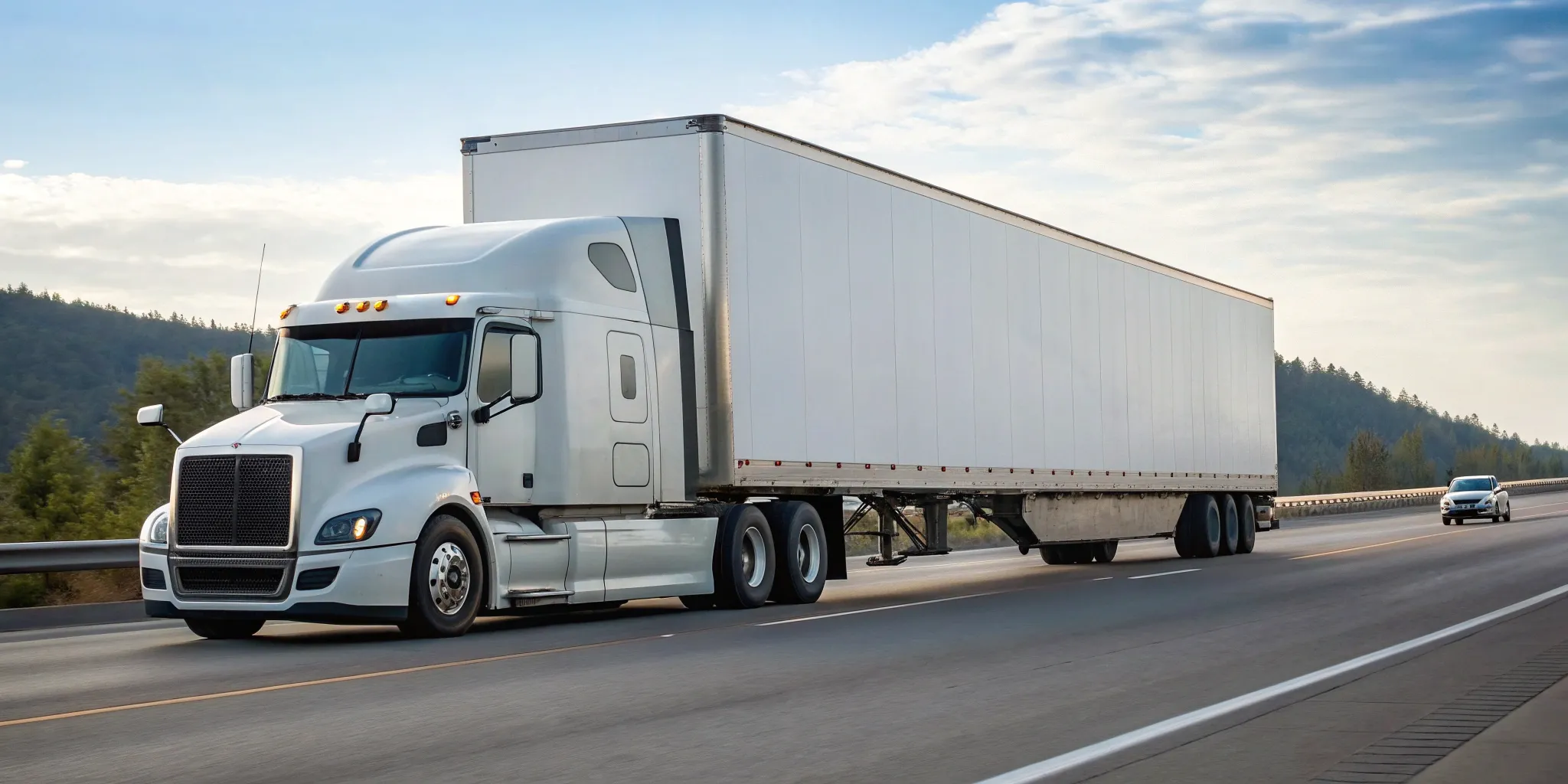
In a world of fleeting digital impressions, a massive, moving ad in the physical world makes a statement that’s hard to ignore. Truck billboard advertising offers a unique advantage: it combines the high-impact visibility of a traditional billboard with the precision of a targeted digital campaign. This format allows you to break free from the limitations of static media and actively place your message in the path of your ideal customers. Whether you’re launching a new product, driving foot traffic to a retail store, or building brand awareness in a new market, a mobile billboard is a powerful tool for creating memorable, real-world connections.
Key Takeaways
- Use Strategic Routing to Reach Your Ideal Audience: A mobile billboard’s greatest strength is its ability to go where your customers are. Plan routes that target specific neighborhoods, competitor locations, or major events to ensure your message connects with the right people at the right time.
- Look Beyond the Rental Fee When Budgeting: The truck rental is just one piece of the puzzle. A complete budget must also include costs for creative design, vinyl printing and installation for static ads, and any local permits required for stationary placements.
- Design for a Quick Glance and Measure Your ROI: Your ad has only a few seconds to capture attention, so use bold visuals, minimal text, and a clear call to action. To prove its effectiveness, include a unique URL or QR code that allows you to directly track engagement and attribute results to your campaign.
What Exactly Is Truck Billboard Advertising?
Think of a traditional billboard—that massive sign you see along the highway. Now, imagine putting it on wheels. That’s truck billboard advertising in a nutshell. It’s a dynamic form of out-of-home (OOH) advertising that uses trucks to carry your message directly to your audience, wherever they are. Instead of waiting for people to drive past your ad, you drive your ad directly to the people.
This approach allows you to get incredibly specific with your targeting. You can send your mobile billboard to high-traffic city centers, specific neighborhoods, major events, or even competitor locations. It’s about creating a moving, can’t-miss visual experience that captures attention on the streets where people live, work, and shop. By taking your campaign on the road, you can reach a broad audience in a way that feels immediate and impactful.
How Do Mobile Billboards Work?
Mobile billboards operate on a simple but effective principle: strategic movement. These trucks follow carefully planned routes designed to maximize visibility within your target areas. It’s not about random driving; it’s a calculated effort to intersect with the daily lives of your ideal customers. A campaign might involve circling a downtown business district during the lunch rush, cruising past a stadium on game day, or covering several residential zones over a weekend.
This method of geotargeting ensures your message is seen by a diverse mix of people, from drivers and their passengers to pedestrians on the sidewalk. Because the ad is at eye-level and in motion, it naturally draws more attention than a static sign. The goal is to create repeated, memorable impressions throughout the day in the places that matter most to your brand.
Static vs. Digital: What’s the Difference?
When you choose a truck billboard, you generally have two options: static or digital. A static billboard is the classic format—a large, high-quality vinyl print wrapped onto the truck. It’s perfect for a single, powerful message with bold graphics that can be understood at a glance. Think of it as your brand’s core message, made mobile.
On the other hand, digital LED billboards are essentially giant, bright TV screens on wheels. This format offers incredible versatility. You can run full-motion video, display a rotating loop of different ads, or even include sound. Digital displays are especially popular because they eliminate printing costs and allow you to update your creative in real-time, making them a flexible and modern choice for advertisers.
A Look at the Different Types of Truck Billboards
When you think of truck advertising, you might picture one specific type of vehicle. But the reality is much more diverse, offering a full menu of options to fit different campaign needs. Mobile billboards come in several formats, each with its own strengths, and choosing the right one depends entirely on your campaign goals, your budget, and the kind of statement you want to make. It’s a strategic decision: are you looking for a classic, always-on message to build steady brand recognition, or do you need the flexibility to change your creative on the fly for a time-sensitive promotion?
The format you select directly influences how your audience interacts with your message. A massive, brightly lit digital screen commands a different kind of attention than a fully wrapped truck that feels like a natural part of the cityscape. Some formats are built for constant motion along high-traffic freeways, while others excel at parking in a specific location to dominate a single, high-value area for a day. This versatility is one of the greatest strengths of out-of-home advertising, allowing you to tailor your physical media presence with the same precision you’d expect from a digital campaign. Understanding these distinctions is the first step in building a mobile billboard campaign that doesn’t just get seen, but gets results. Let’s walk through the main options you’ll encounter.
The Classic: Static Truck Billboards
This is the original mobile billboard and a reliable workhorse for a reason. Static truck billboards feature a large, high-quality vinyl advertisement printed and secured to the sides of a truck. Think of it as a traditional billboard, but with the massive advantage of mobility. Because the message is constant, this format is perfect for building brand awareness and reinforcing a core campaign theme over time. It’s a straightforward, powerful way to get your creative in front of thousands of people as the truck moves along its designated route. There’s no need to worry about tech glitches or competing messages—your ad is the star of the show, 24/7.
The Modern Take: Digital LED Displays
If you need flexibility and eye-catching visuals, digital LED trucks are your answer. These vehicles are equipped with bright, high-resolution screens that can display anything from static images to full-motion video. The biggest advantage here is the ability to deploy dynamic content. You can schedule different ads to run at specific times of the day, tailor messages to the truck’s current location, or even run real-time countdowns for a sale or event. The bright, illuminated screens command attention day or night, rain or shine, making them incredibly hard to ignore in busy urban environments. This format is ideal for time-sensitive promotions and complex campaigns with multiple messages.
Going All Out: Full Vehicle Wraps
Why limit your message to a board? With a full vehicle wrap, the entire truck becomes your canvas. This approach turns a standard delivery truck, van, or even a smaller car into a mobile masterpiece, completely covered in your branding. It’s an immersive form of advertising that creates a powerful and cohesive brand statement from every angle. Because vehicle wraps can be applied to vehicles of all sizes, they offer a unique way to target specific demographics. Imagine a fleet of branded vehicles navigating through neighborhoods where your target audience lives and works. It’s a high-impact strategy that makes your brand feel present and integrated into the community.
Simple and Effective: Trailer-Mounted Billboards
Trailer-mounted billboards offer the best of both worlds: they’re mobile when you need them to be and stationary when you find the perfect spot. These are essentially billboards attached to a trailer that can be driven to a specific location and then parked for hours or even days. This makes them exceptionally useful for hyper-local targeting. You can position them outside a trade show, near a competitor’s location, at a major sporting event, or right in front of a new store for its grand opening. This tactic allows you to capture a captive audience in a specific place at a specific time, driving immediate foot traffic and interest where it matters most.
Breaking Down the Costs of Truck Billboards
Figuring out the budget for a truck billboard campaign isn’t as simple as looking up a single price tag. The final cost depends on the type of truck you choose, where you run your campaign, and for how long. Let’s walk through the numbers so you can get a clearer picture of the investment required.
Pricing for Static Billboards
For a classic, static mobile billboard—the kind with a printed vinyl ad—the rental costs can vary quite a bit. A typical campaign can run anywhere from $1,000 to $6,000 per week. If you’re looking for a shorter-term activation, daily rentals generally fall between $500 and $900. These traditional displays are a reliable way to get your message on the road, but remember that the price covers the truck and driver, not necessarily the ad production itself.
What to Expect for Digital Billboard Rates
Digital LED trucks offer more creative flexibility, allowing you to run video, animations, and multiple ad variations without any printing costs. This dynamic capability comes at a different price point. You can expect to pay between $1,250 and $3,600 for a standard eight-hour period of digital mobile billboard advertising. While the upfront cost is higher than a single day for a static truck, the ability to change creative on the fly and capture more attention with motion can provide significant value.
Don’t Forget These Additional Costs
The truck rental fee is just the starting point. To build an accurate budget, you need to account for several other expenses that are part of the campaign process. A complete billboard pricing guide will always include these variables:
- Design & Artwork: Professional design services can range from $300 to $1,500, depending on the complexity of your creative.
- Printing & Materials: For static billboards, the cost to print the vinyl ad typically falls between $200 and $800.
- Installation & Removal: You’ll also need to budget for the labor to install and later remove the vinyl wrap, which can cost $200 to $500 each time.
- Permit Fees: While usually handled by the billboard company, local permit fees can add another $50 to $300 to your total.
What Factors Influence the Final Price?
Beyond the type of truck and production fees, several key factors will shape your final quote. The location of your campaign is one of the biggest drivers of cost. A campaign in a rural area might cost between $250 and $750, while running the same truck in a major city like New York or Los Angeles could be $2,500 to $15,000 or more. The duration of your campaign and the specific routes you choose will also play a major role. This is where it becomes important to weigh the broad reach of mobile billboards against the hyper-local targeting you can achieve with other formats like place-based media.
Staying on the Right Side of the Law
Putting your ad on a truck means you’re dealing with a unique asset: it’s both a moving vehicle and a powerful advertising medium. This means it’s subject to both traffic laws and advertising regulations. While this might sound complicated, it’s straightforward once you know the rules of the road. A professional partner will handle the compliance details, but it’s always smart to understand the basics of what keeps a campaign legal and effective.
Understanding Federal Guidelines
Let’s start with the good news. Box truck advertising and mobile billboard advertising are legal in most places across the United States. There isn’t a single federal law that prohibits this form of advertising, which gives you a green light to plan campaigns on a national scale. Federal oversight is generally focused on standard vehicle safety and transportation rules that apply to all commercial trucks, not the advertisements they carry. The real details and differences in regulation appear at the state and local levels, which is where your focus should be.
Securing State and Local Permits
This is where things get more specific. The rules for mobile billboards can vary quite a bit from one city or state to the next. The most important distinction is whether the truck is moving or parked. If a truck is in motion and part of the normal flow of traffic, it usually doesn’t need a special permit. However, if you plan to park it for a long time to serve as a stationary ad, some cities will require a permit, as it’s then considered a temporary sign. It’s essential to check the specific local ordinances in your target area before you launch.
Knowing Your Parking and Route Limits
Beyond permits, you need to think about the practical, on-the-ground rules. Your mobile billboard is a vehicle first and an advertisement second, so it must follow all regular traffic laws. This means no blocking intersections or parking illegally. Many cities also have restrictions on where large commercial trucks can drive or park, especially in busy downtown cores, historic districts, or near government buildings. A carefully planned route is key to a successful campaign, ensuring your ad gets seen by the right people without causing traffic snags or racking up fines.
The Perks of Putting Your Ad on Wheels
Static billboards have their place, but they wait for an audience to come to them. Mobile billboards flip that script entirely. By putting your message on wheels, you gain the power to actively seek out your ideal customers, creating a dynamic and unmissable brand presence. This approach isn’t just about driving around—it’s about strategic movement and precise placement. It allows your campaign to be more agile, targeted, and impactful than traditional out-of-home methods that are stuck in one spot.
Imagine launching a product in a new city, amplifying a message at a major convention, or driving foot traffic to a specific retail location. Mobile billboards can do it all. They take your brand directly into the communities and moments that matter most, cutting through the noise of a crowded advertising landscape. This mobility opens up a world of opportunities to engage with specific demographics, make a statement in high-dwell areas, and create memorable experiences that drive real results. Unlike a fixed billboard that relies on the same commuters seeing it day after day, a truck billboard introduces your message to fresh eyes in different neighborhoods, maximizing your reach and preventing ad fatigue. It’s a proactive strategy for brands that want to be seen everywhere that matters.
Get Seen by the Right People
One of the biggest challenges in advertising is ensuring your message reaches the right people. Mobile billboards give you an incredible amount of control over your targeting. You can move beyond broad demographic strokes and define your audience based on specific locations, lifestyles, and behaviors. If you want to connect with fitness enthusiasts, you can plan a route that passes by gyms and parks in the morning. Targeting business professionals? A slow crawl through the financial district during the lunch rush puts you front and center. This precision ensures your ad spend is focused on reaching high-value consumers, not just general traffic, making every impression count.
Go Where Your Audience Is
The core advantage of a mobile billboard is right in the name—it’s mobile. This frees your campaign from the limitations of fixed billboard locations along major highways. You can strategically take your message anywhere your audience gathers. Think about positioning your truck outside concerts, sporting events, food festivals, or industry trade shows. You can even target competitor locations or specific retail centers to influence purchase decisions at the most critical moment. This is the essence of effective place-based media, which is all about connecting with people in the context of their daily routines. By showing up where your audience lives, works, and plays, you create a far more relevant and powerful brand interaction.
A Smart Move for Your Budget
When you break down the cost per impression (CPM), truck billboard advertising often delivers exceptional value. These moving displays generate a massive number of views as they travel through dense urban centers and along high-traffic corridors, giving you significant reach for your investment. This efficiency makes them a smart addition to any media mix. You can use a mobile billboard to support a digital campaign, drive traffic for a grand opening, or build brand awareness in a new market without the long-term commitment of a static lease. The flexibility to choose your own routes and schedules means you can optimize your budget to focus only on the times and places that deliver the best results.
Create a Memorable Impression
In a world where consumers see thousands of ads a day, the unexpected gets noticed. A massive, vibrant billboard rolling down a city street is impossible to ignore. This novelty factor is key to breaking through the clutter and capturing attention in a way that static ads often can’t. The combination of size, color, and movement creates a powerful visual that leads to higher ad recall. Studies show that out-of-home ads resonate particularly well with younger demographics, like the 18-to-34 age group. By presenting a bold, can’t-miss message in their direct line of sight, you’re not just showing an ad—you’re creating a memorable brand experience that sticks.
Does Truck Billboard Advertising Actually Work?
This is the million-dollar question, isn’t it? Like any advertising channel, the effectiveness of a truck billboard campaign comes down to your strategy, creative, and goals. It’s not a magic bullet, but when used correctly, it can deliver impressive results. The key is understanding how to leverage its unique strengths and how to measure its impact on your bottom line. By looking at engagement rates, measurement tactics, and return on investment compared to other channels, you can get a clear picture of whether a mobile billboard is the right move for your brand.
Looking at Engagement and Recall Rates
One of the biggest arguments for truck-side advertising is its high-impact nature. A massive, moving ad is hard to ignore. Unlike a digital ad you can scroll past or a TV commercial you can skip, a mobile billboard commands attention in the physical world. This unavoidable presence often leads to higher ad recall than static media. Think about it: you’re more likely to remember the brightly colored truck that drove alongside you on the freeway than one of the dozens of stationary billboards you passed.
This format is particularly effective at reaching younger audiences. Studies on out-of-home advertising show that viewers are often between 18 and 34 years old, a demographic that can be challenging to connect with through traditional media. Because mobile billboards can’t be turned off or blocked, your message is guaranteed to get exposure. The main challenge is that this exposure is often brief—a few seconds in traffic. Your creative has to be incredibly sharp to make a lasting impression in such a short window.
How to Measure Your Campaign’s Success
Measuring the direct impact of any out-of-home advertising has always been a challenge, but technology has made it much easier. Gone are the days of just guessing how many people saw your ad. Today, most mobile billboard providers use GPS tracking to give you detailed reports on the truck’s route, the hours it was on the road, and the specific areas it targeted. This data, combined with traffic counts and demographic information, provides a solid estimate of your campaign’s impressions.
To get a real sense of performance, you need to track conversions. The best way to do this is by including a clear, measurable call to action on your ad. Use a unique URL, a custom QR code, or a special discount code that is exclusive to your truck billboard campaign. This allows you to directly attribute website visits, sign-ups, or sales to people who saw your ad on the move. For more advanced insights, you can also use geofencing technology to track whether people who were exposed to your mobile billboard later visited your physical store.
Comparing ROI to Other Ad Methods
When you start comparing the return on investment (ROI), mobile billboards have some compelling advantages. Their cost-per-thousand-impressions (CPM) is often significantly lower than that of traditional billboards, print, or broadcast advertising. You get the high visibility of a billboard without the high price tag of a premium, static location. This makes it an efficient way to generate widespread awareness, especially in dense urban markets.
The true power of truck billboards lies in their versatility. They are perfect for promoting local events, announcing a grand opening, launching a new product, or simply building brand recognition in specific neighborhoods. You can send your ad directly to a competitor’s location, a college campus, or a major convention center at the exact time your target audience will be there. While the CPM is attractive, it’s also important to consider the context in which your ad is seen. A driver focused on traffic may have a different level of receptivity than a consumer in a more relaxed, high-dwell-time environment. The key is to align the medium with the message and the audience’s mindset.
Potential Roadblocks to Watch For
Like any advertising campaign, launching a mobile billboard requires smart planning to get the best results. While putting your message on wheels is an incredibly effective way to capture attention, there are a few logistical details you’ll want to keep in mind. Thinking through these potential hurdles ahead of time ensures your campaign runs smoothly and makes the biggest impact possible, without any last-minute surprises. A great partner will handle these details for you, but it’s always good to know what’s happening behind the scenes.
Dealing with Route and Parking Rules
You can’t just park a massive billboard truck anywhere you’d like. Cities have specific regulations to manage traffic flow and public spaces. While a moving truck generally doesn’t need a special permit, one that will be stationary for an extended period often does. Many municipalities restrict parking in high-traffic zones, in front of government buildings, or in other sensitive areas. It’s crucial to remember that these are vehicles first and advertisements second, meaning all standard traffic laws apply. Planning your route and any stationary placements with these rules in mind is the first step to a compliant and successful campaign.
Planning for Weather and Visibility
Your mobile billboard is out in the real world, which means it’s exposed to the elements. Rain, snow, or fog can reduce visibility, and even bright, direct sunlight can sometimes create glare on a digital screen. While you can’t control the weather, you can plan for it. A good strategy involves scheduling routes during optimal viewing hours and having contingency plans for severe weather days. The upside is that, unlike a pop-up ad, mobile billboards can’t be skipped or blocked. They have a physical presence that commands attention, and people tend to remember ads they see on the move more readily than those they scroll past online.
Keeping Your Mobile Billboard Running
A mobile billboard is only effective when it’s on the road and operating correctly. Most campaigns run for a standard eight-hour day, and this schedule needs to be managed to maximize exposure to your target audience. The operational side includes more than just a driver; it involves fuel, insurance, vehicle maintenance, and campaign management to ensure the truck is where it needs to be, when it needs to be there. When you vet a provider, make sure their campaign costs cover these essential running expenses. A reliable partner will handle all the logistics, ensuring your ad stays on its planned route and looks its best from start to finish.
Your Step-by-Step Campaign Plan
Putting together a mobile billboard campaign isn’t complicated, but it does require a solid plan. By thinking through your strategy from the start, you can make sure your message hits the mark and your investment pays off. Here’s how to approach your campaign, one step at a time.
Start with Your Goals and Audience
Before you do anything else, get crystal clear on what you want to achieve. Are you trying to build general brand awareness across a city, announce a grand opening, or drive foot traffic to a specific retail location? Your primary goal will shape every other decision you make. Next, define exactly who you want to reach. Think beyond basic demographics and consider their daily routines, where they work, and what they do for fun. While traditional billboards often reach a broad audience, a mobile billboard lets you apply the same targeted principles as place-based media to get your ad in front of a very specific group of people.
Map Your Route and Schedule
This is where the magic of mobile advertising really comes into play. Instead of waiting for your audience to come to you, you can go directly to them. Strategically map out a route that covers the neighborhoods where your target customers live, work, and shop. Think about driving past competitor locations, business parks during lunch hour, or arenas before a big game. Timing is just as important as location. Scheduling your truck to run during peak traffic times or on weekends can dramatically increase your impressions. A well-planned route ensures your ad is seen by the right people at the right moment, maximizing its impact.
Design an Ad That Turns Heads
Your ad has only a few seconds to grab someone’s attention, so your design needs to be bold and direct. The best mobile billboard ads use striking visuals and minimal text—aim for seven words or less. Your message should be instantly understandable to someone driving by. Use large, easy-to-read fonts and high-contrast colors that stand out against any background. Most importantly, include a clear and simple call to action. Do you want them to visit your website, scan a QR code, or stop by your store? Make it obvious. Following these creative best practices will help you create an ad that’s not just seen, but remembered.
How to Find the Right Truck Billboard Partner
Choosing the right company for your mobile billboard campaign is just as important as designing the ad itself. You’re not just buying ad space; you’re investing in a partnership that can make or break your campaign’s success. The right partner will act as an extension of your team, offering strategic guidance, transparent communication, and flawless execution from start to finish. They should understand the nuances of local markets and have the operational expertise to keep your campaign running smoothly on the ground.
What to Look For in a Provider
When you start vetting potential partners, look beyond the sales pitch. Ask about their experience and the types of trucks they offer, whether static or digital. A seasoned provider should be able to demonstrate a strong understanding of your target audience and have a portfolio of successful campaigns to back it up. Don’t be afraid to ask for case studies or references. You want a team that can effectively target specific demographics and provide strategic input on routes and timing, not just a driver who follows a pre-set path. A great partner helps you connect your message with the right people at the right moment.
Understanding Contracts and Pricing
Once you’ve found a promising provider, it’s time to look at the contract details. Review everything carefully, paying close attention to the campaign duration, the specific routes the trucks will take, and any additional fees that might not be obvious upfront. Pricing can vary widely based on the truck type, campaign length, and geographic area, so always ask for a detailed quote that outlines every single cost involved. A transparent partner will have no problem breaking down their pricing structure and explaining what’s included. This clarity ensures there are no surprises and that your budget stays on track.
Related Articles
- Digital Mobile Truck Billboard | All Points Media
- Boost – Digital Out of Home Advertising-All Points Media
- Floor Decal Advertising: What You Need to Know
Frequently Asked Questions
How is a mobile billboard different from a regular one on the highway? Think of it as the difference between waiting for an audience and actively seeking one out. A traditional billboard is fixed in one location, relying on the same commuters to drive past it every day. A mobile billboard takes your message directly into the neighborhoods, business districts, and event spaces where your specific customers are spending their time. It’s a proactive approach that allows you to be much more strategic and targeted with your placement.
Which is better for my campaign: a static or a digital truck? The best choice really depends on your campaign’s goal. A static truck, with its high-quality printed vinyl, is perfect for a single, powerful brand message designed to build awareness over time. It’s consistent and always on. A digital LED truck offers incredible flexibility. It’s the right move if you want to run multiple ads, display video, or change your creative in real-time to promote a sale, event, or time-sensitive offer.
How do I actually know if my truck billboard campaign is successful? Measuring success has become much more precise than just guessing. Most campaigns use GPS tracking to confirm the truck followed its planned route and to estimate impressions based on traffic data. The most effective way to track direct results, however, is to include a unique call to action on your ad. Using a specific QR code, a custom website URL, or a special discount code allows you to directly attribute customer actions, like visits or sales, back to your mobile billboard.
Can I really send a truck to a specific event or competitor’s store? Absolutely. This is one of the greatest strengths of mobile billboard advertising. You can work with your provider to create a custom route that targets very specific locations at precise times. Whether you want to circle a stadium on game day, park outside a major convention, or make your presence known near a competitor’s grand opening, a mobile billboard gives you the power to place your message exactly where it will have the most impact.
What’s the most important thing to get right when designing the ad? Clarity is everything. Your audience only has a few seconds to see and understand your message as the truck passes by. The most effective designs use bold, high-contrast visuals and keep the text to a minimum—seven words is a good rule of thumb. Make sure your brand name is prominent and your call to action is simple and obvious. The goal is instant recognition, not complex storytelling.