
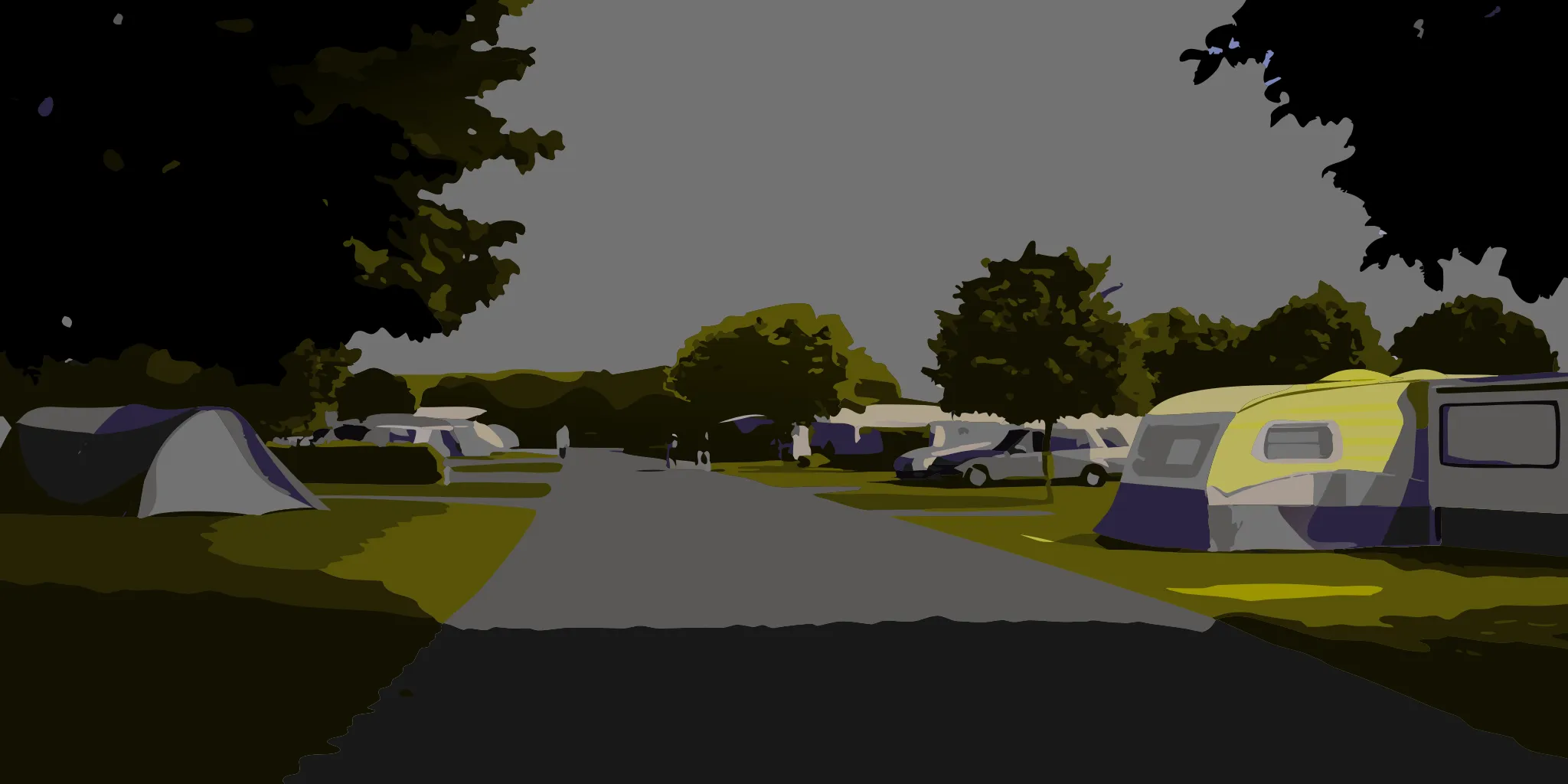
Outdoor travelers spend hours each day in campgrounds during their summer vacations.
Build a custom campground advertising network with All Points Media.
These venues offer a rare chance to reach a relaxed audience away from traditional digital noise. For media buyers, this space provides a way to target active families and retirees in high-dwell settings.
Campground advertising is a type of place-based media that puts brand messages in front of travelers; this strategy uses quiet spaces where people stay for hours. This long dwell time lets brands build deep trust that standard billboards can never reach; it helps you connect with active families and retirees. According to Hipcamp, finding the right market segment is the best way to build a campaign that works for these diverse groups. By using custom networks, brands reach millions of campers who use outdoor directories; this turnkey method helps media buyers bypass digital fatigue and connect with happy consumers. This approach connects brands with high-value consumers who are away from home, relaxed, and happy during their long summer trips across the country.
Media buyers must look beyond traditional outdoor ads to find these high-dwell hubs across the country. You need to know Why campground advertising reaches travelers differently to build a strong media plan. This guide shows how to reach active families and retirees during their leisure time. The path begins with
Why campground advertising reaches travelers differently
Most outdoor media catches people while they are on the move. Drivers see a billboard for just a few seconds as they pass at high speed. But campground advertising works in a place where people stay for days. This area creates a much longer link between a brand and a traveler than a roadside sign ever could.
High dwell time in nature
Travelers at a campground spend a lot of time in one spot. Most stays last for several nights, which means they see your message many times. Research shows that staying active outdoors provides clear health benefits and draws millions of people to these sites every year. This high dwell time is a core part of place-based media plans that work.
When people are at a campsite, they are not rushing to a meeting or stuck in traffic. They are often in a zone with few things to take their focus away. They stay in these areas for 60 to 240 minutes at a time. This gives brands a rare chance to share a full story rather than just a quick phrase. It turns a simple ad into a helpful part of their trip.
How travelers think at camp
The state of mind of a camper is very different from that of a city worker. Campers are often relaxed and looking for ways to enjoy their trip more. They are open to new ideas that can make their time outdoors better or easier. This state of mind makes them more likely to notice and remember the ads they see around the park.
Because they are in a good mood, they view the ads with less stress. A sign at a check-in desk or a camp store feels like a tip rather than a pushy sales pitch. This makes campground advertising a strong choice for brands that want to build real trust. By reaching people when they are happy, you create a better bond with your target group.
A sharp tool for media buyers
For media buyers, these sites offer a way to reach a specific group of people. You can find users by where they are, what they like, and how they travel. This is not a broad tool that hits everyone in a city. It is a sharp way to talk to high-value groups such as:
- Families on summer break
- RV owners and road trip fans
- Outdoor enthusiasts and hobbyists
Campgrounds serve as the hub for the whole RV travel world. They are the spots where people plan their next move, buy tools, and share tips with others. Using these sites as a way to share your message helps you stay ahead of other brands. It allows you to reach a key group in a space where very few other ads can go. You can build a custom network that fits your exact needs.
Which campground media formats fit your campaign?
Selecting the right placements is key to a successful place-based media advertising plan. Campgrounds offer many spots to reach outdoor fans where they are most relaxed. You can choose from signs in high-traffic areas or custom items that campers use every day. Each choice helps your brand stand out in a low-distraction setting.
High-traffic area displays
Posters and signs near check-in desks or park offices get viewed by every guest. These areas act as the hub for all park activity. Since campers often return to these spots for maps or wood, your message gets many views. This high-dwell time is why All Points Media expertise is vital for picking the best spots in each venue.
Shared areas like laundry rooms and bathhouses also offer great visibility. Most campers spend 60 to 240 minutes each day in these common spaces. Placing ads here ensures your brand is part of their daily routine. It is a smart way to reach people who are away from their phones and open to new ideas.
Custom items and shared tools
You can also place your logo on items that campers use during their stay. This includes park maps, site guides, or even Wi-Fi login pages. Digital reach on some outdoor sites can top 120 million visitors each year according to industry data from Good Sam. Using both print and digital tools creates a full brand experience.
| Placement | Best Use | Creative Tip |
|---|---|---|
| Park Offices | Brand Awareness | Use bold, clear text |
| Laundry Rooms | Direct Response | Add a QR code |
| Campground Maps | Local Utility | Feature a special offer |
| Wi-Fi Portals | Digital Engagement | Keep the form simple |
Strategic venue selection
Not every campground is the same, so your plan must be flexible. Some sites cater to large RVs while others focus on tent campers. This matters because outdoor recreation helps mental well-being across many groups. You need to pick venues that match your brand’s specific goals and audience.
Working with an expert team helps you build a custom network. You can target by state or by the type of activities the park offers. This leads to better results for your outdoor retail advertising or brand campaign. It also takes the stress out of managing many small sites at once.

How to plan campground advertising around seasonality
Plan campground advertising around peak travel windows, regional weather, venue traffic, and campaign lead time. A flexible network can shift investment toward markets and formats that align with when outdoor travelers are most active.
Timing is key. Your ads must move with the travel year. Most sites see a huge rush of people from late spring through the end of summer, but some spots stay open for winter sports or warm trips. Match your spend to these cycles. This helps you reach the right people at the best time.
Research shows that nature play helps with health. A study on outdoor recreation and well-being found that time in nature leads to lower stress. This means your group is in a good state of mind when they see your ads. They are relaxed. They are more open to brand words that fit their life. Using place-based media advertising strategies lets you reach them when they have hours to look and learn.
Finding your peak dates
The camping year has three main parts. First is the pre-season when people plan and book. Next is the peak season when they are at the site. Last is the shoulder season. This is the quiet time in between. Each part needs a new plan. In the pre-season, you should focus on your brand name. During the peak season, you should focus on local goods or help they need right now.
Dwell times at campgrounds are often very long. People stay in these areas for 60 to 240 minutes at a time. This gives them plenty of time to see and think about your ads. You are not just catching them for a few seconds. You are part of their home for the week. This high level of draw is why timed planning is so key. You want to be there when the crowds are thickest.
Matching your ads to what campers want
Campers have different goals based on the time of year. Summer campers often want family fun and gear for the heat. Fall campers may look for quiet trails and spots to see the leaves change. Your ads should show these shifts. For example, outdoor retail advertising works well before the trip starts. But once they are on-site, they need to see ads for fuel, food, or local fun.
A turnkey approach makes this planning easier. You can set up your network to hit the right spots at the right time. This saves you from having to manage many firms at once. You can focus on your message while your partner handles the rest. This is key when you are trying to scale a plan across many states. You need to know that your ads will be up and ready when the first tent is pitched.
Building a plan that can change
A good plan accounts for shifts in weather or travel trends. If a heat wave hits, more people might go to lakefront sites. If a big storm is coming, they might leave their spots early. You need a plan that can change when things do. Online ads allow for quick shifts, but print ads offer a steady look that stays for the whole stay. You should mix both to get the best reach.
Modern nature-based health studies show that people value these escapes more than ever. Brands that support these trips build long-term trust with their buyers. You are helping them make good memories and stay well. When you plan your ads around the seasons, you show that you know their life. You are not just a brand; you are a partner in their outdoor fun. This builds a bond that lasts long after the trip ends.
- Set your main goals. Decide if you want to sell goods right now or just build brand trust for the long term.
- Choose your launch timing. Buy your media six to eight weeks before the peak travel dates to catch the early planners.
- Select your venues. Pick campgrounds that match your target group’s age, income, and what they like to do.
- Match your creative. Use images and words that fit the current time of year and the local area.
- Track your results. Use unique URLs or promo codes to see how well the ads worked for your brand.
How should media buyers approach geographic targeting?
Media buyers can use campground advertising to reach people in exact areas. You can pick spots by city, state, or the whole country. This helps you put your ads where they will have the most impact. Since people stay at these sites for a long time, they see your ads often. This long stay helps your message stick. You can build a custom network that fits your goals well.
Local or regional networks
You can start small by picking local sites. This works well for brands that only sell in one state. You can also pick spots based on how far people drive. Many campers visit parks within a few hours of their homes. By picking these spots, you can reach local people while they are relaxed. Spending time in nature is linked to better health and well-being. This makes them more open to your message.
Large area plans help you reach more people. You might choose to focus on the Midwest or the East Coast. This is great for items that people use in certain weather. For example, sunblock brands might focus on parks in the South. This way, you do not spend money on areas that do not fit your brand.
Targeting by travel patterns
Some campers travel a long way to reach famous parks. You can find these people by picking sites along main routes. This lets you reach people who are on the move. You can also group parks by what they offer. For example, some parks are near lakes while others are in the woods. Picking sites this way helps you find the right group for your brand. Using place-based media advertising plans lets you reach people where they spend a lot of time.
You can also pick spots based on the type of person who visits. Some parks draw families with kids. Others are better for people who travel in large RVs. By picking the right parks, you can match your ad to the person. This makes your plan more helpful.
Scaling to national plans
If your brand is sold across the country, you can run a national plan. You can reach millions of people in all 50 states. All Points Media can build a custom network that covers 210 market areas. This gives you a broad reach while still keeping the ads in top spots. You get full photo proof of every ad. This makes it easy to manage a big plan without any stress. For more ways to reach this group, see our page on campground advertising.
Creative principles for reaching outdoor travelers
Campgrounds offer a unique setting for brand messages. Unlike fast-moving roadside signs, place-based media advertising plans in these spaces reach people when they have time to look. Most guests stay for hours or even days. This high dwell time means you can tell a deeper story than a standard billboard allows. But your creative work must still respect the natural setting to be useful. You are going into a space where people go to unplug and rest.
Designing for high-dwell zones
Clarity is your first goal. Even though people are relaxed, they are often in dim light or bright sun. Use high contrast between your text and the base. Dark text on a light field or white text on a dark base works best. Keep your fonts clean and bold. Thin or script fonts may look nice, but they are hard to see from far away or in the shade.
Being plain remains a core rule for good design. Focus on one clear idea per sign. Your main headline should be five words or fewer if you can. Use a strong image that tells the story at a glance. Since camping is tied to health, use images that feel calm or fun. Studies show that outdoor play helps mental health, so your ads should match that bright vibe. Avoid busy layouts that make the reader work too hard to find the point.
Keep these key design points in mind:
- Use one large, high-quality focal point image.
- Avoid small text that needs the reader to stand close.
- Use colors that pop against green or brown natural scenes.
- Keep logos clear but do not let them crowd the message.
Matching context and use
Think about what a camper needs while they are on site. They may want ice, wood, or a local meal. Creative that helps them solve a problem will get more notice. If your brand offers a tool that fits the camping life, show it in use. A map of the park with your logo on the edge is a great way to show use. It gives the guest a reason to stop and look while helping them find their way.
Your call to action must be easy to follow without a strong web signal. Many parks have poor cell service. Avoid long web links or codes that need a fast data link to work. Instead, use simple text like “Visit us in town” or “Ask at the camp office.” This keeps the path to your brand clear and low-stress for the camper.
Strong making and placement plans
Outdoor media must stand up to the weather. Sun, rain, and wind can quickly fade or tear cheap signs. Use UV-safe inks and heavy goods like vinyl or coated metal. This ensures your brand looks expert all season long. Poorly kept signs can hurt your brand image and make your business look sloppy. Working with an other OOH agency ensures your prints are made to last in the wild.
Placement is just as vital as the art itself. Put your ads where people gather or wait. Good spots include the camp store, laundry room, or the bath house. These are low-noise zones where people are often looking for things to read while they wait. By matching your message to the specific spot, you make it feel like a part of the trip rather than a nuisance. A well-placed sign at the park entrance can welcome campers right as they arrive.

How can you measure a campground advertising campaign?
Measure a campground advertising campaign with proof-of-performance photos, verified placement records, response tracking, and brand-lift metrics selected before launch. The right measurement mix connects venue execution to campaign objectives.
When you spend money on campground advertising, you want to know that your message hits the mark. Real world ads work in a different way than online ads. A good plan uses both physical proof and tech tools to show results. By checking both, you get a clear look at your reach and how campers act when they see your brand.
Verifying display with photo audits
The first step in any campaign is making sure your ads are in the right spot. For campground advertising, this starts with a proof of work report. You need to see the proof. This report gives you a full look at your ad spots across the country. Good partners give you 100% photo proof for every ad they put up. They take photos of every sign to show the work is done. These photos show you exactly how your ad looks in the park.
The photos also confirm that each ad is in a busy area. Campers spend a lot of time in places like the camp store, laundry room, or game area. These are high-dwell spots where people stay for 60 to 240 minutes. This long stay gives them many chances to see and read your ad. Photo proof ensures that your signs are clean and in the right place to get noticed. By checking every site, you can trust that your brand is visible and the campaign is on track. This type of check is a key part of place-based media advertising strategies today.
Tracking how campers take action
While you cannot count every pair of eyes, you can count every person who takes an action. Use QR codes or web links to track hits. When a camper scans a code to get a deal, you see it in your data right away. Some brands use a special phone line to track calls from the signs too. These tools help you see which spots or regions work best for your brand.
- QR Codes: Let campers scan a code with a phone to visit your site or get a coupon.
- Custom URLs: Use short links that are easy to type so you can track web visits.
- Unique Phone Numbers: Track calls to a specific line to see where the lead came from.
- Geofencing: Look for more web traffic or store visits from the area near the park.
These methods connect the physical park to the online world. When a camper uses a code to find a local shop, you get data on their interest right away. This helps you see which park types drive the most traffic. You can also look for a rise in site visits from certain areas during the ad dates. This data helps you plan better for your next campaign. It shows that your ads are doing more than just sitting on a wall; they are driving real leads.
Checking brand reach and impact
It is also vital to measure how many people saw your ads in total. Big networks can reach millions of fans through many channels. Some programs reach over 8 million people each year. Camping is very popular because it helps people feel good and stay healthy. Research shows that positive mental health and well-being are linked to time spent in nature. This link to health makes the camping crowd a great group to reach with your brand message.
To see how your brand grows, you can use surveys before and after the ads run. These studies ask people if they know your brand. You can also track social media posts or search volume for your brand name. If more people search for you while the ads are live, it shows that people saw them. This type of reach data shows the scale of your work. Combining reach facts with photo proof gives you a full picture of success. This full view helps media buyers show the worth of their campground advertising to their team. It turns a simple ad buy into a smart, data-led move.
Building a custom campground media network
Buying ads in campgrounds is not just about placing a sign. It is about building a system that fits your brand. A custom network lets you pick exactly where your ads go. This means you can pick specific areas or types of travelers. Many media buyers use these networks to reach people in a relaxed state. People at campgrounds often stay for 60 to 240 minutes in one spot. This long dwell time helps your message sink in. It is a smart move for place-based media advertising strategies because it cuts through the noise of digital ads.
Custom networks make the most sense when you have a specific goal. If you want to reach RV owners, you can pick parks with full hookups. If you want to reach young hikers, you can pick sites near state trails. You do not have to buy a pre-set list that might not fit your brand. Instead, you build a list that fits your target map. This focus helps you get more value from your budget. This lets you test new markets with less risk.
Finding the right venues
The first step is picking the best spots for your campaign. You might want to pick families in one region or hikers in another. A turnkey partner helps you find venues that match your goals. They look at data to see who visits each site. This helps you avoid wasting money on the wrong audience. You can sort sites by size or features. This ensures your campground advertising reaches the right eyes at the right time.
Since camping is linked to positive mental health, your brand appears when people feel good. This makes them more likely to remember your brand in a good way. You can scale your search across all 50 states to find the perfect fit. A good partner gives you access to spots that other agencies might miss. This helps your message stand out in a fresh space.
Full service from start to finish
Managing an ad campaign at a campground can be hard if you do it alone. A turnkey partner handles every part of the work for you. This starts with making the signs and ends with putting them up. They make sure the prints look great and can stand up to the weather. Sun, rain, and wind can damage cheap signs fast. You need materials that stay bright all season long. The partner handles the production to make sure every unit is high quality.
You do not have to worry about talking to dozens of park owners. The partner takes care of all those talks and deals. This saves you time and keeps the project on track. You get a single point of contact who knows the whole plan. They manage the shipping, the crews, and the timing. This ensures your ads go live on time so you can focus on the big picture.
The value of photo documentation
Once the ads are up, you need to know they are working. Good campground advertising relies on real proof. Your partner should give you photos of every single ad placement. This is called photo documentation. It shows you exactly what the campers see. It also proves that the work was done right and on time. You should expect a full check for every spot in your network. This is a standard part of an expert turnkey service.
You can use these reports to show your team the value of the spend. This level of detail builds trust and keeps things clear. It ensures that your custom network delivers the reach you paid for. This data helps you plan your next campaign better. When you have proof, you can feel sure about your choice. It turns a simple sign into a proven part of your media mix.
Frequently Asked Questions
How can I reach campers and RV owners with advertising?
To reach millions of campers, you should use both digital and print tools. Many people use online sites and apps to plan their trips. According to Hipcamp, these plans can help you reach over 7 million campers. These spots put your brand in front of people who love the outdoors. Using many paths helps you get seen by active travelers who are looking for places to visit.
Why should brands choose campground advertising?
Campgrounds are great because people stay there for a long time. These high-dwell spots mean guests have 60 to 240 minutes of free time. This makes them more likely to see and recall your ads. Since they are relaxed, they are more open to new ideas. This method is much better than a quick look at a road sign. It helps your message stick with your target fans.
Do digital ads work well for reaching outdoor travelers?
Yes, digital ads are a strong way to find people who love nature. You can place your ads on over 2 million sites that travelers use. Modern plans often use video to grab their eye while they browse. This helps you reach people where they spend their time online. It is a key part of any good plan for reaching active outdoor fans who want to find new spots.
How long do campground ad campaigns usually last?
You can pick a time that works best for your needs. Many programs offer plans that last for 3, 6, or 12 months. This gives you the choice to run a short push or a year-long plan. Having these choices helps you manage your costs while still reaching your target market of outdoor fans. You can adjust your plan based on the season to get the best results.
Ready to build a custom campground advertising network?
The peak travel season moves fast and each day you delay is a day your brand misses thousands of active campers who are outdoors. If you do not book your spots now, you may lose the best areas to brands that are already making their plans for the year. Starting today gives you the best path to reach people while they are relaxed and away from their phone or television screens.
Ready to build a custom campground advertising network? It is time to reach your people where they live, work, and play with a plan that works. Call (503) 270-5524 to get a free consultation and start your custom plan with us today.
