
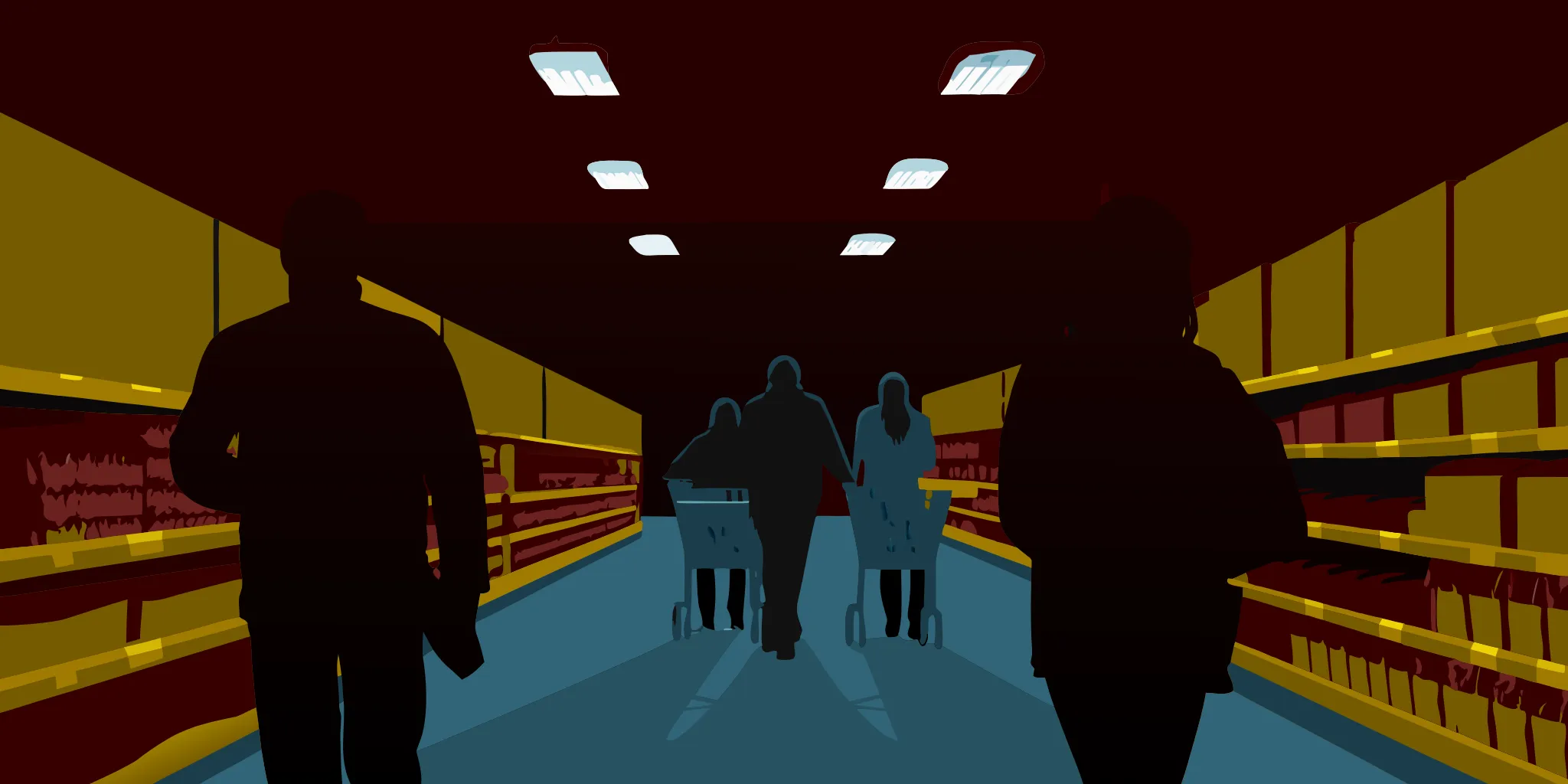
Nearly 98 percent of American buyers keep buying their food inside a local store. This huge volume of in-person traffic makes stores the most seen retail space in the entire country. Effective grocery store advertising allows firms to get focus during these long shopping trips.
Grocery store advertising is the planned set-up of many sales items inside a large retail store to reach shoppers at the point of sale during their weekly trips. These efforts use signs like shopping cart ads and digital ads to reach nearly all American buyers who still shop for their food in person at local stores. This method works well since most shoppers do not arrive with a list, which lets brands change quick buys and final brand picks at the shelf very easily. By using store-level focus, ad firms can reach local areas often with long wait times to ensure their brand messages are seen and known many times each week.
You might wonder how a simple cart sign or a digital screen can really boost your sales or brand reach. This guide explains What grocery store advertising is and why it works so well for modern brands. To know the true power of these local efforts, the path begins with.
What grocery store advertising is and why it works
Grocery store advertising is a type of place-based media that puts your brand in front of shoppers. It includes signs, digital screens, and cart ads inside local stores. This method is part of a mix of retail media and place-based advertising plans that reach people where they shop. Instead of just selling fixed spots, All Points Media builds custom networks for your needs. We use our 30 years of skill to find the best spots in all 50 states. Our team runs every step, from picking the right store to tracking how well the ads work.
These ads work because they meet people during their daily routine. Unlike a TV ad that someone might skip, these signs are part of the store itself. They catch the eye as people walk through the doors or wait in line. These ads help brands stand out in a space where buyers are already looking for goods. By using a turnkey partner like All Points Media, you can reach these buyers without the stress of running many vendors at once.
Reaching shoppers at the point of sale
Most people still buy their food in a real store. In fact, 98% of Americans shop for groceries in person rather than online. This makes the local market the busiest retail space in most towns. When brands use grocery store advertising, they reach people right before they buy. This is key because many shoppers do not have a set plan. Only 21% of grocery shoppers say they always arrive with a written list. This leaves a lot of room for your ads to guide their choices as they walk the aisles.
Brands can use this space to win over new fans. For example, a shopper might see an ad for a new snack and decide to try it on a whim. This is known as impulse buying, and it is a major driver of sales in the grocery world. Since the ad is right there with the product, the path to a sale is very short. This high level of focus is what makes in-store ads so strong for both big brands and local shops.
High dwell time and repeat visits
Local trust in a community hub
In-store formats brands can use in grocery campaigns
Most people still buy their food in person. In fact, 98% of Americans purchase groceries in-store rather than online. These shoppers visit the store about 1.6 times per week. They spend over 40 minutes on each trip.
Entry and exit displays
They put your message in a busy spot where every person must pass. This builds fast brand reach right away. It makes your product the first thing they see before they start their shop. These units work as a 24/7 billboard inside the store.
Exit ads are just as helpful for reaching people as they leave. They serve as a final nudge as shoppers head to their cars. Since 80% of buyers live within three miles of the store, they see these ads often.
Seeing an ad many times helps your brand stay in their minds for the next trip. You can also look at advertising in retail spots like gas marts for more reach. These spots keep your brand top of mind for local buyers in their own neighborhood.
Path to purchase media
Once inside, shoppers move through aisles where they make quick choices. Ads on shopping carts are a top way to follow the buyer. These ads stay with the person for the full 40-minute trip.
They keep your product in sight as they shop for every item. This constant view helps drive sales for items like snacks or drinks. It keeps your message close at hand while they fill their carts. Cart ads act as a personal sign that moves with the customer.
Shelf and aisle ads also play a big role in the store. Endcap ads can boost sales by a large amount. Research shows that promoted products can see sales gains from 16% to over 130%.
These spots show off items right where people buy. They help your brand stand out in a busy aisle. This is key for quick buys at the end of the trip. Aisle signs guide the shopper right to your product when they are making a choice. They help break the noise of a crowded store.
Specialized in-store zones
Some areas in the store have longer wait times. The pharmacy is a prime spot for this. People waiting for medicine are a captive group. Wellness kiosks in these spots get a lot of views.
Brands in the health space find great success here. They can share info when the shopper is already thinking about health. This builds a link between your brand and their well-being. It is a smart way to reach people who care about their daily habits.
Checkout lanes are another high-impact zone in the store. Most stores use this area to show items for quick impulse buys. A study found that 98% of stores place impulse items near the register.
Adding digital screens or small signs here can trigger a final buy. These formats ensure your brand is the last thing a shopper sees before they pay. It is the final chance to make a sale before they leave. Digital screens can show moving ads that grab the eye while they wait.
| Format | Best use | Planning note |
|---|---|---|
| Wellness kiosks | Broad local reach | Use at entrances, exits, or pharmacy areas. |
| Cart ads | Trip-long exposure | Keep the message simple and visual. |
| Digital screens | Short video or motion | Use in checkout or other high-traffic zones. |
| Shelf and aisle media | Near-product choice | Match the message to the shopper task. |
How audience and geographic targeting work
Planning a grocery store advertising campaign starts with choosing where to reach your fans. You can reach people at a single store level or across the whole country. Since 80% of people live within three miles of their local grocery store, geographic targeting lets you reach a hyper-local crowd near your shop. This near-home focus makes it easy to drive foot traffic from the store aisle to your nearby retail spot.
Geographic scale and conquesting
You can set up your campaign to cover zip codes, cities, or broad regions. Some brands use store-level data to find the best spots for their ads. This allows for competitive conquesting. You can place ads in stores near a rival shop to win over their buyers. By matching the store to your goals, you can reach people in high-traffic spots like entry ways and checkout lines.
Big brands often scale their work across many stores at once. This help builds broad brand awareness while keeping the message local to each town. You can choose to focus on retail media and place-based advertising strategies that fit your sales goals. This helps your message reach the right area without wasting your cash on spots that do not fit your needs.
Demographic and behavioral layers
Beyond location, you can filter your audience by age, income, and interests. Data from store visits helps find groups that match your ideal buyer. For example, if you sell high-end goods, you can target stores in zip codes with high pay levels. This helps you speak to the people most likely to buy your product.
Behavioral targeting looks at how people shop and what they care about. You can reach buyers who visit drug stores or those who focus on health. Since many small and nontraditional food retailers have different ad types, you can tailor your work to fit each shop. This helps you keep a steady brand voice while meeting the needs of each group.
How to plan a grocery store advertising campaign
Planning a successful grocery store advertising campaign requires a clear plan. This starts with setting goals and ends with checking results. Since 98% of Americans still buy groceries in person, stores are the best place to reach people. A strong plan keeps your brand in front of shoppers during their 43-minute trip.
Set your goals
First, you must know what you want to do. Are you launching a new item? Do you want to sell more of an old one? Knowing your goal helps you pick the right store and ad type. Since promoted product sales can grow by 16% to 136%, you should track your current sales first. This helps you see how much your ads helped once the work is done.
Pick stores and areas
Next, you need to choose where to show your ads. You can target local shops or go big with a national plan. About 80% of people live within three miles of their local store. This makes local targeting a smart move. Look at how many people visit each store and what they buy. This data helps you put your ads where they will work best.
Choose the best ad types
Grocery stores have many spots to show your brand. You can use kiosks at the door or ads on carts that follow the shopper. Each type does a different job. Put your ads in places that match how people shop. Entry ads build awareness fast. Shelf ads help people make a choice at the last second. All Points Media helps you find the right retail media and place-based advertising strategies for your brand.
- Set campaign goals: Pick a main goal like brand awareness or more sales for a specific item.
- Pick store spots: Use location and shopper data to find stores that reach the right people.
- Get ad spaces: Secure the best spots, like carts or kiosks, with a partner like All Points Media.
- Make your ads: Create bold visuals and print the materials you need for the campaign.
- Set up the ads: Use a pro team to put your ads in every store on time and in the right place.
- Check the results: Look at photos of the ads and track sales to see if you met your goals.
Track your success
A full campaign needs a way to check results. Only 21% of shoppers always bring a list to the store. This means most people can be swayed while they shop. By tracking how your ads change what people buy, you can learn how to do better next time. All Points Media gives you full reports with photos of every ad so you can see the work in the real world.
Working with one partner for the whole job saves time and stops mistakes. By following these steps, you can build advertising in retail environments that works. A good plan turns a simple ad into a big win in the grocery aisle.
Creative strategy for influencing shoppers near purchase
Most grocery buyers do not have a set plan when they walk through the doors. Research shows that only 21% of shoppers always arrive with a list. This means most people decide what to buy while they walk the aisles. Brands can sway these choices by using smart ads in the store. Good grocery store advertising reaches people right when they are ready to spend money. Since 98% of people still buy food in person, the store is a key place to share your message.
Simple messages for busy buyers
People in a grocery store move fast. They may have kids with them or a long list of tasks to do. Your ads must be easy to read while someone is in motion. Use big fonts and bright colors that stand out from the shelf. Keep your text short and clear. Avoid using too many words or complex ideas. A buyer should know what you offer in just one or two seconds.
Your ads should also fit the setting. Placing ads near the entry or in high-traffic spots helps them get seen. Some brands use wellness kiosks to reach people near the pharmacy area. These spots work well because people often wait there for a few minutes. This gives them time to look at your ad and think about your brand. Using place-based media advertising helps you reach people where they already spend their time.
Solutions for real needs in the aisle
Good ads talk about what the buyer needs right then. For food brands, this might mean showing a quick meal idea. In-store promotions can help drive sales for many types of goods. Studies show that some items see much higher sales when they have ads in the store. This works well for snacks and sweet drinks that people buy on a whim. But it also works for other groups like healthcare and retail.
Many groups can find success in the grocery store. Healthcare brands can promote local clinics or new health tests. Banks can share news about local branches or credit cards. Retail stores like clothing shops can point people to a nearby mall. Entertainment brands might show ads for a new movie or a local show. Even government groups can use these ads to share info about public health or local votes. The goal is to show how your service helps the buyer in their daily life.
Local ads for local stores
Most people shop at a store close to home. About 80% of buyers live within three miles of their local grocer. This makes the store a great place for local ads. You can use local themes or mention nearby spots to build trust. When an ad feels local, people are more likely to care about it. This helps bridge the gap between a big brand and a local area.
You can also change your ads based on who shops at each store. Some stores serve families, while others serve young workers or older people. A good plan uses these facts to show the right ads in the right spots. You can scale these plans from just one store to a whole state. By focusing on what locals need, you make your ads feel helpful rather than just noisy. This way of working builds a real link with the people who live and shop in the area.
How to measure grocery store advertising without overclaiming
Tracking the success of place-based media needs a focus on clear proof and field data. While digital ads often rely on click rates, grocery store advertising succeeds through physical presence. To stay open and honest, brands must look at real-world proof that their campaign ran as planned across every store.
Proof of performance and field data
The first step in tracking is seeing that your ads are live. All Points Media gives 100% photo proof for every campaign. This shows that your message is in the right place at the right time. This field data helps you track market reach and timing without the need for complex guesses about store traffic.
Managing a campaign also means tracking different designs across various stores. For instance, you might use one look in certain advertising in retail environments to see which one fits the local area best. This level of detail shows that you are not just buying space, but managing a live network with full view of the work.
Connecting campaign data to metrics
While you should not promise a set sales jump, you can look at broad trends in brand health and store sales. Studies show that product sales can grow when you use in-store ads. Some items see gains of 16% to 136% higher sales during these times. These facts help you see the likely reach of your work.
You can also track how your retail media and place-based advertising strategies work together. By looking at store-level data, you can see how your ads match with peak shop times. Since most people visit the store about 1.6 times per week, seeing the ad often helps them keep your brand in mind. You can find more data on shop habits from the Centers for Disease Control and Prevention.
Market coverage and install checks
Checking the work is key when moving from a local test to a large drive. You need to know that your ads are in the right spot in every pharmacy area or at every door. This check ensures that your campaign covers the full area as you planned. This process builds a strong base for any brand study or sales review you may do later.
Grocery store advertising vs. retail media networks
Many brands get mixed up between grocery store advertising and retail media networks. These two tools work in other ways to reach shoppers. Grocery store advertising focuses on the real store space. It uses tools like signs on carts or screens at the checkout. These ads catch the eye of the 98% of people who still buy their food in person, as seen in trade data. This method puts your brand in front of people while they move through the aisles.
Direct impact vs. digital data
Retail media networks are other because they rely on data. These networks use a store’s site or app to show ads. They track what people buy to show them items online. While these ads are great for targeting, they do not always reach people while they are in the store. Using both retail media and place-based advertising plans helps brands cover the whole path to buy.
Why brands use both
In-store ads offer a chance for shoppers to see a brand many times. Most people live close to their local store and visit it often. In fact, research shows that 80% of buyers live within three miles of their grocery store. This closeness leads to frequent trips where shoppers see the same ads again and again. In-store displays can have a big impact on what people buy. A study from the National Institutes of Health found that ads like endcaps can increase sales by 16% to 136%.
Retail media helps when shoppers plan their trips at home. It uses past buy history to suggest new items on a screen. When you combine this with in-store signs, you stay top-of-mind. The digital ad starts the thought, and the in-store ad in the aisle finishes the sale. This team effort is why many media buyers now use both paths at once.
Choosing the right path
Where you spend your budget depends on your goals. If you want to build local brand awareness, grocery store advertising is a strong choice. It works well for brands that need to be seen in one local area. State studies from the CDC show that many store types have high rates of both inside and outside ads. This range allows for exact local targeting.
If your goal is to use shopper data for narrow targeting, retail media is the better fit. It allows you to reach people based on what they bought last week. However, the best results often come from a mix. You can use retail media to drive digital interest and then use in-store ads to catch the final sale. Media buyers should look at the shopper’s journey to see which step is most likely to work.
Frequently Asked Questions
How does in-store advertising influence purchase decisions?
In-store ads reach shoppers at the point of sale. This is vital because many people shop without a set list. According to the Grocery TV blog, only 21 percent of shoppers arrive with a list. This means most people choose what to buy while they walk the aisles. Ads like digital screens or signs catch their eye and prompt them to try new items. These ads turn a store visit into a chance for brands to win a sale.
What are the different types of grocery store advertising formats?
Brands use many tools to reach shoppers in the store. Common options include floor stickers and shelf talkers. Large screens near the checkout or at the entrance also catch the eye of customers. As noted by Blue Line Media, brands use many tools like shopping cart signs to reach shoppers. These various formats help a brand stay in front of people during their whole trip. This constant presence helps build trust and makes the brand easy to find.
Can grocery store advertising be targeted to specific locations?
Yes, brands can pick certain stores to reach a specific group of people. Campaigns can focus on just one zip code or grow to reach a whole state. Targeting can use data on age, income, and local interests to find the best spots. According to Terraboost, about 80 percent of people live within three miles of their local grocery store. This makes it easy for brands to reach people right where they live. It is a smart way to focus a marketing budget.
Why is grocery store advertising a high impact medium?
Grocery store ads are strong because people visit stores very often. Most shoppers go to the store more than once a week. The Grocery TV blog reports that 98 percent of people in the US still buy their food in person. This high traffic means your brand gets seen many times by the same people. These repeat views help shoppers remember your name when they need your product. It keeps your brand top of mind during a key time for buying.
Ready to plan a grocery store advertising campaign?
If you wait to start your ads, you will miss the chance to reach shoppers when they are ready to buy food. Most stores have a small amount of space for signs. You must act now to keep other brands from taking your spot. Starting now makes sure you build trust and grow sales before the busy season begins for your shop. Every day you wait is a day that your rivals can win over people who shop near your business. Acting today helps you stay ahead and reach many more buyers this month. You can see better results by using both retail media and place-based advertising strategies to find new fans.
Ready to plan a grocery store advertising campaign? Contact our team to talk to a media expert.