
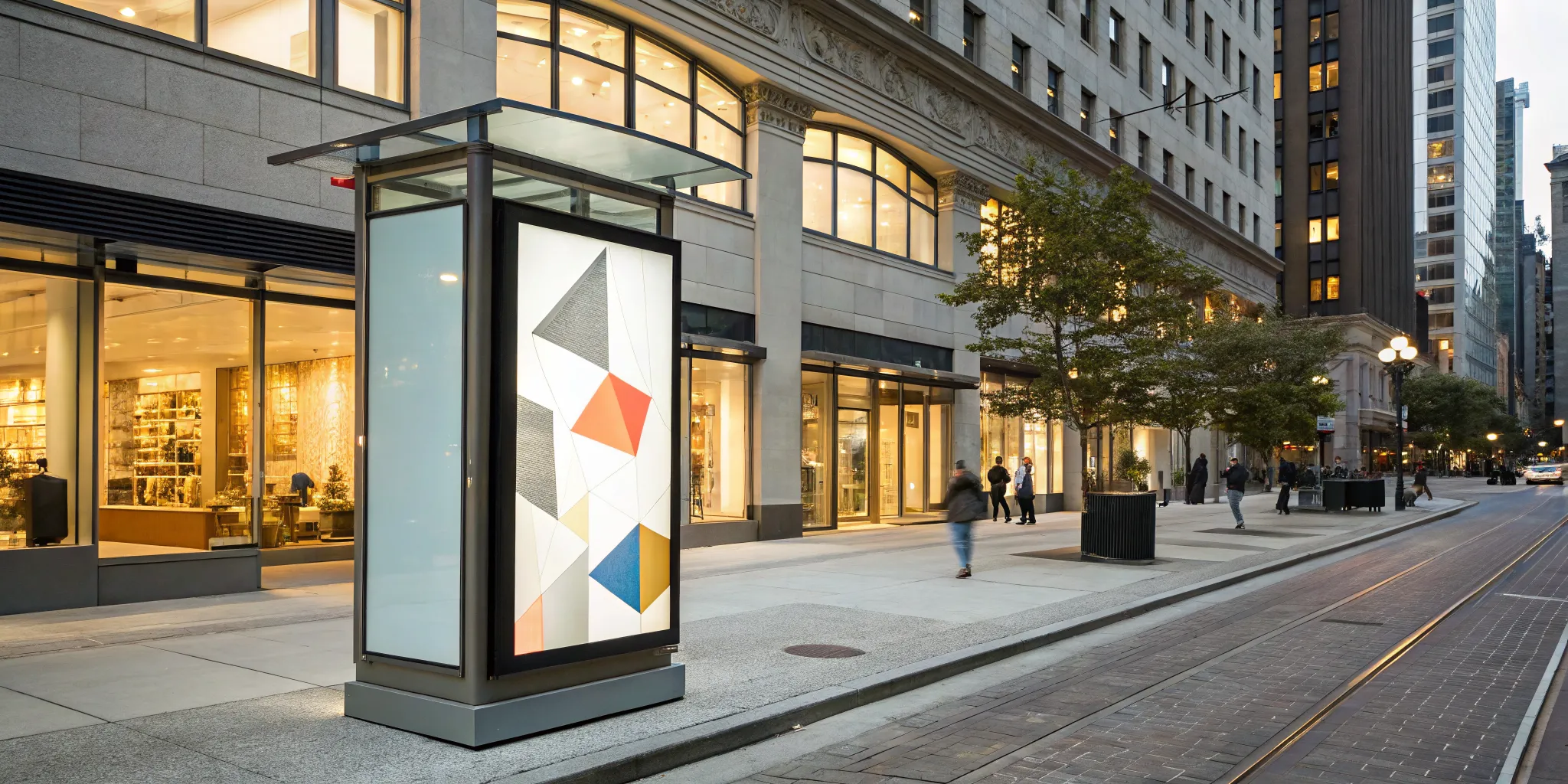
For years, the biggest question surrounding out-of-home advertising was, “How do I know if it’s actually working?” That question is a thing of the past. Modern hyperlocal OOH is a data-driven strategy that bridges the gap between the physical and digital worlds. By leveraging anonymized mobile data, geofencing technology, and comprehensive proof-of-performance reporting, you can now measure the impact of your campaigns with incredible precision. It’s no longer about guessing; it’s about knowing. This guide will demystify the technology behind today’s most effective campaigns and show you how the right hyperlocal ooh advertising services provide the clear, actionable analytics you need to prove ROI and make smarter marketing decisions.
Key Takeaways
- Go beyond general location to reach the right mindset: Hyperlocal OOH places your message in specific venues like fitness centers or medical offices, connecting with people when they are most receptive and making your brand a natural part of their day.
- Connect physical ads to real business outcomes: Modern hyperlocal campaigns use mobile data and performance reporting to measure results, allowing you to track the impact of your ads on foot traffic, website visits, and brand recall.
- Simplify execution with a full-service partner: A successful campaign requires managing many moving parts, from venue selection to installation; the right partner handles all the logistics so you can focus on the results.
What Is Hyperlocal OOH Advertising?
Hyperlocal out-of-home (OOH) advertising is a strategy that focuses on reaching a very specific group of people within a tightly defined geographic area. Instead of targeting an entire city or zip code, hyperlocal campaigns zero in on the blocks, streets, and even individual venues where your ideal customers spend their time. Think less about a massive billboard on a highway and more about a targeted message inside a local coffee shop, fitness center, or medical office.
This approach moves beyond broad awareness to create meaningful connections in specific contexts. It’s about understanding the daily journey of your audience and placing your brand message at key points along that path. By focusing on these high-dwell, high-engagement environments, you can capture the attention of consumers when they are most receptive. This precision allows brands to speak directly to a relevant audience, ensuring that every impression counts and every dollar is spent effectively. It’s a smarter way to use physical media, turning everyday spaces into powerful communication channels.
Hyperlocal vs. Traditional OOH
While traditional OOH advertising like billboards casts a wide net to capture mass attention, hyperlocal advertising uses a spear, not a net. It zeroes in on specific geographic areas to connect with potential customers who are physically nearby. Traditional methods are great for building broad brand recognition, but they often come with a lot of waste, showing your ad to thousands of people who may have no interest in your product.
Hyperlocal OOH, particularly through place-based media, eliminates that inefficiency. By selecting venues that align with your target audience’s lifestyle and habits, you ensure your message is seen by the right people, in the right place, at the right time. This targeted approach is often more cost-effective because you aren’t paying for irrelevant impressions.
The Advantage of Place-Based Targeting
The real power of hyperlocal OOH lies in its ability to deliver contextually relevant advertising. When you place an ad in a specific venue, you’re not just targeting a demographic; you’re reaching people in a particular mindset. For example, a health-conscious consumer is more receptive to a wellness product ad when they see it at their local gym or doctor’s office. This focus on small, local groups allows businesses to make their ads feel more personal and less intrusive.
This strategy helps brands reach new customers without wasting money on ads that miss the mark. Modern, data-driven OOH combines precise location targeting with performance tracking to refine campaign results and demonstrate clear value. It’s about creating a seamless brand experience that feels like a natural part of a consumer’s day.
Why Choose Hyperlocal OOH?
Moving beyond the “what,” let’s get into the “why.” Choosing a hyperlocal OOH strategy isn’t just about targeting a smaller area; it’s about making a bigger impact. By focusing your efforts on specific communities and the places people frequent daily, you can achieve a level of connection that broader advertising methods often miss. This approach allows you to speak directly to the right people, in the right place, at the right time, turning your ad spend into a powerful tool for growth.
Create Greater Relevance and Engagement
When your message appears in a familiar and trusted environment, it feels less like an ad and more like a helpful recommendation. Hyperlocal advertising allows you to tailor your creative to the specific context of a neighborhood or even a single venue. Imagine a health-conscious snack brand advertising in a network of fitness centers or a financial services firm reaching young professionals in co-working spaces. This is the power of place-based media; it meets consumers during meaningful moments when they are relaxed and receptive. Because the message is so relevant to their immediate surroundings and lifestyle, it naturally drives higher engagement and brand recall.
Maximize Your Budget
Every dollar counts, and hyperlocal OOH ensures your budget works smarter, not just harder. Instead of paying premium prices to reach a massive, undefined audience with traditional billboards, you can concentrate your spend on the specific zip codes, blocks, or even buildings that matter most to your brand. This precision eliminates waste by targeting only the people most likely to become customers. This cost-effective approach means lower costs per impression and a higher potential for a strong return on investment. You’re not just shouting into the void; you’re starting a conversation in the right room.
Build Local Brand Awareness
Consistency is key to building a memorable brand, and hyperlocal OOH is a fantastic tool for creating that consistent presence at a community level. When people see your brand repeatedly in the places they visit every day, like their local coffee shop, doctor’s office, or community center, it builds a powerful sense of familiarity and trust. This strategy is especially effective for direct-to-consumer brands looking to establish a physical footprint and for national brands aiming to cultivate a local feel. Over time, this sustained visibility helps your brand become a recognized and trusted part of the local landscape, making it the first one people think of when they have a need.
Integrate with Mobile Technology
Modern OOH advertising doesn’t exist in a vacuum. It works hand-in-hand with digital strategies to create a seamless customer experience. Hyperlocal campaigns can be amplified using mobile data to retarget audiences who were exposed to your physical ads. For example, you can use geofencing to serve a follow-up digital ad to someone’s phone after they leave a venue where your ad was displayed. This powerful combination reinforces your message and makes it easy for consumers to take the next step, whether it’s visiting your website or searching for your nearest location. It’s a perfect way to bridge the gap between physical-world awareness and digital-world action.
Common Hyperlocal OOH Misconceptions
Hyperlocal out-of-home advertising is a powerful tool, but it’s often misunderstood. Let’s clear up a few common myths that might be holding your campaigns back from their full potential. By separating fact from fiction, you can make more informed decisions and find new opportunities to connect with your ideal audience where they live, work, and play.
Myth: It’s Only for Small Businesses
It’s easy to see why people associate “hyperlocal” with “small.” While local businesses certainly benefit, this strategy is just as critical for regional and national brands. Think of it this way: large brands are trying to win over customers one community at a time. Hyperlocal OOH allows them to tailor their message to specific neighborhoods, demographics, and even individual venues. This level of precision makes a national campaign feel personal and relevant. Effective hyperlocal marketing strategies aren’t about the size of your business; they’re about the focus of your targeting.
Myth: Digital Is Always Better
Digital advertising is an essential part of any modern marketing mix, but it isn’t the only part. Consumers are exposed to thousands of digital ads every day, leading to screen fatigue and banner blindness. Place-based OOH cuts through that noise by offering a physical, tangible presence in the real world. An ad in a fitness center, doctor’s office, or community hub reaches a captive audience when they are relaxed and receptive. Instead of viewing them as competitors, think of digital and physical media as complementary channels that reinforce each other for a more effective, integrated campaign.
Myth: The Results Are Hard to Measure
This might have been true a decade ago, but the measurement capabilities for OOH have come a long way. The old days of estimating reach based on traffic counts are over. Today, we can provide concrete proof-of-performance reports, complete with photos and affidavits for every single placement. By integrating with mobile data, we can also track metrics like foot traffic lift and brand recall. While there will always be unique challenges of Out-of-Home advertising, modern hyperlocal partners provide the clear, actionable data you need to prove ROI.
Myth: It’s Too Niche for a Real Impact
Some marketers worry that focusing on a small geographic area will limit their campaign’s impact. In reality, the opposite is true. A broad, untargeted campaign wastes impressions on people who will never become customers. Hyperlocal OOH is about precision and relevance. By concentrating your budget on a specific, high-value audience, you ensure every ad dollar works harder. Using behavioral targeting in OOH allows you to reach the right people in the right context, creating a much stronger connection and driving more meaningful results than a scattergun approach ever could.
Understanding the Hyperlocal OOH Landscape
When you start looking for a partner to run a hyperlocal OOH campaign, you’ll find that providers come in a few different flavors. Each type of company offers a unique approach, and the right fit depends entirely on your campaign goals, your team’s resources, and the scale you want to achieve. Some partners are massive, full-service operations that manage everything for you from a national level, while others are smaller, specialized agencies or tech platforms that give you the digital tools to build campaigns yourself.
Understanding these differences is the first step toward making a smart investment. Are you looking for a hands-on partner with an extensive, exclusive network of venues that can execute a campaign across multiple markets? Or do you need a regional expert who lives and breathes a single city? Perhaps a tech platform that integrates with your existing digital strategy is a better fit. The landscape can seem complex, but it generally breaks down into three main categories. Let’s walk through each one so you can identify the kind of partner that aligns with your brand’s needs and sets your campaign up for success.
Full-Service, Place-Based Specialists
Full-service specialists are your turnkey partners for hyperlocal advertising. These companies, like us at All Points Media, manage every single detail of your campaign from start to finish. This includes developing the initial strategy, selecting the perfect venues, handling all the printing and logistics, managing the installation, and providing detailed proof-of-performance reports. They specialize in place-based media, giving you access to exclusive networks of high-dwell-time locations like fitness centers, medical offices, and restaurants that traditional billboard companies can’t reach. This model is ideal for agencies and brands that want expert guidance and flawless execution without the headache of managing multiple vendors.
Boutique and Regional Agencies
Boutique and regional agencies are often smaller firms that offer deep expertise within a specific city or geographic area. A hyperlocal marketing agency like this is a great resource for brands focusing their efforts on a single market or for local franchises that need to connect with their immediate community. They typically have strong relationships with local venues and a nuanced understanding of the neighborhood culture. While they may not have the nationwide scale of a full-service specialist, their concentrated focus can be a major advantage for campaigns that require an intensely local touch and on-the-ground knowledge.
Technology-First Platforms
Technology-first platforms bring a digital-centric approach to the physical world. These companies focus on programmatic buying and data integration, often centered around digital out-of-home (DOOH) screens. They use mobile data and geofencing to serve ads on digital displays in public spaces, from bus stops to shopping malls. This option is a strong choice for tech-savvy marketing teams who are comfortable managing campaigns through a digital interface and want to leverage real-time data for targeting and optimization. However, the trade-off is often less hands-on support and a focus on digital screens rather than a diverse network of static, place-based media formats.
The Tech Behind Hyperlocal OOH Campaigns
Hyperlocal out-of-home advertising is much more than just placing a sign in a specific neighborhood. Today’s most effective campaigns are powered by a sophisticated technology stack that bridges the gap between the physical and digital worlds, turning everyday spaces into powerful communication channels. This technology allows for a level of precision, relevance, and measurement that was once impossible in traditional OOH. By integrating data and digital capabilities, hyperlocal campaigns can reach the right people at the right time with a message that truly resonates. This approach transforms static ads into dynamic, responsive touchpoints that fit seamlessly into a modern, omnichannel marketing strategy. It’s about using technology not for its own sake, but to create more meaningful connections with people in the places they frequent every day. When done right, the tech works behind the scenes, making the brand message feel like a natural and helpful part of the consumer’s environment. From using mobile data to understand foot traffic patterns to serving dynamic creative that changes with the weather, technology is the engine that drives modern place-based media forward, delivering smarter campaigns and better results.
Using Mobile Data and Geofencing
To achieve true hyperlocal precision, we first need to understand how people move through the physical world. Anonymized mobile location data provides powerful insights into audience behavior, revealing high-traffic venues and peak activity times within a specific community. This data-driven approach ensures that ad placements are chosen based on verified audience presence, not just guesswork. Beyond planning, geofencing technology creates a virtual perimeter around your physical ads. When a mobile device enters this area, it can trigger a corresponding digital ad, reinforcing your message and creating a powerful one-two punch that guides consumers along their path to purchase.
Connecting with Programmatic Platforms
The rise of digital out-of-home (DOOH) has brought the efficiency and flexibility of digital buying to the world of physical media. Through programmatic advertising, media buyers can automate the purchase of ad space on digital screens in venues like gyms, medical offices, and restaurants. This allows agencies to use familiar platforms and data sets to manage OOH alongside their other digital campaigns. It also enables more responsive strategies, where ad buys can be adjusted in near real-time based on performance, audience data, or changing market conditions. This integration makes hyperlocal OOH a more accessible and agile component of any media mix.
Leveraging Dynamic Digital Displays
Digital screens do more than just display a static image; they open up a world of creative possibilities. Dynamic digital displays allow your message to adapt to its specific context, making it far more relevant and eye-catching. Imagine a coffee shop ad that promotes iced lattes when the temperature rises above 80 degrees, or a QSR ad that switches from a breakfast to a lunch menu at 11 a.m. This is all possible with dynamic creative. By connecting displays to real-time data feeds, your ads can reflect local weather, current events, or even sports scores, ensuring your message always feels fresh and timely.
Putting Real-Time Data to Work
The most advanced hyperlocal campaigns use real-time data to create truly immersive and interactive experiences. Beyond simple triggers like time or weather, digital displays can integrate live social media feeds, traffic updates, or countdowns to a local event. This transforms the ad from a simple broadcast into a useful and engaging piece of content. Some brands are even experimenting with QR codes that launch augmented reality (AR) experiences, inviting direct interaction from viewers. By putting real-time data to work, you can deliver messages that are not only seen but also experienced, creating a more memorable and impactful connection with your local audience.
Which Businesses Benefit Most from Hyperlocal OOH?
While almost any brand can find value in a targeted campaign, certain industries see exceptional results from hyperlocal OOH advertising. Businesses that depend on a strong local customer base are perfectly positioned to use this strategy to build awareness, drive foot traffic, and foster community ties. If your success is measured by your connection to a specific neighborhood or service area, hyperlocal OOH is a powerful tool for growth.
Retail and QSR Brands
For retail stores and quick-service restaurants, success is all about location. Hyperlocal advertising allows you to reach potential customers within a few blocks or streets of your business, turning neighbors into regulars. By placing ads in high-dwell environments where people in the community live and work, like local fitness centers or office building lobbies, you can capture their attention during their daily routines. This targeted approach helps you stay top-of-mind, announce promotions to a relevant audience, and drive immediate foot traffic in a way that broader advertising simply can’t match.
Healthcare and Professional Services
Trust and convenience are critical for healthcare providers, dentists, lawyers, and other professional services. Hyperlocal OOH helps you build visibility and credibility within your specific service area, ensuring you’re the first one people think of when they need help. This strategy is incredibly efficient, focusing your budget on reaching potential patients and clients nearby without wasting money on ads seen by the wrong people. A well-placed campaign builds the local brand recognition that pays off when someone performs a “near me” search, making you the familiar and trusted choice in the community.
Local Government and Community Organizations
When you need to share important information with the public, getting the message to the right people is essential. Local governments, public health departments, and community groups can use hyperlocal OOH to deliver critical communications effectively. Whether it’s promoting a public health initiative, announcing a town hall meeting, or encouraging participation in a local event, place-based media ensures your message is seen by the specific communities it’s meant to serve. Placing ads in trusted local venues like libraries, community centers, and clinics helps your announcement feel like a helpful part of the neighborhood conversation.
How a Hyperlocal OOH Campaign Works
Launching a successful hyperlocal out-of-home campaign is a strategic process that goes far beyond simply placing an ad. It’s a thoughtful, multi-step journey designed to connect your brand with the right audience in the right context. When you work with a full-service partner, you get a team that handles every detail, from initial strategy to final reporting. This turnkey approach ensures your message is not only seen but also resonates with consumers during key moments in their daily routines.
The entire process is built on a foundation of deep local knowledge and data-driven insights. It starts with understanding your specific goals, whether that’s driving foot traffic to a new retail location, building brand awareness in a key neighborhood, or promoting a local event. From there, a dedicated team manages the four key phases of the campaign: selecting the perfect venues, building a custom advertising network, executing the campaign flawlessly, and delivering clear, actionable performance reports. This structured approach removes the guesswork and lets you focus on the results.
Selecting Strategic Venues
The first step is identifying the physical locations where your target audience spends their time. Hyperlocal advertising focuses on reaching a very specific group of people in a defined local area, like the blocks surrounding a specific store or within a particular residential community. The key is to choose place-based media locations that offer high-dwell time and a receptive audience. Think about places like fitness centers, medical offices, community hubs, and local cafes. These are environments where consumers are relaxed and engaged, making them more open to your message than they would be while driving past a billboard.
Building a Custom Network
Once the types of venues are identified, the next step is to build a custom network tailored to your campaign’s unique goals. This isn’t a one-size-fits-all solution. Instead, a strategic partner will construct a network from the ground up based on your specific geographic needs, whether you want to target a few zip codes, a five-mile radius around your business, or an entire city. This level of customization ensures your advertising budget is spent efficiently, reaching only the most relevant consumers and eliminating wasted impressions. It’s a precise approach that aligns physical ad placements with your ideal customer profile.
Executing and Managing the Campaign
With the strategy and network in place, it’s time for execution. A full-service partner manages all the logistics, from professional print production and shipping to nationwide installation and ongoing campaign management. This means you don’t have to worry about coordinating with dozens of individual venues or vendors. Whether your campaign uses static posters in a doctor’s office or dynamic digital screens in a gym, the entire process is handled for you. This seamless management ensures your creative is displayed correctly and your campaign runs smoothly from start to finish, allowing for a consistent and professional brand presence across all locations.
Reporting on Performance
Finally, a critical part of any hyperlocal campaign is understanding its impact. Modern OOH is more measurable than ever, and a good partner will provide comprehensive proof-of-performance reporting. This goes beyond a simple photo of the ad placement. You’ll receive detailed reports that verify installation across your entire network and provide insights into campaign effectiveness. By integrating data from various sources, you can get a clearer picture of how your OOH efforts are contributing to your overall marketing goals, helping you attribute outcomes to specific placements and optimize your strategy for future campaigns.
Common Challenges in Hyperlocal OOH
While hyperlocal OOH offers incredible advantages, it’s not without its complexities. Executing a successful campaign requires a clear understanding of the potential hurdles you might face. From pinpointing the right audience to proving your campaign’s impact, these challenges highlight why strategy and expertise are so critical. Let’s walk through some of the most common obstacles and how to think about them.
Targeting a Fragmented Audience
Today’s consumers are constantly on the move, and their attention is split across countless digital and physical channels. This audience fragmentation makes it incredibly difficult to reach your ideal customers with a single, broad message. A person who sees a billboard on their morning commute might spend their lunch break scrolling social media and their evening at a local gym. A successful hyperlocal strategy depends on understanding these varied behaviors and placing your message in the specific environments where your target audience spends their time, ensuring your ad is seen by the right people at the right moment.
Measuring True Attribution
One of the longest-standing questions in advertising is how to accurately measure campaign effectiveness. For OOH, attributing a physical ad view to a later action, like a store visit or an online purchase, can be particularly tricky. While new technologies like mobile data and geofencing have made OOH attribution more sophisticated, it remains a significant challenge. Without a clear framework for tracking results, it’s tough to calculate your true return on investment and optimize future campaigns. This is why working with a partner who provides clear, data-backed performance reporting is essential.
Cutting Through the Noise
We are all exposed to hundreds, if not thousands, of ads every single day. This constant stream of information has trained many of us to tune out marketing messages, creating a significant challenge for brands trying to make a genuine connection. To be effective, a hyperlocal OOH ad can’t just be another piece of background noise. It needs to be contextually relevant and engaging enough to capture attention. An ad for a new protein shake inside a fitness center, for example, is far more likely to resonate than a generic billboard on a busy highway.
Bridging the Expertise Gap
Executing a hyperlocal OOH campaign involves much more than just designing an ad and picking a location. It requires strategic venue selection, logistical coordination for installation, ongoing campaign management, and detailed performance analysis. Many businesses, especially those with smaller marketing teams, simply don’t have the specialized in-house expertise to manage these moving parts effectively. This gap in marketing knowledge can prevent them from getting the most out of their campaigns, making a full-service partner an invaluable asset.
How to Choose the Right Hyperlocal OOH Partner
Finding the right partner is the most critical step in launching a successful hyperlocal out-of-home campaign. The best partners act as an extension of your team, bringing strategic expertise and a proven process to the table. As you evaluate your options, focus on four key areas: the quality of their venue network, their targeting capabilities, their management style, and how they report on results. Getting these right will ensure your campaign is built on a solid foundation from day one.
Venue Network Quality and Coverage
A partner’s value starts with their venue network. Look beyond sheer numbers and ask about the quality and relevance of their locations. The goal is to connect with people in high-dwell, high-engagement environments where they are most receptive to your message. A strong partner offers a diverse portfolio of place-based media options, from fitness centers and medical offices to restaurants and community hubs. This ensures you can reach specific audiences in the context of their daily lives, creating more meaningful interactions than a roadside billboard ever could. A quality network gives you the precision to place your brand in the right place at the right time.
Advanced Targeting Capabilities
Effective hyperlocal advertising goes deeper than just picking a zip code. Your partner should use advanced targeting capabilities to identify the exact locations that align with your audience’s behavior and lifestyle. By leveraging data on consumer patterns, a skilled partner can build a custom network that reaches your ideal customers with minimal waste. This hyperlocal strategy allows you to focus your budget on locations frequented by people who are most likely to engage with your brand. It’s about finding pockets of opportunity where your message will resonate most, turning physical locations into powerful touchpoints for your campaign.
End-to-End Campaign Management
A great hyperlocal OOH partner simplifies the entire process for you. Look for a team that offers end-to-end campaign management, handling everything from initial strategy and venue selection to creative production, installation, and ongoing oversight. This turnkey approach means you have a single point of contact and complete accountability, which saves you time and prevents details from falling through the cracks. A partner who manages the entire lifecycle of your campaign ensures every element works together cohesively. This allows you to focus on the big picture while they handle the complex logistics of executing a flawless out-of-home campaign.
Actionable Analytics and Reporting
Don’t let anyone tell you that OOH advertising is impossible to measure. A modern hyperlocal partner should provide clear, actionable analytics and comprehensive reporting to prove campaign effectiveness. This includes detailed proof-of-performance reports with photos and affidavits of installation for every single location. Beyond that, look for partners who offer real-time monitoring and data insights that connect your physical ads to digital actions. With the right tools, you can track your campaign’s reach and impact, giving you the confidence and the data needed to justify your investment and inform future strategies.
How to Launch Your First Hyperlocal OOH Campaign
Getting your first hyperlocal out-of-home campaign off the ground is more straightforward than you might think. It’s all about having a clear, strategic plan from the start. By breaking the process down into manageable steps, you can create a campaign that connects with the right people in the right places, without the guesswork. Think of it as building a foundation: a solid plan ensures every dollar you spend works harder to achieve your goals. Let’s walk through the essential steps to get your campaign up and running.
Plan Your Campaign Essentials
First things first, you need to define what you want to accomplish. Are you aiming to build brand awareness in a new neighborhood, drive foot traffic to a specific store, or promote a limited-time offer? Your primary goal will shape every other decision. Next, get crystal clear on who you’re trying to reach. Hyperlocal advertising is all about precision, so think beyond broad demographics. Consider their daily routines, where they spend their time, and what matters to them. This focus helps you place ads right where potential customers are, ensuring your message feels relevant instead of random. Finally, craft a simple, compelling message that can be understood in a glance.
Set Your Budget and Define ROI
With your core plan in place, it’s time to talk numbers. One of the biggest advantages of hyperlocal OOH is its efficiency. You can reach your target audience without wasting money on impressions outside your key service areas. Determine a realistic budget that aligns with your campaign goals. From there, define what success looks like. Your key performance indicators (KPIs) could include tracking website traffic from a specific zip code, measuring coupon code redemptions, or using location data to see an uptick in store visits. A good turnkey advertising partner will provide detailed proof-of-performance reports to help you connect your campaign to tangible business results.
Create a Timeline and Optimization Plan
A well-defined timeline keeps your campaign on track from start to finish. Map out key phases, including venue selection, creative development, printing, installation, and the campaign flight dates. But a great campaign doesn’t just run; it evolves. Plan to review performance data throughout the campaign. Are certain locations performing better than others? Is your call to action resonating? Using real-time data from dynamic digital displays can provide valuable insights for making adjustments. This allows you to refine your strategy and ensure your message continues to connect effectively with your local community.
Related Articles
- What Is Custom OOH Advertising? A Full Guide
- Best Advertising for Local Service Businesses: A Guide
- Why Partner with a Full Service OOH Advertising Agency?
- 12 Ways to Reach Customers in Specific Neighborhoods
Frequently Asked Questions
How do I know my ads are actually running in the right places? This is a completely fair question, and proof of performance is non-negotiable. A reliable partner provides comprehensive reporting that includes photos and signed affidavits for every single placement in your campaign. This ensures you have clear, verifiable documentation that your ads are displayed correctly in the exact venues you selected, giving you total confidence in your investment.
How specific can the targeting get? Are we talking zip codes or something smaller? We can get much more specific than just zip codes. Hyperlocal targeting allows you to zero in on the blocks, streets, and even individual buildings that matter most to your brand. We can build a custom network of venues within a one-mile radius of your new store, for example, or focus exclusively on fitness centers within a particular residential community. It’s about precision, not just proximity.
Is hyperlocal OOH just static posters, or are digital options available? While static posters in high-dwell environments are incredibly effective, the landscape also includes dynamic digital screens. These digital displays open up more creative possibilities, allowing your message to adapt to factors like the time of day or even the weather. The best strategy often involves a mix of both, using the right format for the right venue to capture attention effectively.
My brand is national. Why would I use a hyperlocal strategy? Even national brands need to win customers one community at a time. A hyperlocal strategy allows you to make your national campaign feel personal and locally relevant. Instead of a generic message, you can tailor your creative to specific neighborhoods, reaching distinct audiences in the places they frequent daily. This approach builds familiarity and trust at a grassroots level, making your brand a part of the local conversation.
What’s the difference between working with a full-service partner and just buying ads myself? The main difference is having an expert team manage all the complex details for you. A full-service partner handles everything from the initial strategy and venue selection to printing, installation, and performance reporting. This saves you from the logistical headache of coordinating with dozens of individual locations and ensures your campaign is executed flawlessly and professionally from start to finish.