
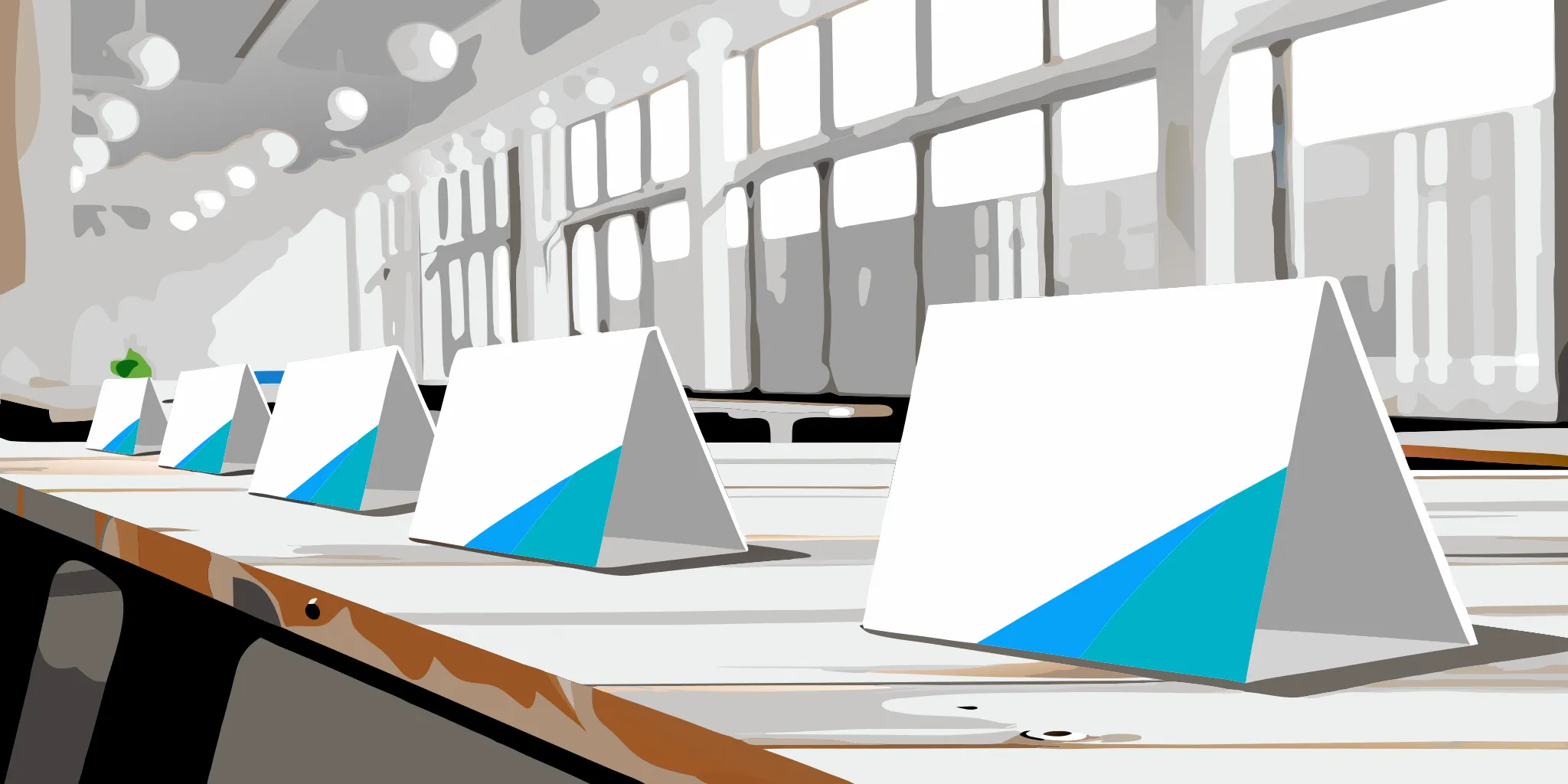
How do you reach customers when they’ve tuned out online ads? You connect with them in the real world, during moments when they are relaxed and receptive. This is the core strength of a well-executed place-based media strategy, and table tents are one of its most effective tools. Placed in high-dwell environments like cafes, fitness centers, and community hubs, these miniature billboards command attention without being intrusive. They offer a direct line to your target audience when they have time to spare. From design and placement to tracking your results, we’ll cover how to make table tents a powerful part of your marketing mix.
Key Takeaways
- Choose Your Venues Strategically: The power of a table tent comes from its context. Place your ads in high-dwell environments like restaurants, waiting rooms, and fitness centers to connect with a receptive audience when they have time to engage with your message.
- Design for Action, Not Just Awareness: A successful table tent prompts an immediate response. Combine clean visuals and a direct call-to-action with interactive elements like QR codes to connect your physical ad to measurable digital results.
- Partner for a Seamless Execution: A great concept requires flawless logistics. Working with a full-service partner simplifies the entire process, handling everything from material selection and printing to nationwide installation and performance tracking.
What Is a Table Tent?
You’ve seen them everywhere: on restaurant tables, at the gym check-in counter, or in a doctor’s office waiting room. A table tent is a self-standing sign, typically made from folded cardstock, that sits directly in a customer’s line of sight. Its simple, tent-like shape allows it to display information on both sides, making it a versatile and cost-effective advertising tool. While they may seem basic, table tents are a powerful format for brands looking to connect with consumers in a specific time and place, away from the noise of digital ads and massive billboards. They offer a direct, uncluttered line of communication when your audience is most receptive.
Their Purpose in Your Marketing Mix
At its core, a table tent is designed to capture attention and deliver a concise message. For marketers and media buyers, its purpose is to act as a miniature billboard in a highly targeted environment. It’s an excellent tool for driving immediate action, whether you’re promoting a limited-time offer, announcing a new product, or sharing important information. Table tents are also fantastic for brand building. By consistently displaying your logo, brand colors, and key messaging, you reinforce your brand identity at the point of engagement. Adding a QR code can seamlessly connect your physical ad to your digital channels, directing customers to your website, social media, or a special landing page.
How They Work as Place-Based Media
Table tents are a prime example of effective place-based media. Their strength isn’t just in the message, but in the context of where that message is seen. Placing a table tent in a relevant venue allows you to reach a captive audience during moments of high dwell time. Think about a diner waiting for their meal or a client in a salon lobby. In these moments, they are relaxed and open to their surroundings. This is where your message can truly land. By integrating interactive elements, you can foster a direct connection with consumers, encouraging them to scan a code, follow you on social media, or sign up for a newsletter, turning a moment of passive waiting into an active brand engagement.
Why Use Table Tents for Your Campaign?
In a world saturated with digital ads, sometimes the most effective way to reach someone is to meet them where they are, in the physical world. Table tents are a surprisingly powerful tool for doing just that. They cut through the online noise and place your message directly in front of a potential customer during moments when they are relaxed, attentive, and open to new information. Think of them not just as folded pieces of cardstock, but as strategic, miniature billboards that command attention in high-traffic, high-engagement spaces.
As a core component of a place-based media strategy, table tents offer a unique advantage. They allow you to deliver a targeted message with precision, reaching specific demographics in the environments they frequent most. Whether your goal is to drive immediate sales with a special offer, build brand awareness, or gather valuable customer feedback, table tents provide a tangible and interactive touchpoint. They work because they integrate seamlessly into the consumer’s environment, becoming part of their experience rather than an interruption. This subtle approach makes your message feel more like a helpful suggestion and less like a hard sell, creating a more positive brand association.
Reach Captive Audiences in High-Dwell Environments
The real power of a table tent lies in its placement. These ads are designed for high-dwell environments, places where people spend a significant amount of time sitting down. Think about restaurant tables, coffee shop counters, hotel lobbies, waiting rooms, and break rooms. Unlike a billboard someone drives past in seconds, a table tent sits within arm’s reach of your audience for several minutes, or even longer. This extended exposure gives your message a genuine opportunity to be seen, read, and absorbed. You’re not fighting for a split-second of attention; you’re connecting with a captive audience when they have time to spare and fewer distractions.
Drive Targeted Promotions and Lift Sales
Table tents are the perfect vehicle for a direct call-to-action. Because they are placed at or near the point of decision-making, they can effectively influence consumer behavior and drive immediate sales. You can use them to advertise a limited-time offer, highlight a new menu item, or promote a seasonal special. By including a QR code, you can seamlessly bridge the gap between the physical ad and your digital channels. A quick scan can lead customers to a landing page, an online menu, a social media profile, or an exclusive discount. This not only makes your campaign interactive but also provides a clear way to track engagement and measure your return on investment.
Strengthen Your Brand at the Point of Engagement
Beyond driving promotions, table tents are excellent for building brand affinity. They act as a constant, subtle reminder of your brand’s presence, reinforcing your identity right where your customers are. Consistent use of your logo, brand colors, and messaging helps build familiarity and trust over time. This is your chance to communicate your brand’s personality and values in a space where you have your audience’s undivided attention. By being a consistent presence in the places your target audience loves to be, you create a positive association and keep your brand top of mind. It’s a simple yet effective way to strengthen your brand at the most crucial point: the point of engagement.
Exploring the Different Types of Table Tents
When you think of a table tent, a simple folded piece of cardstock probably comes to mind. While that’s a classic for a reason, the world of table tents is much broader and more strategic than you might think. The material, shape, and construction you choose can dramatically affect your campaign’s impact, durability, and overall feel. A flimsy paper tent might work for a one-day special, but it won’t hold up for a three-month brand awareness campaign in a busy fitness center. Understanding your options is the first step in matching your message to the right medium and ensuring it connects with your audience in any environment.
Think of it as choosing the right tool for the job. Each type offers different advantages, from cost-effectiveness for massive rollouts to premium materials that make a lasting impression. As a full-service partner, we help our clients select the perfect format to achieve their specific goals, whether that’s driving QR code scans in a restaurant or building brand trust in a doctor’s office. Let’s look at the most common types you can use for your next place-based media campaign and figure out which one is the perfect fit for your brand.
Paper and Cardstock
The most common and budget-friendly option is the classic paper or cardstock table tent. These are typically printed flat and scored for easy folding into a self-standing A-frame or three-sided triangle. Their biggest advantage is cost-effectiveness, making them perfect for large-scale campaigns, short-term promotions, or situations requiring frequent message updates, like seasonal specials in a restaurant. While they are incredibly versatile and easy to produce, they are also the least durable. In high-traffic areas or environments prone to spills, they can get damaged quickly. For a media buyer, this means they are an excellent choice for testing creative or running time-sensitive offers across a wide network of locations.
Durable Acrylic and Plastic Holders
For a more permanent and polished presentation, acrylic or plastic holders are a fantastic choice. These are sturdy, transparent frames, usually in an L-shape or T-shape, that hold a printed paper insert. The holder protects the advertisement from spills and wear, giving it a much longer lifespan. This reusability makes them a smart investment for venues and a great foundation for long-term advertising partnerships. You can simply swap out the printed inserts for new campaigns without replacing the entire unit. This approach lends a professional look to your message and is ideal for branding campaigns that need to maintain a quality appearance over several months.
Custom Shapes and Specialty Materials
If you want your message to truly stand out, consider moving beyond standard formats with custom shapes and materials. Table tents can be die-cut into unique shapes that reflect your brand’s logo, a specific product, or a creative theme. Imagine a table tent shaped like a smartphone for a tech company or a coffee cup for a café. Materials can also go beyond paper and plastic; options like wood, metal, or leatherette can create a premium, tactile experience for the consumer. While these custom options come with a higher price tag and longer production lead times, they deliver a powerful “wow” factor that makes your brand more memorable.
How to Design a Table Tent That Converts
A great table tent does more than just sit there; it starts a conversation. In a high-dwell environment, you have a unique opportunity to connect with a captive audience, but your design has to work hard to earn that attention. An effective table tent balances eye-catching visuals with a clear, compelling message that encourages people to take the next step. Think of it as your silent salesperson, working to engage customers when they are most receptive. Getting the design right is the key to turning a passive glance into an active conversion.
The most successful table tent designs are built on a foundation of clarity and purpose. Before you even think about colors or fonts, you need to define the single most important action you want someone to take. Is it to scan a QR code? Ask about a special? Visit your website? Every design choice should support that one goal. In environments where people are relaxed and their attention isn’t fragmented, like in a doctor’s waiting room or a local cafe, you have a chance to make a real impression. This is where place-based media shines. Your design must respect the viewer’s time and context by being immediately understandable and valuable. A cluttered, confusing table tent is just noise, but a clean, focused design can be a powerful driver for your campaign.
Focus on Strong Visuals and Color
In a busy setting like a restaurant or a waiting room, your table tent has seconds to grab someone’s attention. This is where strong visuals and smart color choices come into play. Use high-quality images and graphics that are clean, bold, and directly related to your message. Stick to your brand’s color palette to maintain consistency and build recognition. The goal is to create a design that is visually appealing enough to make someone pause and pick it up. Remember, the visual elements are the hook; they create the initial interest that invites the viewer to read your message. A well-chosen visual hierarchy guides the eye from your main image directly to your key message and call-to-action.
Write a Clear Message and Call-to-Action
Once you have their attention, your message needs to be understood instantly. Table tents have limited space, so every word counts. Lead with a powerful headline that clearly communicates the main benefit or offer. Keep your supporting text brief and to the point, using simple language that is easy to scan. Most importantly, include a direct and compelling call-to-action (CTA). Tell your audience exactly what you want them to do next, whether it’s “Scan to See the Menu,” “Ask Your Server for a Sample,” or “Follow Us on Instagram.” A clear call-to-action removes any guesswork and makes it easy for customers to engage with your brand right then and there.
Incorporate Interactive Elements (Like QR Codes)
The best table tents bridge the gap between the physical and digital worlds. By adding a QR code, you give customers a simple, immediate way to interact with your brand using their smartphones. This small square can be a gateway to a wealth of experiences. You can link a QR code to a special landing page, a video, a contest entry form, your social media profiles, or an exclusive discount. This not only enhances the customer experience but also provides valuable, trackable data for your campaign. It’s a powerful way to extend the conversation and measure engagement, turning a static ad into an interactive marketing tool.
Common Design Mistakes to Avoid
Even a great offer can fail if the design gets in the way. One of the biggest mistakes is clutter. A table tent packed with too much text and too many images will overwhelm the viewer, causing them to tune out completely. Use white space to give your design elements room to breathe. Another common pitfall is poor readability. Choose clean, legible fonts and ensure there is enough contrast between your text and the background. Finally, avoid a weak or missing call-to-action. If you don’t tell people what to do, they won’t do anything. By avoiding these common design mistakes, you ensure your message is seen, understood, and acted upon.
Where to Place Table Tents for Maximum Impact
The right placement is just as important as the right design. Table tents perform best in environments where people have time to sit, wait, and absorb the message in front of them. By choosing venues that align with your campaign goals and target audience, you can connect with consumers during moments when they are most receptive. Let’s look at some of the most effective locations for a table tent campaign.
Restaurants, Bars, and Hospitality Venues
These venues are the classic home for table tents for a good reason. Patrons in restaurants, bars, and hotel lobbies are a captive audience with significant dwell time. Businesses can place them directly on tables where customers gather, making them impossible to miss. Use them to showcase daily specials, promote upcoming events, or share a drink menu. Because they can be printed on both sides, you get two chances to grab attention. This direct line of communication is a core strength of place-based media, allowing you to reach people when they are relaxed and open to new information, whether they’re waiting for a meal or checking into a hotel.
Retail and Point-of-Sale Locations
Placing table tents near the cash register or on service counters puts your message at the final point of a customer’s journey. This is a prime spot to influence last-minute purchase decisions or encourage sign-ups for a loyalty program. To make the most of this placement, include interactive elements. Adding a QR code that links to your brand’s social media accounts can enhance customer engagement and build a connection that lasts long after the customer leaves the store. It’s a simple way to turn a transactional moment into a relational one, encouraging repeat business and brand affinity.
Healthcare Facilities and Fitness Centers
Waiting rooms, reception desks, and gym common areas offer a unique context for advertising. In healthcare facilities and fitness centers, you can connect with an audience actively thinking about their well-being. Table tents are an effective, non-intrusive way to share important health information, promote new services, or advertise relevant wellness products. Placed in these high-dwell areas, your message can educate and inform patients and members while they wait for an appointment or cool down after a workout. This targeted approach ensures your campaign resonates with a receptive audience, making it a powerful tool for health and wellness brands.
Conferences, Trade Shows, and Events
Events are bustling environments where clear communication is key. Table tents are perfect for guiding attendees and conveying information efficiently. You can use them on registration tables, dining tables during breakout sessions, or at your own booth to stand out. They are great for displaying event schedules, promoting special sessions, or featuring sponsor information. A well-placed table tent with a compelling call-to-action, like a QR code for a giveaway, can drive significant foot traffic to a specific booth. As a versatile marketing tool, they help you make a memorable impression on attendees in a crowded and competitive space.
What to Consider Before You Launch
You’ve got a killer design and a clear call-to-action. You’re ready to see your table tents out in the wild, grabbing attention and driving results. But before you hit the print button, it’s time to shift from creative strategy to logistical planning. A successful campaign isn’t just about great creative; it’s about smart execution. Thinking through the physical materials, your production partners, and your budget will make the difference between a smooth launch and a stressful one. These final details ensure your message not only looks good but also gets into the right hands, in the right places, without any last-minute surprises.
Unlike a digital ad that can be tweaked after launch, a physical media campaign requires getting it right the first time. The choices you make now will directly impact how your audience perceives your brand and how effective your investment is. Will the material stand up to a busy restaurant environment? Is your partner capable of not just printing but also distributing and installing your assets across a wide network of venues? Have you accounted for all the costs involved, from the first print run to the final placement? Answering these questions beforehand helps you avoid common pitfalls and ensures your campaign runs like a well-oiled machine. Let’s walk through the key considerations that will set your campaign up for success from the very start.
Select the Right Materials and Size
The look and feel of your table tent say a lot about your brand. You can find them made from various materials, including paper, cardstock, clear acrylic, and even wood, so choose one that aligns with your campaign’s tone. A high-end restaurant might call for a durable acrylic holder, while a quick-service spot could use a simple, coated cardstock. Size is another key factor. Common options like 4×6 or 5×7 inches work well in most spaces without overwhelming the table. A larger 8.5×11 inch format might be perfect for a detailed menu or promotion in a less cluttered environment. Think about where your ad will live and choose a size and material that feel right at home there.
Find a Reliable Print and Placement Partner
Your campaign is only as strong as the team executing it. A great design can fall flat if the printing is low-quality or the distribution is unreliable. You need a partner who can deliver crisp, professional printing and, just as importantly, manage the logistics of getting your table tents into the right venues. A full-service partner handles everything from production to nationwide installation, ensuring your message appears exactly where you planned. This is the core of effective place-based media: having a trusted team on the ground to manage placement and provide proof of performance. This gives you one point of contact and complete accountability for your campaign’s success.
Plan Your Production and Distribution Budget
Table tents are a famously cost-effective marketing tool, which is great news for your budget. Because they are relatively cheap to make, they’re a smart choice for businesses of any size. You can often order as few as 25 units, allowing you to test a concept or target a very specific location without a huge upfront investment. When planning your budget, remember to think beyond the cost-per-piece. Factor in expenses for design, shipping, and distribution. Working with a partner who provides a turnkey solution can simplify this process, bundling all production and placement costs into a clear, predictable plan. This helps you manage your spend effectively and focus on the campaign’s results.
How to Measure Your Campaign’s Success
One of the biggest questions about any physical advertising is, “How do I know if it’s actually working?” It’s a fair question. Unlike a digital ad, you can’t just pull up a dashboard of clicks and impressions. But that doesn’t mean your table tent campaign is a black box. With a little planning, you can absolutely measure its impact and prove its value in your marketing mix.
The key is to build measurement into your strategy from the very beginning. By setting clear objectives and using the right tools, you can connect your physical ads to tangible business results. It’s about more than just getting eyeballs on your brand; it’s about understanding how those impressions translate into customer action. Let’s walk through how you can track your campaign’s performance and demonstrate a clear return on your investment.
Set Clear Campaign Goals
Before you even think about design or placement, you need to define what success looks like for your campaign. Your goals will act as your North Star, guiding your strategy and giving you a benchmark for evaluation. According to marketing experts, you need to track and analyze your KPIs against your initial objectives to truly measure effectiveness.
So, what are you trying to achieve? Are you aiming to increase downloads for your new app, drive traffic to a specific landing page, or promote a limited-time offer? Get specific. Instead of “increase sales,” aim for “increase sales of Product X by 15% in participating locations.” Clear, measurable goals like these make it easy to determine if your table tents hit the mark.
Track Redemptions and QR Code Scans
This is where you can directly measure audience interaction. By including a trackable element on your table tent, you create a bridge between the physical ad and your digital analytics. The most effective tool for this is a QR code. When a customer scans the code, you can lead them to a unique landing page, a social media profile, or an app store link. Each scan is a measurable engagement.
You can also use unique discount codes or special offers that are exclusive to the table tent campaign. When a customer uses the code “TABLE10” at checkout, you know exactly where that lead came from. These simple mechanics provide hard data on how many people saw your message and were motivated enough to take the next step, helping you connect with clientele in a measurable way.
Analyze Sales Lift and Engagement
While scans and redemptions are great for tracking initial interest, the real story is in the business impact. Top marketers know it’s essential to focus on metrics that connect directly to business outcomes, like revenue and customer acquisition. Did the campaign actually move the needle on sales? You can analyze this by comparing sales data from the campaign period to a pre-campaign baseline in the venues where your table tents were placed.
If you used a unique discount code, you can attribute sales directly. If you used a QR code, you can track the user’s journey after they land on your site. Did they make a purchase, sign up for your newsletter, or fill out a contact form? By looking at these deeper conversion metrics, you can paint a complete picture of your campaign’s effectiveness and calculate a true return on investment.
Related Articles
- Custom Table Tent Printing for Advertisers 101
- The Ultimate Guide to Table Tent Paper
- What Is Place-Based Media? A Complete Guide
- How to Advertise in Local Restaurants: 9 Proven Ways
Frequently Asked Questions
How do table tents differ from traditional out-of-home ads like billboards? Think of it as a difference in focus and intimacy. A billboard is designed to capture a glance from a distance, delivering a broad message to a mass audience in seconds. A table tent, on the other hand, engages in a one-on-one conversation. It sits directly in front of a person for several minutes, allowing for a more detailed message, a direct call-to-action, and even interactive elements like QR codes. It reaches a highly targeted, captive audience in a specific environment, which is something a billboard simply can’t do.
What’s the best way to integrate a table tent campaign with our digital marketing? The most effective way is to use the table tent as a physical gateway to your digital channels. A QR code is your best tool for this. You can link it to a campaign-specific landing page, an entry form for a contest, or a special discount that can only be unlocked by scanning. This creates a seamless path for the customer, turning a moment of physical engagement into a measurable digital action and allowing you to continue the conversation online.
How do you make sure the table tents are actually displayed correctly in all the different venues? This is where having a reliable partner is essential. A full-service place-based media company handles all the logistics, from professional installation to ongoing campaign management. We work with our nationwide network of venues to ensure proper placement and provide comprehensive proof-of-performance reporting, including photos from each location. This gives you complete confidence that your campaign is running exactly as planned.
How long does it typically take to get a campaign up and running? The timeline can vary based on the scale and complexity of your campaign, but a standard project moves pretty quickly. Once we finalize the strategy and venue selection, the design and printing phase usually takes a couple of weeks. After that, nationwide distribution and installation can be completed in another week or two. We manage the entire process, so you can generally go from concept to a live campaign in about a month.
Are table tents only for short-term promotions, or can they be used for long-term brand building? They are fantastic for both. For short-term goals, like promoting a seasonal offer, cost-effective cardstock tents are perfect. For long-term brand awareness, you can use more durable options like acrylic holders with printed inserts. By maintaining a consistent presence in the places your audience frequents, you build familiarity and trust over time, making your brand a regular part of their environment and keeping it top of mind.