
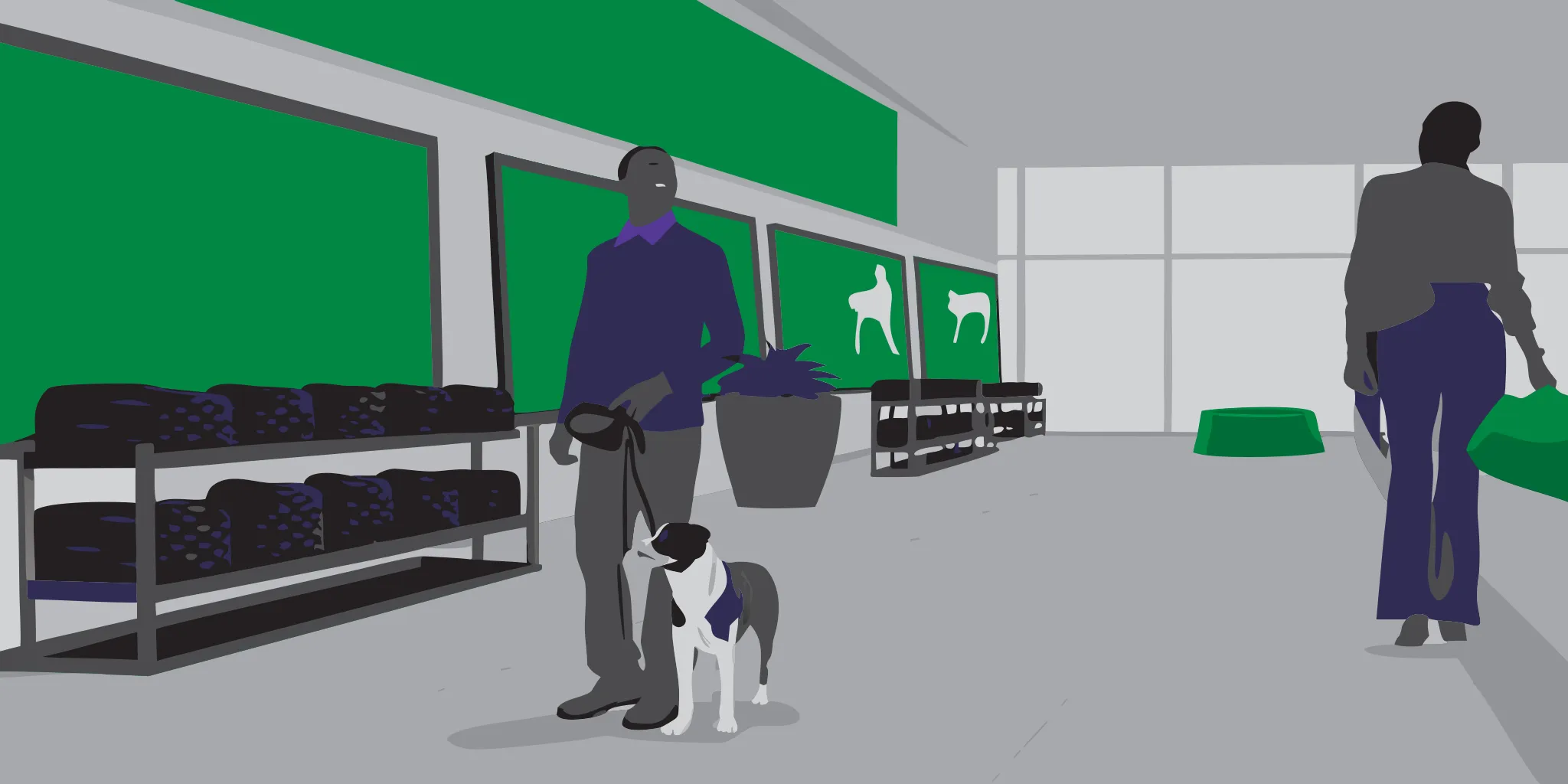
American pet owners spent over $158 billion on their animals in 2025. This massive spending creates a crowded market where digital ads often get lost. Brands need to reach these loyal customers where they are already shopping.
Pet Store Advertising: Reach Pet Owners In Venue
A pet owner comparing food, treats, or care services is already thinking about the animal they love. Pet store advertising puts a brand inside that focused moment, reaching motivated shoppers in physical venues where purchase decisions happen every day. Brands can use pet stores and doggy daycares to reach a captive, local audience while avoiding crowded digital channels. According to the American Pet Products Association, the US pet industry reached $158 billion in 2025. A well-planned place-based campaign turns that audience attention into a measurable media opportunity through relevant formats, precise venue selection, and proof-of-performance reporting.
Contact All Points Media to plan a custom pet store advertising campaign.
Modern marketers must find new ways to stand out in a world full of constant digital distractions and online noise. You need to understand Why pet store advertising reaches owners at the right moment to maximize your local campaign results and build brand loyalty. The path begins with
Why pet store advertising reaches owners at the right moment
The U.S. pet industry has grown into a massive market. Total spending reached $158 billion in 2025, which shows how much people care for their pets. In fact, 70 percent of U.S. homes had at least one pet as of 2022. This growth makes it hard for brands to stand out online. Digital ads often get lost in the noise, but pet store advertising works by reaching people in person. It puts your brand in front of customers when they are already thinking about their pets.
The power of the right setting
When owners walk into a pet shop, they have a clear goal. They are there to buy food, toys, or gear for their animals. This is a high-dwell spot where people spend time looking at products. They are not just browsing; they are in a buying mindset. Many people treat their pets like family. This deep bond makes them more likely to look at ads that offer helpful things for their pets. Insight-led ads in these spots help keep customers coming back to local shops.
Captive audiences and high dwell time
Place-based ads work best where people stay for a while. In pet stores and doggy daycares, the average view count can reach 18,000 every four weeks. This gives your brand many chances to be seen. Unlike a fast digital ad, a physical sign stays in one place. It catches the eye while an owner waits in line or drops off a pet. This type of reach lets you find pet owners right where they live and work. By using place-based media, you can find your audience in the real world instead of just on a screen. This approach is highly effective in other high-dwell environments; learn how coffee shop advertising leverages similar captive audience dynamics to boost brand recall.
Better targeting with local reach
Reaching pet owners in person is much more direct than broad media. You can pick exact spots like dog parks, vet offices, or local shops. This hyper-local way means less waste in your budget. You only show ads to people who likely own a pet. Many of these owners live in homes with a high income. Using a turnkey model for these ads makes the process simple. It handles everything from picking the right shop to setting up the signs. This way, you can focus on your brand while experts handle the work in the field.
Pet store ad formats brands can use
Pet care is a big market. In 2022, 70 percent of US homes had at least one pet. This fact comes from a Yale School of Management report. This growth makes pet store advertising a smart choice for brands. You can reach people who treat their pets like kids. Brands need to know which ads work best.
Pet store ads reach a high-value group. Most pet owners have a house income of 60,000 dollars or more. They are willing to spend on their pets. This makes pet-focused venue advertising a top pick for many brands. By using these ads, you put your brand in front of a captive group. This helps you win in a crowded market.
Physical signs in pet shops
Physical ads are a key part of any store plan. These include window wraps, aisle signs, and floor decals. You can place these ads near the front door or in the food aisle. They work well because pet owners spend time looking at goods. Many shoppers look to store staff for help. Seeing a clear sign can help them decide what to buy.
Brands can pet venue media options with large signs. These ads stay in place for weeks. They build trust with local shoppers. This type of media is great for a simple brand message. It works well for new dog food or pet toys. You can use these spots to show that your brand is a leader in the pet space.
Digital screens in high-dwell spots
Digital screens add a new feel to pet venues. You can find these screens in doggy daycares and groomers. These spots have high “dwell time.” This means pet owners stay there for a while. They wait to drop off or pick up their dogs. This is a great time to show a video ad.
A pet store digital advertising campaign can show ads that change. You can switch the message based on the time of day. For example, you might show a treat ad in the morning. Digital ads use motion to catch the eye. This helps your brand stand out in a busy shop. You can use these ads to tell a deep story about your products.
Choosing the right ad type
The best choice depends on your goals. Some brands want to build long-term trust. Others want to drive quick sales. Physical ads offer broad reach and stay in sight for a long time. Digital ads are better for short, punchy stories that can change fast. You can use both to cover all parts of the shop and reach your fans.
All Points Media offers a full plan for these ads. We handle the setup and the proof of work. This means you get a single point of truth for your local ads. You can reach pet owners where they live, work, and play. Our team makes it easy to manage ads across many shops at once. We take the stress out of out-of-home media.
| Ad Format | Best Location | Primary Goal | Dwell Time |
|---|---|---|---|
| Aisle Signs | Pet food section | Brand choice | Medium |
| Window Wraps | Store entrance | Store traffic | Low |
| Digital Screens | Check-in desk | Brand story | High |
| Floor Decals | Main walkways | Wayfinding | Low |
How do brands target the right pet owners?
Reaching pet parents takes more than a wide net. Since 70 percent of US households now have at least one pet, brands must be precise to stand out. Strong campaigns focus on where pet owners spend time with their animals. By using high-dwell spots, media buyers can reach a captive group that is already thinking about their pet’s needs.
Finding the right venue mix
The best way to reach this group is through local targeting in spots they visit often. This includes places like vet offices, dog parks, and local shops. When you in-store pet shopper advertising or daycares, you catch them during a focused trip or a routine care visit. These venues offer a natural fit for brands that sell food, toys, or health products.
All Points Media helps brands build custom networks based on these venue types. This turnkey model lets you scale a campaign across thousands of sites without the stress of managing many local vendors. You get steady coverage and proof that your ads are live in every spot.
Planning for geography and timing
Geography plays a big role in how pet owners shop. National brands often need to reach people in all 50 states, but they must still feel local. Planning your pet store advertising around specific regions or DMAs keeps your message in the right neighborhoods. Timing is also key, as seasonal shifts often drive new pet needs, from winter coats to summer flea care.
-
Pick your target regions and DMAs to make sure your ads reach the right local markets across the country.
-
Choose the best venue types, such as pet stores or vet clinics, where your audience spends the most time.
-
Build a custom network that fits your brand’s unique goals and reaches high-dwell areas where other ads cannot go.
-
Plan your message around seasonal trends or pet habits to boost interest and purchase intent.
-
Track your results through photo proof and reports to ensure every ad is seen as planned.
Aligning with audience behavior
Pet owners often treat their animals like family. This bond means they look for high-quality products and trusted advice. Ads that focus on specific perks, like no artificial ingredients, often see higher interest than generic claims. By placing these messages in trusted local venues, brands can build a strong bond with pet parents in their daily lives.
Creative strategies for memorable pet store ads
Pet owners do not just see their animals as pets. Many people treat their dogs and cats like family members or children. This bond is the heart of strong pet store advertising because it taps into deep feelings. Good ads focus on these close ties to catch the eye of busy shoppers.
Focus on the pet parent bond
To make an ad stand out, you must show that you know the owner’s life. People often treat their pets like children. This means they want the best for them. Use images and words that show this high level of care. Instead of just showing a product, show the joy and health it gives to the pet.
Ads that point to a clear perk work better than broad claims. For example, saying a food has “no artificial ingredients” gets more notice than saying it is “real food.” This type of clear. Honest talk builds trust with owners who worry about what their pets eat. It shows you care about the same things they do.
Keep your ad message simple
Good ads in pet stores should be easy to read at a glance. People are often moving fast or dropping off their dogs at daycare. They may only have a few seconds to see your message. Keep your text short and use bold fonts that stand out. One clear offer is always better than a list of many small parts.
Here are a few ways to keep your creative focused:
- Use high-quality photos of happy pets.
- Pick one main color that fits your brand.
- Write a headline with five words or less.
- Make your call to action stand out.
A strong call to act tells the reader exactly what to do next. You might ask them to talk to a staff member or scan a code for a deal. Store staff are a helpful resource for new pet parents. Your ad can help lead them from the sign to a sale.
Adapt your ads for the venue
Where you place your ad matters as much as what it says. An ad in a doggy daycare can be more fun than one in a vet’s office. Think about the mood of the owner in each spot. At a daycare, they might be in a rush. But at a pet store, they are looking for new things to buy.
You can reach pet owners in many spots beyond just the store shelf. Networks can cover over 50 types of places, like dog parks and vet clinics. This reach across the country helps you find the right person at the right time. When you place ads where pet parents spend time, your message becomes part of their day.
Top brands often use a pet store digital advertising campaign to reach people while they shop. Digital screens can change based on the time of day or store traffic.
You can also use tools like QR codes to track how well your ads work. These codes let shoppers visit your site or get a coupon right away. This adds value for the owner and gives you data on which spots get the most use. Using these tools helps you see the real impact of your spend. It also lets you know which styles get the best results for your brand.
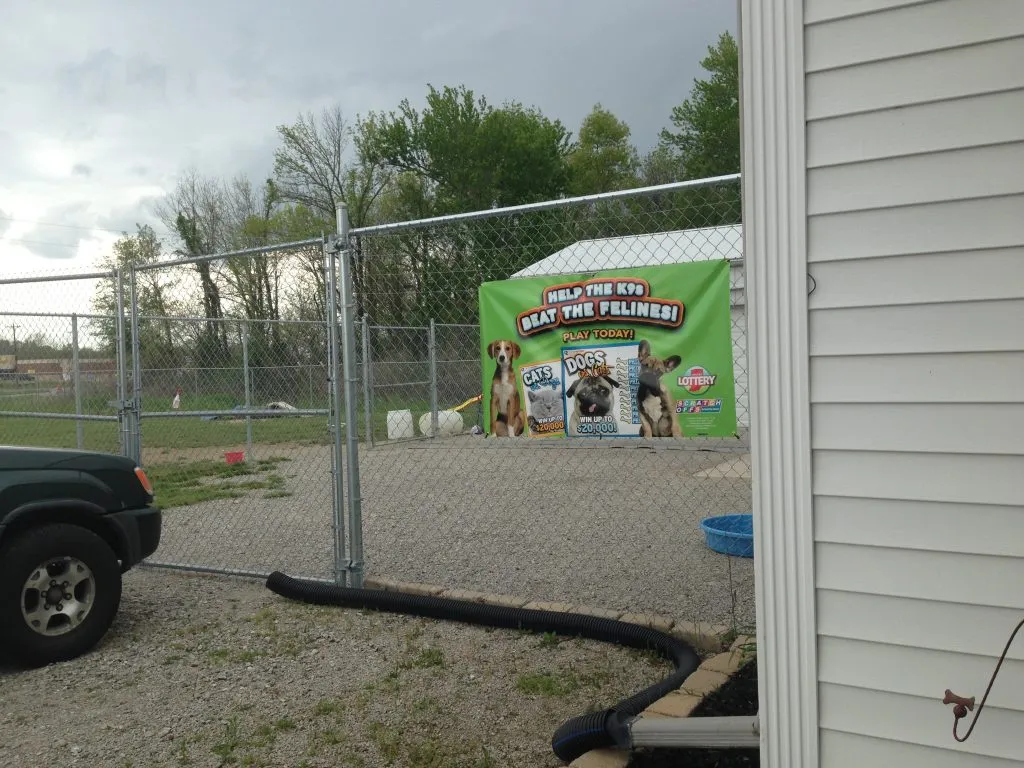
Talk with All Points Media about the right venue mix, formats, and markets for your campaign.
How is an in-venue pet campaign executed?
Running a campaign for pet store advertising takes careful planning from start to finish. It begins with a strategy to find the right spots for your ads. Most brands want to reach pet owners in busy spots where they already spend time. Research from Yale University shows that shoppers value in-store moments that delight their pets. By placing ads in these busy areas, brands can reach people when they are ready to buy.
Finding the right spots
The first step is picking the best spots for your brand. You should look for venues where pet owners spend a lot of time. This might include pet stores, doggy daycares, or even vet offices. A good plan will use data to target specific areas where your audience lives and works. This local focus helps brands connect with people in their own towns. You can local pet-owner outreach with ads that speak to their needs at the right time.
Choosing sites also involves checking the venue type. Some brands focus on high-end doggy daycares, while others prefer large retail chains. It is important to ask for a network that matches your target buyers. You want your message to appear in places where shoppers feel relaxed and focused on their pets. This type of venue choice ensures your ad spend goes toward the most relevant group of people.
Making and setting up ads
Once you pick the sites, the next phase is making the ads and setting them up. You need to make sure the ads look great and fit the space. A full-service partner handles all the printing and ships the ads to venues across the country. This removes the stress of managing many small shops at once. Large campaigns often cover hundreds of cities, so one point of contact is helpful for keeping things on track.
Teams then go to each site to put the ads in place. They check that every poster or digital screen is in the best possible spot. This helps ensure your message is clear and stays up for the full length of the campaign. Pro setup also prevents damage to the ads from foot traffic or weather. By having a skilled team handle the work, you can be sure your brand looks its best in every spot.
Checking results and proof
A good campaign needs clear proof that it worked. Brands should look for full photo records for every site. This shows that your ads were placed correctly and stayed in good shape during the run. It gives you peace of mind that your spend was used as planned. Seeing the ads in real-world settings also helps you see how people use your brand in person.
Many brands also use a pet store digital advertising campaign to track more data in real-time. This helps you see how well the ads work and gives you the facts needed for future planning. You can see which venues had the most dwell time or where people joined in most with the content. High-quality reporting makes it easy to share results with your team and plan for the next big project.
What should proof of performance include?
Trust starts with seeing your work in the real world. Every out-of-home plan needs to show that your ads are live and in the right spots. It is a key part of any plan to pet-store campaign placements. Proof of performance tells you if your campaign hit the mark. It links your spend to results you can track.
Visual proof of placement
Every campaign needs to show that the ads really went up. For pet store advertising, this means getting clear photos of your brand in the shops you picked. You should get a full photo report that shows each ad in its spot. This includes ads at checkout lines, on entry doors, or near pet wash stations. Seeing the ads in place gives you peace of mind that your budget is working hard.
A good report also lists the dates and spots for every ad. It should show that the ads are clean, well-lit, and easy to see. This level of detail is vital for local reach. When you can see your brand in a busy shop, you know you are reaching pet parents during their day. High-quality photos help you check that the work meets your standards. It also makes it easy to share the win with your own team.
Tracking engagement and reach
Photos prove that the ads are there, but data shows if they work. You should look for reports that track how people act when they see your brand. Many brands now use QR codes or unique web links on their ads. These tools let you see scans and clicks in real time. This data tells you which shops or towns are most keen on your offer. It helps you see the direct link between your ad and a customer action.
The scale of the pet market makes this tracking even more vital. About 70 percent of US homes now have at least one pet, according to the Yale School of Management. With so much growth, you need to know your ads are hitting the mark. A full report should also judge your total impressions. This tells you how many times people likely saw your message during the campaign flight. This full view helps you plan your next move with trust.
Judging results against goals
The last part of proof of performance is checking your goals. You must know if the campaign did what you wanted it to do. Did you want more people to know your brand name? Or did you want to sell a specific new dog food? Your report should help you answer these questions. It should group the data so you can see the big picture of your success.
Compare your scan rates and reach to your first plans. If one shop type did better than others, use that fact to plan your next buy. Good campaign management means using these facts to get better. This helps you spend your marketing funds in the best way. Clear proof of performance lets you grow your brand with less risk.
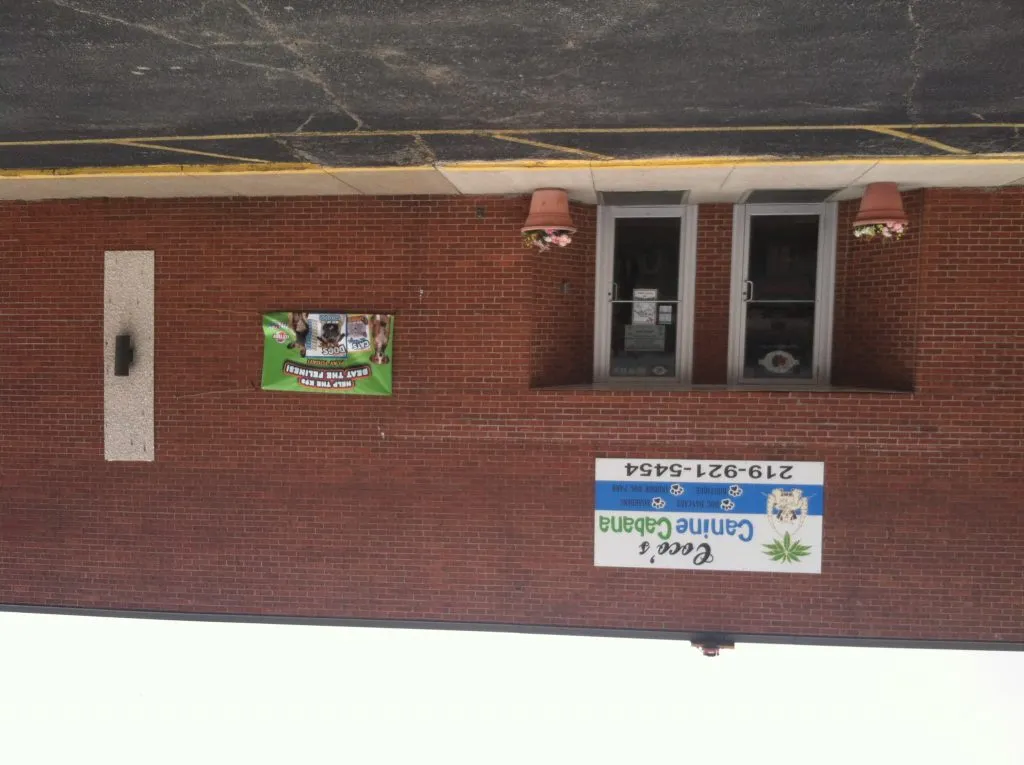
Pet stores and doggy daycares in one media plan
A smart plan for pet brands uses both retail and service spots. Pet stores and doggy daycares reach the same people but at other times. By mixing these spots, brands can stay in front of pet owners all day. This plan helps you reach people where they live, work, and play.
Comparing dwell time and shopper intent
Pet stores are places where people go to buy things now. Shoppers in these stores are in a buying mood. They look for food, toys, and gear for their furry friends. Research from Yale shows that 70 percent of US households had at least one pet in 2022. This high rate makes pet stores a key spot for ads.
Doggy daycares offer a new vibe. People visit these spots as part of a daily habit. They drop off and pick up their dogs every day. This creates high dwell time. While the person is not in a store, they are thinking about their pet. Ads here build trust because they appear in a place that cares for their dog.
Both spots offer high reach. On average, these places provide over 18,000 views every four weeks. You can advertising in pet retail environments and daycares to keep your brand in mind. Using both helps you cover more ground.
Creative ideas for each venue
Your ad message should match the place. In a pet store, focus on product facts. For example, ads that say a product has “no artificial ingredients” work very well. This talk often beats basic terms like “real food.” Use clear, bold text that shoppers can read as they walk. Highlight special deals to drive sales at the shelf.
In a doggy daycare, try a softer tone. Since pet owners often treat pets like their own children, use ads that feel warm and kind. You might show how your brand helps a dog stay happy and fit during the day. Since people visit daycares often, you can use a set of ads to tell a story over time.
Building a balanced pet store advertising campaign
To build a great pet store advertising plan, look at the whole path to a sale. Use pet stores to drive quick sales. Use daycares to build long-term brand love. Mixing these venues gives you a full-service way to reach people. This mix makes sure your brand is seen during both daily tasks and shopping trips.
A turnkey model makes this easy to run. You can set up a plan that covers many cities at once. This includes picking venues, print work, and proof of setup. By using a single partner, you keep your work simple and strong across the whole country.
Frequently Asked Questions
How can place-based advertising reach pet owners?
Place-based ads reach pet owners by showing your message in the spots they visit most often. This includes local pet stores, dog parks, and doggy daycares where owners spend a lot of time. This method puts your ad in front of a captive group during moments that matter. According to All Points Media, these high-dwell areas allow for better local targeting. Brands can reach people where they live, work, and play with their pets.
Why is pet store advertising effective for brands?
Pet store ads work very well because the pet industry is growing at a fast rate. The APPA reports that U.S. pet spending reached 158 billion dollars in 2025. Most pet owners treat their animals like family members or even like their own children. Showing ads in retail spaces helps brands use this strong bond to drive more sales. It also reaches shoppers who are already in a mood to buy new pet goods.
How do you measure the success of pet store advertising?
Tracking success involves watching ad placement and how it helps your pet brand grow over time. A turnkey partner like All Points Media provides full reports for every local ad campaign. This includes 100 percent photo proof of all ad installs across the large venue network. Brands can also watch sales lift in local zip codes or track new web traffic. These facts show if the ads reach the right people in high-dwell retail zones.
Ready to plan a pet store advertising campaign?
If you wait to start your ads, you miss out on thousands of pet owners who are making buying choices in local shops and daycares every month. By setting up your plan today, you can claim the best spots in high-traffic pet stores before your rivals have a chance to take them. You will get clear proof of your results while our expert team handles all the hard work to reach your target shoppers across the country.
Ready to plan a pet store advertising campaign? Call (503) 270-5524 to talk to a media expert about building a custom network that puts your brand in front of pet owners where they live, work, and play.