
Public community centers can welcome a steady stream of local residents, putting brands close to families during the routines that shape neighborhood life. Recreation center advertising earns attention during longer visits, from swim lessons to league games, when parents and participants have time to notice a useful message.
Request a recreation center advertising plan for a national, regional, or local campaign.
Recreation center advertising places brand messages inside trusted community hubs such as gyms, pools, and sports courts where local families gather. Media buyers can select digital screens, banners, and other placements based on audience fit, dwell time, season, and campaign goals. A coordinated plan helps brands stay visible in specific communities while supporting a broader place-based media strategy. This synergy is particularly effective when combining community centers with other daily touchpoints, such as coffee shop advertising campaigns that reach residents during their morning routines.
Media buyers need more than access to a venue. They need the right center mix, placement strategy, creative, timing, and measurement plan. This guide explains how recreation center advertising reaches families locally and how to build a campaign around real buyer objectives.
Why recreation center advertising reaches families locally
Recreation centers are more than just places to work out. They are community hubs where families spend hours each week. For brands, recreation center advertising offers a way to connect with people in a space they trust. These venues attract a large and varied group, from kids in sports leagues to seniors in fitness classes.
High traffic and member loyalty
Local centers see a lot of foot traffic every day. Some busy sites host more than 1,500 visitors daily. This steady stream of people gives a brand many chances to be seen. Many of these visitors are also members who come back often. One center reports having over 11,000 active members who use the space often.
When people visit these hubs, they stay for a long time. Families might spend a whole morning at the pool or a few hours at a sports game. This long dwell time means they have more time to notice and read your ads. It is a deep level of bond that goes beyond a quick look at a street sign.
Diverse spaces for every age
A single recreation complex can house many zones. You might find ice rinks, courts, pools, and meeting rooms all in one place. Large centers can attract over 6 million visits per year across these areas. This range allows brands to reach many age groups and interests in one spot.
These centers are often city owned, which helps build trust with the area. People feel good about helping local programs and the firms that help fund them. In some cases, giving to a city facility may even count as a tax gift. This creates a strong bond between the local brand and the neighborhood it serves.
Which recreation center placements earn attention?
Recreation centers have many spots to show your brand. Media buyers look for areas where people stay for a long time. These dwell zones give users more time to see and think about an ad. Picking the right spot depends on who you want to reach. You can use place-based media to target people when they are relaxed and ready to engage. This helps you reach a local audience in a place they trust.
A good plan uses different spots to reach different goals. Some spots are best for reaching many people quickly. Other spots work better for building a deep bond with a specific group. Most centers offer a mix of signs, screens, and print ads. By choosing the right mix, you can make sure your message stands out in a busy center.
High-traffic lobbies and entry points
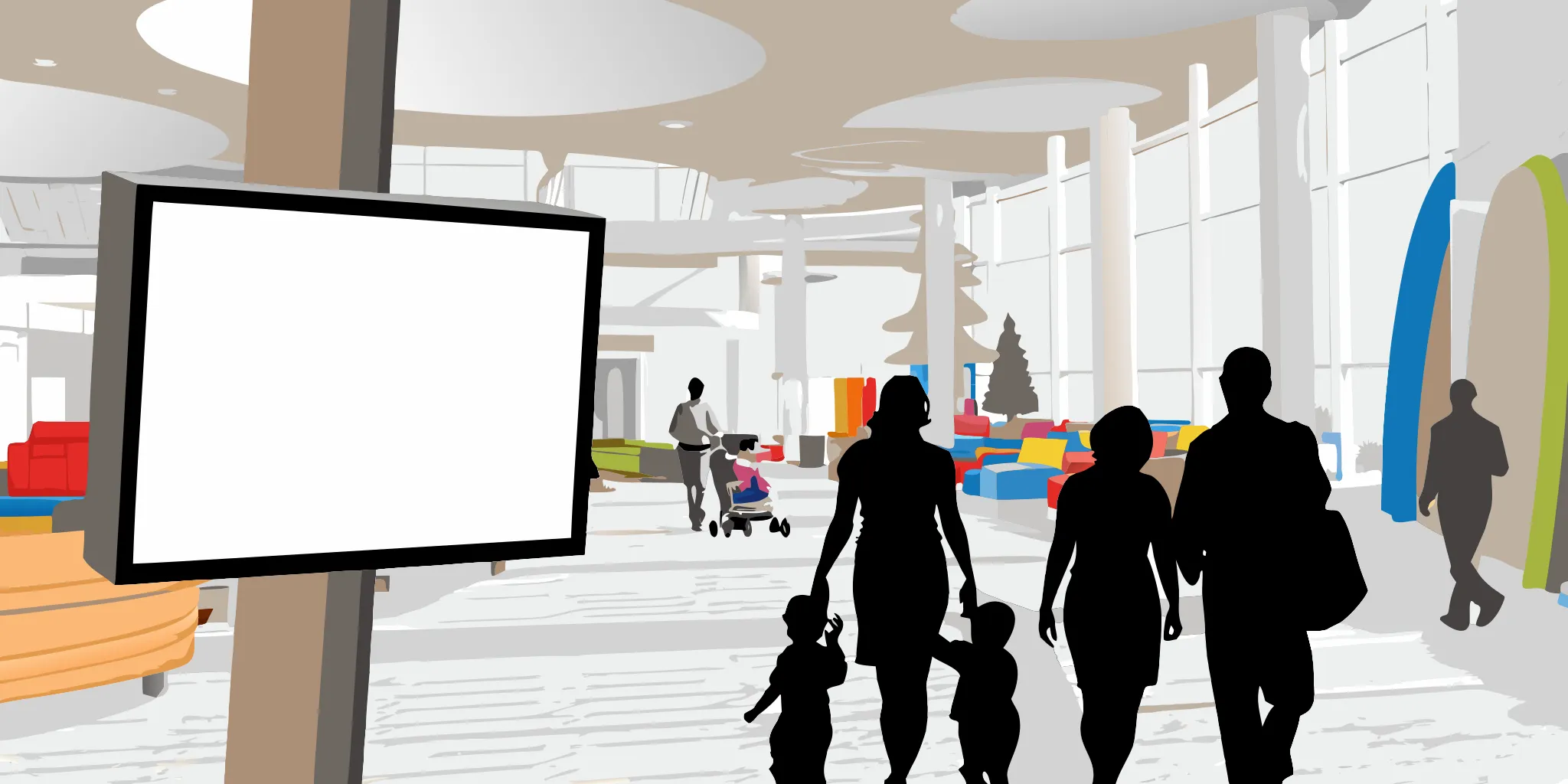
The lobby is the main hub of any center. Every person must pass through the doors to get inside. Some facilities see more than 1,500 visitors every day as seen in city records. This makes the front entry a top choice for reaching a large group. Lobbies often have desks, chairs, and screens where people wait for classes to start. This area is a great spot for high-impact signs that everyone will see.
These entry areas work well for quick messages. People see your ad as they walk in or out. Digital screens in these spots often catch the eye and keep people looking. You can also use booths or signs near the front desk. This helps you reach local families and the thousands of active members who visit the center often. Using these spots ensures that your brand is the first thing people see when they arrive.
Activity zones and viewing areas
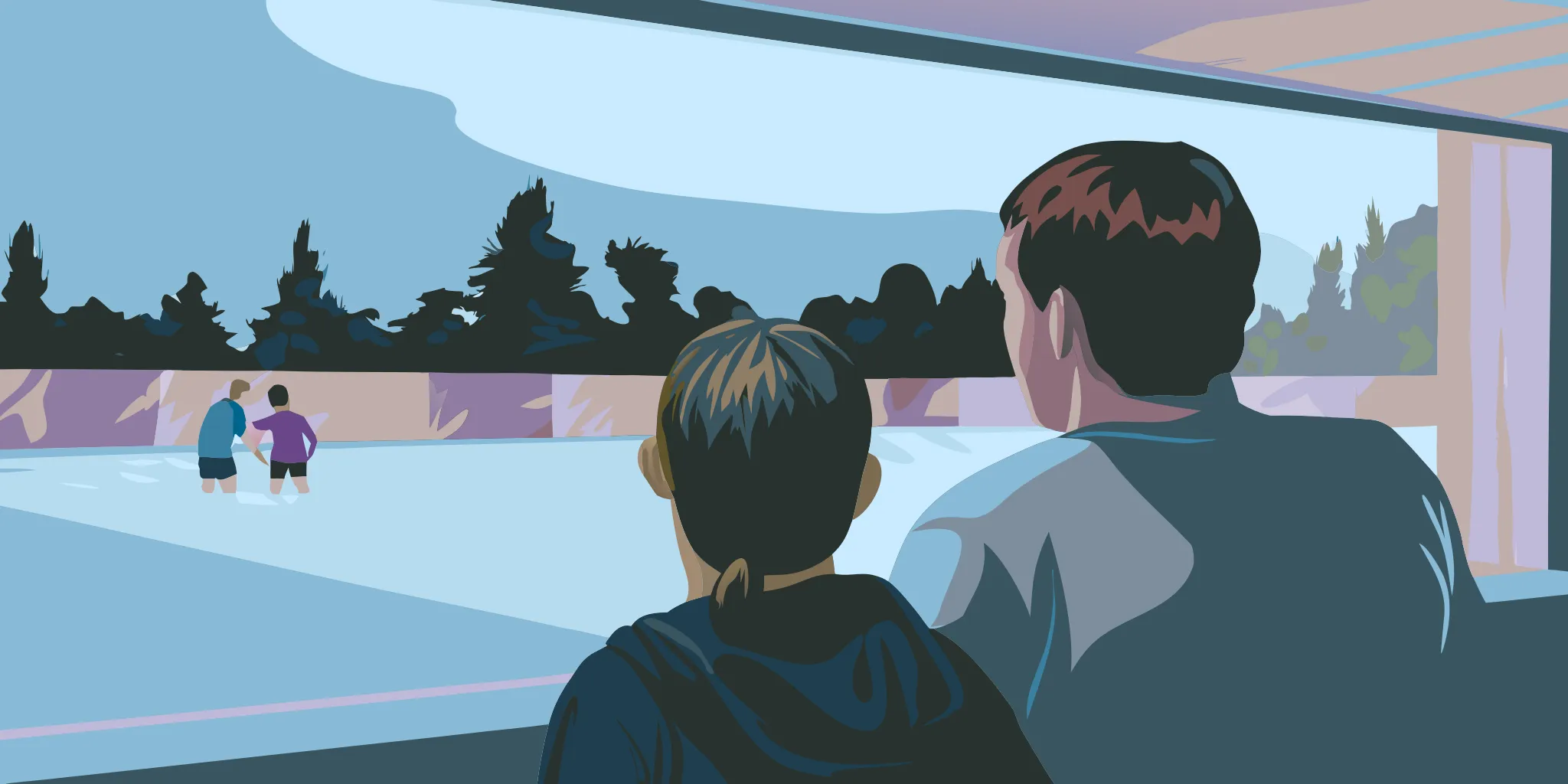
Activity zones like gyms or pool areas help you reach specific groups. For example, parents often sit in viewing areas while their kids swim or play ball. These spots have long dwell times of one to three hours. This gives people plenty of time to read your full message. It is a great way to build trust with local families who spend hours at the center each week. These parents are often the ones who make the buying choices for their homes.
Hallways that lead to locker rooms are also good spots. These paths are known as bottlenecks because traffic slows down there. People move through these narrow areas at a steady pace. Placing signs at eye level in these halls ensures that most members will see them. You can also place ads in rooms where people take fitness classes or attend meetings. These spots allow you to reach people while they are focused on their health and wellness.
Specialized sports and program rooms
Many large centers include spots for specific sports like ice rinks or turf fields. These areas draw unique crowds such as youth hockey teams or local leagues. People often visit these spots once or twice a week for many months. This repeat visit helps people remember your brand over time. These facilities often host over 500,000 spectators and athletes every year. This high traffic makes these zones very useful for local businesses.
Some programs also offer digital brochures that get over 10,000 unique views online. Using both physical and digital spots can help your message reach even more people. You can also use printed brochures that people take home. These brochures often stay in a house for three to five months. This long shelf life gives your brand more time to make an impact. Mixing these tools helps you stay in front of your audience for a long time.
| Placement Type | Main Audience | Best Benefit |
|---|---|---|
| Lobby | All visitors | High foot traffic |
| Gymnasiums | Athletes and families | Repeat exposure |
| Pool Areas | Parents and youth | Long dwell times |
| Hallways | All members | Eye-level views |
| Ice Arenas | Sports fans and teams | Targeted crowds |
How to plan a hyperlocal recreation center campaign
Planning a campaign at a local hub needs a clear path to reach the right people. These centers are busy spots where people spend a lot of time. Some spots see over 1,500 daily visitors to their facility. A good plan helps you use this foot traffic to grow your brand. You must look at who is there and what they do to make your ads work well.
Find your local audience
The first step is to know who uses the center. Many spots have a huge base of members. For example, some hubs have more than 11,000 active members who visit often. You can find groups like parents, seniors, or athletes based on the rooms in the building. A center with a pool will draw families, while an ice rink draws hockey fans. Check the center’s schedule to see when your target group will be there.
Pick the right ad spots
Next, you must choose where to put your ads. Many centers offer digital screens in high-dwell areas like lobbies or snack bars. These screens catch the eye of people while they wait. You can also use print ads in program books. These books often have a long shelf life of three to five months. This gives your brand a way to stay in front of people at home too.
- Set your goals. Decide if you want more store visits or just to let people know your name.
- Map the center. Find where people walk most, like the front desk or the gym entrance.
- Choose your media. Pick between banners, booth space, or digital screen ads.
- Create your art. Use big fonts and bright colors so people can read your ad from far away.
- Set a timeline. Time your campaign to match big events or the start of a sports season.
- Measure the wins. Use a code or a special link to track how many people respond to your ad.
Build a community bond
Recreation center advertising is more than just a sign on a wall. It is a way to show you care about the local area. Many centers host over 6 million visits each year across their programs. By being there, you become a part of the daily life of these people. This trust can lead to better results for your business over time.
When should brands run recreation center campaigns?
Timing is a key part of any local ad plan. Public hubs stay busy all year, but traffic peaks during certain months. Some large sites host more than 1,500 guests every day. Brands should look at the local schedule to find the best times to reach their group. Whether you want to talk to parents or seniors, your timing must match when they are most active in the building.
School breaks and summer events
Summer is a top time for family ads. When school lets out, kids flock to these centers for day camps and pool time. This is a great chance to use recreation center advertising to reach parents who are picking up and dropping off their children. These guests spend a lot of time in common spots. This makes it easy for them to see your message on screens or posters.
Winter break and spring break also bring in big crowds. During these weeks, centers often host special events and open gym times. Groups look for indoor ways to stay busy when the weather is bad. This steady flow of people creates a high-dwell space where your brand can stand out. You can learn more about how these spots work by looking at our guide to recreation center media.
League sign-ups and sports seasons
Many people visit these sites for team sports. These sites often have ice rinks, sports courts, and turf fields. Each sport has its own peak season that brings in a certain group of people. For example, youth basketball leagues may run through the winter, while swim teams are active in the summer. If your brand wants to reach athletes or their fans, you should align your ads with these league schedules.
Sign-up times are also vital. Parents often visit the center or its website months before a season starts to sign up their kids. This is the best time to get your name in front of them. Since these guests are making plans for the future, they are more likely to remember a helpful brand. Reaching them early helps you build trust before the busy season even begins.
Lead times and long-term planning
Planning ahead is the best way to get the top spots. Some ads, like those in printed guides, need a lot of lead time. These guides often have a long shelf life of three to five months. This means you need to book your space well before the season starts. If you wait too long, you might miss out on the top spots.
Screen ads and on-site booths offer more flex. These formats can often be set up faster than print media. But even with screen ads, you should plan at least a few weeks out to ensure your creative is ready. Most brands find success by booking their recreation center advertising at least one quarter in advance. This gives you time to pick the right sites and fix your message for the local area.
Creative best practices for family-focused campaigns
Recreation center advertising offers a clear way to reach families where they spend their free time. These hubs are busy spots that draw many people each year. Good ads use clear art and short text to catch the eye of busy parents and kids. You should focus on making your brand feel like a helpful part of their local area.
Design for high-dwell spaces
Many recreation areas have spots where people stay for a long time. Digital screens and Rec TVs are often placed in halls or near snack bars to reach these groups. You can use these screens to show moving ads that tell a story or show a local deal.
Since some recreation facility networks see over 6 million visits a year, your art must be sharp and bold. Do not use small fonts that are hard to read from a distance.
Paper ads still work well in these spaces too. Program books are great because they often stay in a home for 3 to 5 months. This long life means people see your message many times.
Use high-quality photos that show happy, active people to match the mood of the center. Keeping your colors bright and clean will help your ad stand out against the busy gym or pool area.
Local ads for local hubs
Families trust their local centers, so your ads should feel local too. You can use town names or local sports teams in your copy. This builds a bond with the reader and shows you care about their area.
Large centers often have over 1,500 daily visitors, making them key spots for local reach. Showing that you support the area can turn a simple ad into a lasting link.
- Use photos of local views to build trust.
- Name local events that your brand helps with.
- Match your deals with the sports at the center, like summer camps or winter games.
Simple calls to action for busy families
Parents at recreation centers are usually on the move. Your call to action (CTA) must be quick to see and easy to follow. A QR code works well for digital or paper ads.
It lets people visit your site without having to type a long link. Make sure the link goes to a mobile-friendly page where they can act fast. This is a key part of alternative place-based media plans.
You should also give a clear reason for the reader to act now. This could be a special deal for center members or a free trial. Since some centers have more than 11,000 active members, a good offer can drive a lot of new sales.
Keep the steps simple so a parent with a gym bag can finish the task in seconds. A good CTA is the bridge between a view and a sale.
For adjacent audience strategies, compare how brands reach parents through daycare advertising, engage community visitors with library advertising, and connect with older adults through senior center advertising.
Frequently Asked Questions
How many people visit local recreation centers daily?
Public recreation centers serve as high-traffic hubs for the local area. Many large facilities host more than 1,500 visitors every day. According to city records from Livonia, these centers also maintain large membership bases with over 11,000 active members. This steady flow of guests provides a consistent and loyal audience for brands that choose to use on-site advertising displays.
Are recreation center ad contributions tax deductible?
When you place ads in municipally owned buildings, your payments might be seen as a community gift. According to data from the HYCC, contributions to these public facilities are often eligible to be tax deductible donations. Brands should check with a tax expert to see if their local ad spend qualifies. This setup allows firms to reach local families while supporting the community hubs they use.
How long do recreation center print ads remain effective?
Printed advertising materials in community hubs offer a much longer life than many other local media types. Program brochures often have a shelf life of three to five months, depending on the specific issue date. Data from James City County shows that these booklets stay in local homes for several months. This long duration gives your brand message many chances to be seen by parents and local residents.
What types of digital ads are available in recreation centers?
Modern community centers offer several digital paths to reach guests in high-dwell areas. Many sites now use REC TVs and digital screens in lobbies, gyms, and snack bars to catch the eye of visitors. These screens can reach a massive audience, with some regional networks seeing over 6 million visits per year. These digital spots are perfect for showing bold visuals to people who spend one to three hours per visit.
Ready to plan your recreation center campaign?
Your brand loses ground every day it stays out of the local community centers where families spend their time. While your rivals wait for digital ads to work, you can reach parents and kids when they are most likely to notice. Starting your push now makes sure you claim the best spots before they fill up for the next season. You gain a head start on local trust and keep your message top of mind for months at a time. If you wait, you risk missing the next peak sign up period when foot traffic is at its highest point. Acting now means your message will be there when people are looking for ways to stay active and engaged.
Ready to book your spot? Contact our team to plan a national, regional, or local recreation center advertising campaign today.